

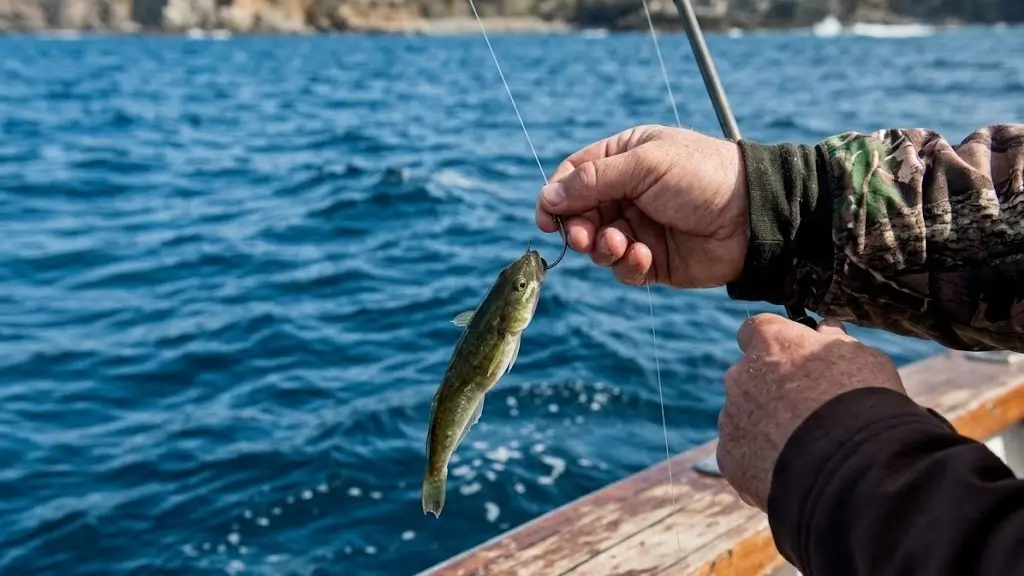
Preparing effective live bait for offshore trolling requires a comprehensive, step-by-step approach. Proper live bait for offshore trolling ensures natural swimming action and maximum durability.
+-------------------------------------------------------------+
|               OFFSHORE LIVE BAIT RIGGING HOW-TO             |
+-------------------------------------------------------------+
| Step 1: Prep    │ Crack spine (S-curve) & remove eyes/stomach |
| Step 2: Rig     │ Insert pin rig/circle hook & wire jaws     |
| Step 3: Protect │ Add wire stinger hook & head skirt          |
| Step 4: Control │ Add chin weight + planer/downrigger        |
| Step 5: Preserve│ Brine in ice salt water + baking soda       |
+-------------------------------------------------------------+
Hardware Gear
Preparation and Setup Matrix
Mastering live bait for offshore trolling requires robust hardware. Since your boat must be equipped with heavy-duty trolling reels paired with a reliable Gomexus power knob for superior cranking torque, exploring our detailed Offshore Trolling Gear Setup is essential before deploying your live bait for offshore trolling gear.
Action & Balance
Avoiding the Rotation of Live Bait for Offshore Trolling
The Cause: The ballyhoo rotates in the waters because the backbone is stiff, the hook is not placed correctly, or its mouth is not fully closed. Such rotating bait is going to twist the whole fishing line and repel target pelagics during live bait for offshore trolling spreads.
Best Rigging Practices for Natural Baits
The Solution:
- Break the Backbone: You should gently press at the ballyhoo’s lateral line from the rear of the fish towards the tail until you can hear the bone cracking. This allows the live bait for offshore trolling to swim naturally in S-curves.
- Eviscerate and Prepare: You should remove the eyes and squeeze out the stomach contents in order to reduce drag on your live bait for offshore trolling setup.
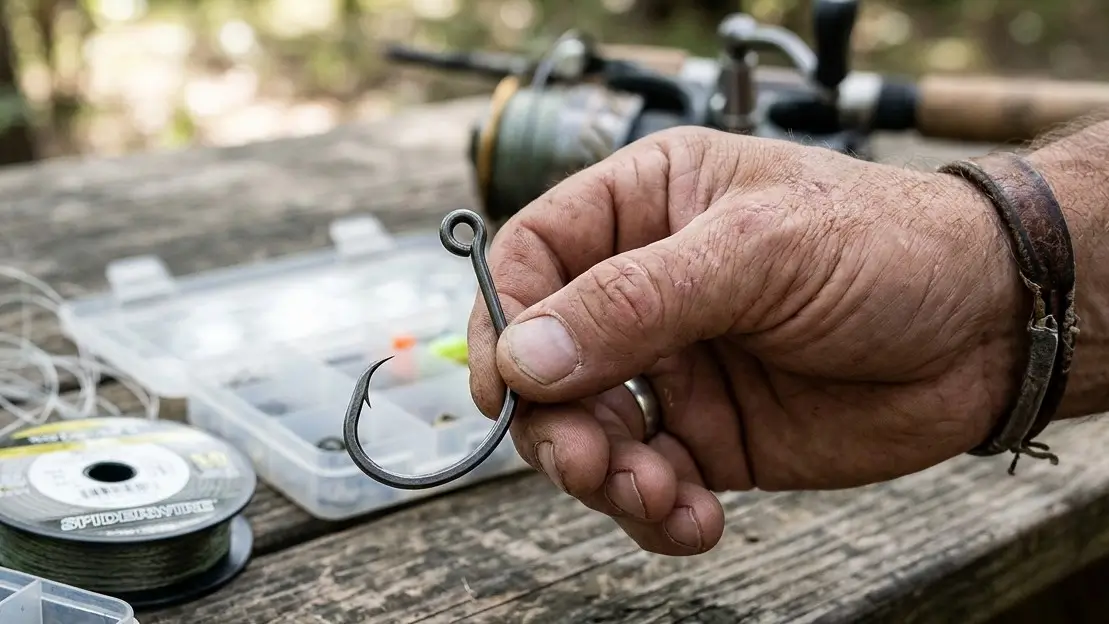
- Use a Pin Rig: Insert a J-hook or circle hook from the middle line on the belly of the bait and make sure that the pin goes through both jaws and wrap its beak in the copper wire to optimize your live bait for offshore trolling presentation.
Bite Protection
Preventing Short Attack on Trolling Baits
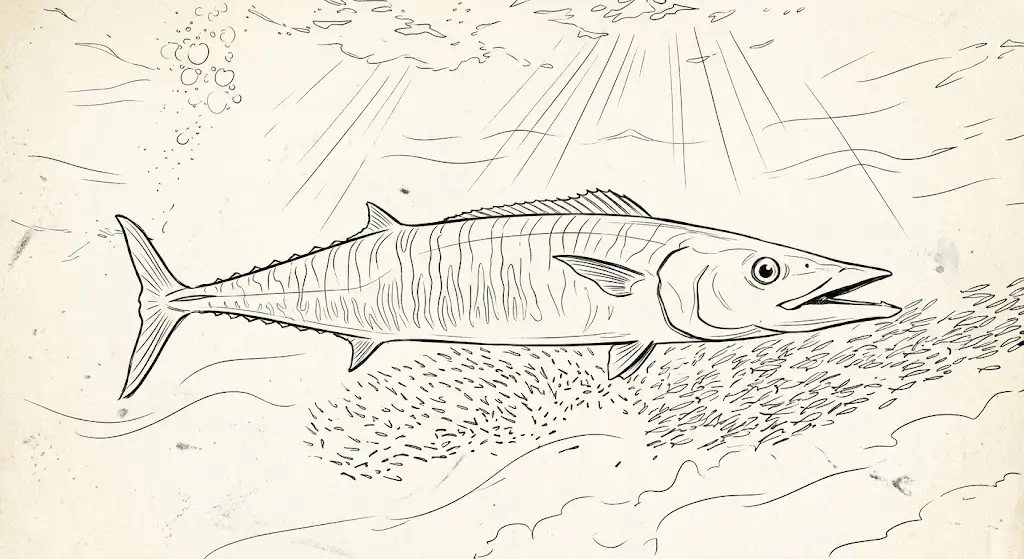
The Cause: Predators like wahoo will make their first attack on the ballyhoo at the end or middle of the bait, so it will be sliced without having the head hooked when pulling live bait for offshore trolling.
Stinger Configurations for Toothy Species
The Solution:
- Set Up Stinger Hooks: You need to rig the secondary stinger hook that would be located on the last third of the bait and made of either stranded or single-strand stainless wire for successful live bait for offshore trolling.
- Add Head Skirt: Squeeze the nose of the ballyhoo under the skirt of the Ilander or jet-style lure so that the bait is partially protected from water pressure while hiding the connection with the leader.
Spread Control
Depth and Speed Control of Offshore Trolling Baits
The Cause: Above the speed of 6 knots, bare baits go to the surface, skip and wash out instead of swimming at the depth of the strike zone during your spread run.
Speed Management for Deep Spread Presentation
The Solution:
- Use Chin Weights: You need to fix an egg sinker at the ballyhoo’s throat under a wire wrap in order for it not to go too far and be deeply submerged in the water.
- Planer and Downrigger: In deep-water spreads, place the bait behind a #3 to #8 planer or a downrigger sinker to keep your live bait for offshore trolling 20 to 50 feet deep.
Bait Preservation
Improving Natural Bait Resistance and Durability
The Cause: Soft or thawed ballyhoo becomes soft and tears apart within 15 to 20 minutes of being immersed in sea waters while running offshore trolling spreads.
Durability Enhancement Techniques
The Solution:
- Brining Technique: You need to dip ballyhoo into a mixture of cold water, sea salt and baking soda overnight, since this would draw excess water out from the meat to prepare durably rigged live bait for offshore trolling.
Data Sheet
Recommended Rigging Standards for Offshore Baits
| Parameter / Setup | Standard Specification | Technical Purpose |
|---|---|---|
| Standard Trolling Speed | 4.0 to 7.0 Knots | Ideal for bare ballyhoo, pin rigs and skipping bait setups when running live bait for offshore trolling. |
| Skirted / Weighted Speed | 7.0 to 10.0 Knots | Ideal when using chin weights and jet skirt overlays for live bait for offshore trolling. |
| Chin Weight Range | 1/4 oz to 1 oz | 3/8 oz for 4 to 6 knots; 1/2 oz for high trolling speed. |
| Leader Line Material | Mono: 80 lb to 130 lb / Wire: #7 to #9 | Monofilament for billfish and mahi-mahi; AFW wire for toothy wahoo rigging. |