Blog
-
05/21/2026Why the Silver King Rules the Atlantic Flats
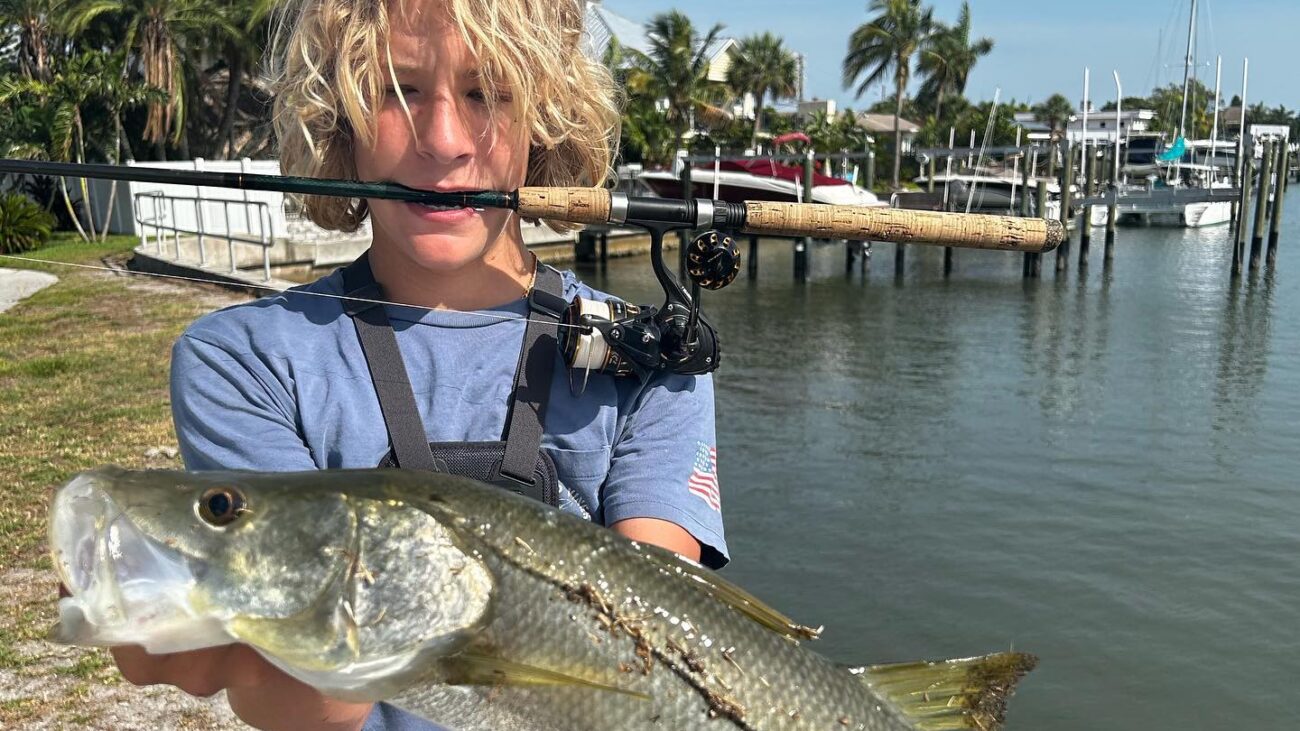
It is no surprise that the Tarpon (Megalops atlanticus) sits at the absolute top of the global angling bucket list. Known reverently as the Silver King, this prehistoric powerhouse checks every single box for a world-class saltwater gamefish: raw explosive power, relentless stamina, and weights that routinely top the 100-pound (45 kg) mark.
Their most iconic—and heartbreaking—attribute is their propensity for violent, acrobatic leaps. Watching a six-foot (2 m) slab of chrome-clad muscle twisting and contorting in mid-air is a spectacle no angler ever forgets. Over half of the IGFA world-record Tarpon have been pulled from Florida’s 1,350 miles of fertile coastline, where professional guides dial in on complex tides and moon phases to intercept these monsters.

The Tactical Playbook: Surviving the Leap
Successfully jumping a Tarpon requires a high-stakes blend of heavy tackle and flawless technique. A standardized tarpon setup consists of a medium-heavy to extra-heavy spinning rod paired with a high-capacity saltwater spinning reel loaded with at least 250 yards of 50 to 60-pound braided line.
The absolute critical moment happens the second the Silver King takes flight. Their violent, airborne head-shakes create immense kinetic energy that can instantly snap tight lines or throw heavy hooks.
To survive the jump, you must implement the legendary “Bow to the King” technique:
- The Launch: The instant the fish breaches the surface, thrust your rod forward toward the fish to throw maximum slack into your line.
- The Slap: Let the fish crash back into the water against a limp line, preventing the line from snapping under the fish's own falling weight.
- The Re-engagement: The millisecond the fish is submerged, reel down aggressively to clear the slack and resume the drag battle.

Upgrading Your Cranking Leverage for the Heavy Grind
If you survive the initial aerial assault, the true test of endurance begins. Tarpon possess deep oxygen reserves, turning fights into grueling, hour-long tug-of-wars. In these brutal wars of attrition, massive lactic acid buildup will set into your cranking arm.
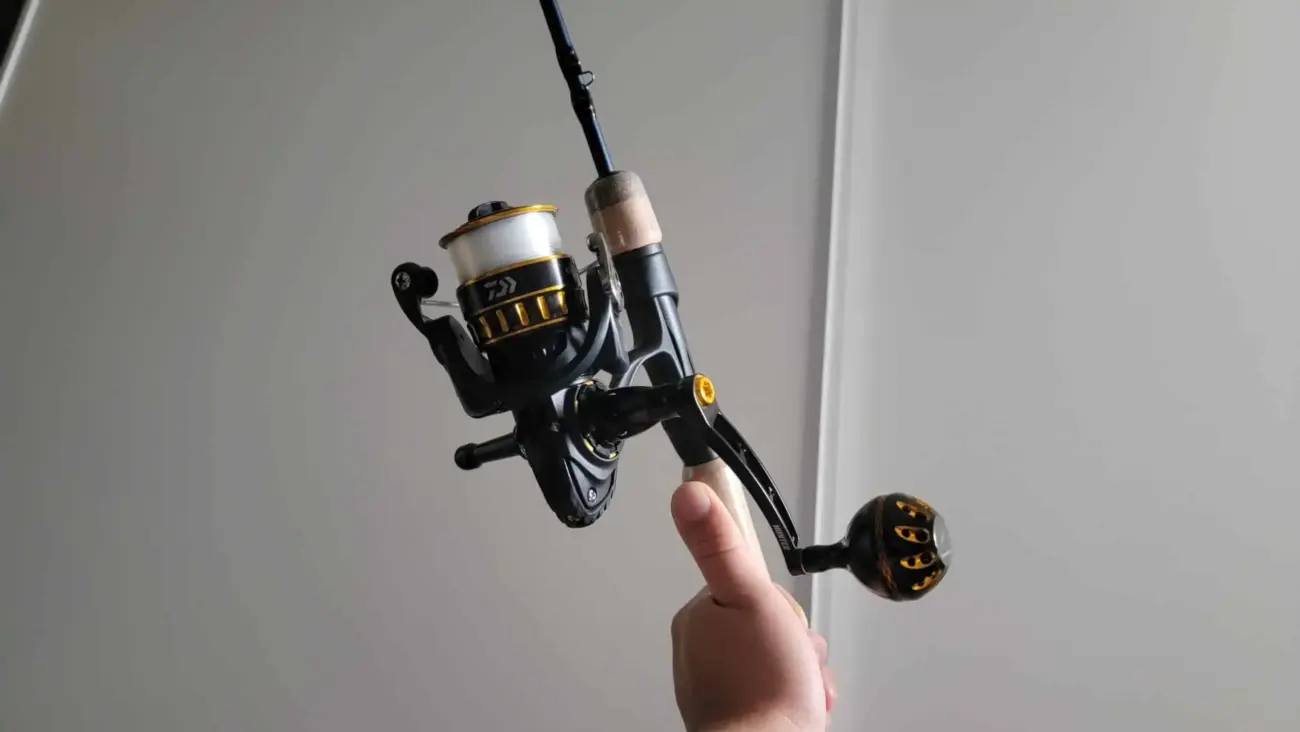
Standard factory reel handles (often small T-knobs or slick oval grips) are highly prone to slipping when covered in saltwater, sweat, and slime. Furthermore, they fail to provide the necessary rotational leverage required to turn the head of a hundred-pound fish against a locked drag.
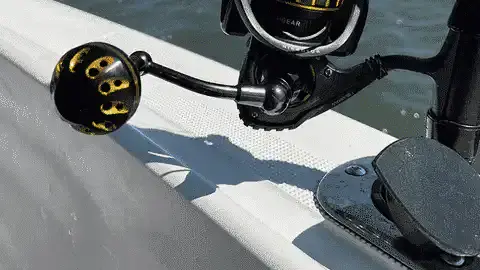
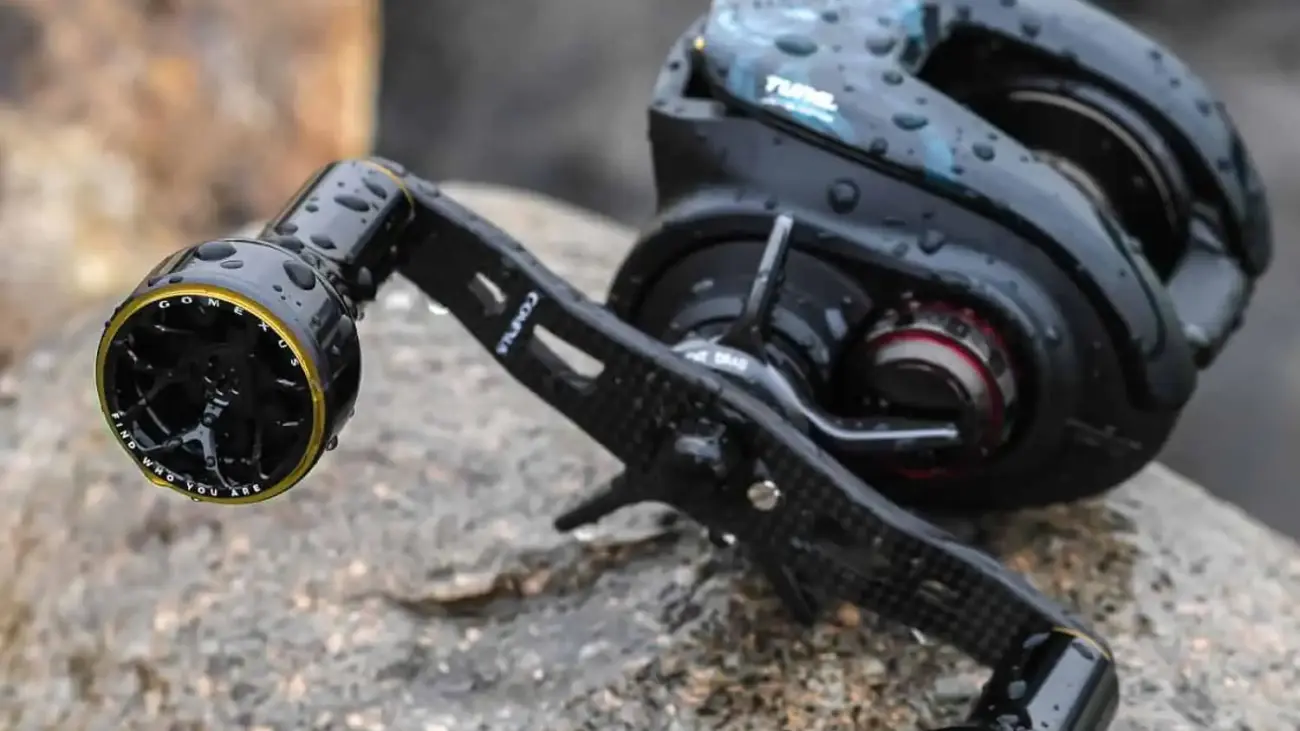
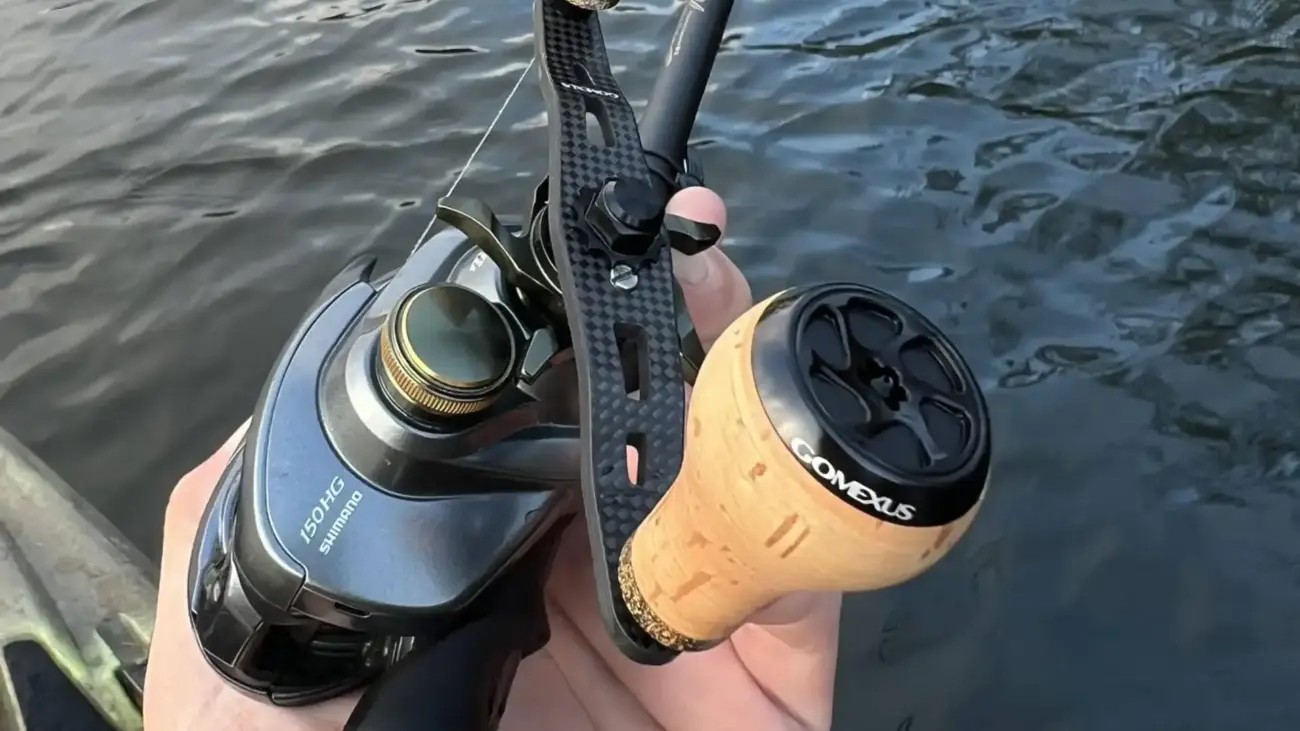
Upgrading to a Gomexus Aluminum Power Handle alters the mechanical math of the fight. The oversized, ergonomically curved round aluminum knobs afford a full-fist grip that eliminates hand cramping, while the extended handle arm provides increased torque—allowing you to transfer more raw winching power directly into the main gears without handle flex.
Pro-Grade Reel & Handle Compatibility Blueprint:
For Shimano Saragosa SW(8000-14000): Upgrade to the 🔄 Gomexus Aluminum Power Handle for Shimano Saragosa/Twinpower.

For Daiwa BG (4500-5000): Upgrade to the 🔄 Gomexus Plug & Play Aluminum Power Handle for Daiwa BG.

For Penn Spinfisher (6500-7500): Upgrade to the 🔄 Gomexus Plug & Play Aluminum Power Handle for Penn Spinfisher.

Sight-Casting Strategy: Spotting the Silver Flash
Tarpon fishing on gin-clear flats or shallow backcountry bays is a visual game. Because these fish are often highly spooky, success relies entirely on Sight-Casting—spotting the fish cruising or "rolling" at a distance and placing your live mullet or crab precisely in their travel lane before they detect the boat.
Under a blinding saltwater sun, surface glare is an impenetrable wall. You cannot target what you cannot see. This makes high-performance eye protection just as critical as your drag system.
The Gomexus F15 Polarized Sunglasses are engineered precisely to pierce this aquatic glare. Featuring advanced polarization matrices, the Green Mirror and Brown tints block blinding UV rays while maximizing contrast against sand flats and muddy back-bays. They allow your eyes to penetrate the upper water column so you can spot the dark silhouette or silver flash of an approaching King long before it enters your blind spot.
(Bonus: Paired with UPF 50+ apparel and broad-spectrum SPF 30 sunscreen, you protect your vision and your skin during grueling 8-hour bakes on the skiff.)
The Ultimate Accomplishment
Tarpon fishing is a masterclass in patience, heavy rigging, and physical endurance. The odds are always stacked in the Silver King’s favor. But by pairing tactical techniques like "bowing" with mechanical upgrades like high-torque Gomexus handles and glare-cutting optics, you tilt the scales back in your direction. When that giant silver shield finally rolls alongside the skiff for a quick photo and a safe release, you’ll understand exactly why anglers chase this high for the rest of their lives.
Maximize your leverage before the migration begins. Explore the[Gomexus Saltwater Power Handle Series] and gear up for the King.
-
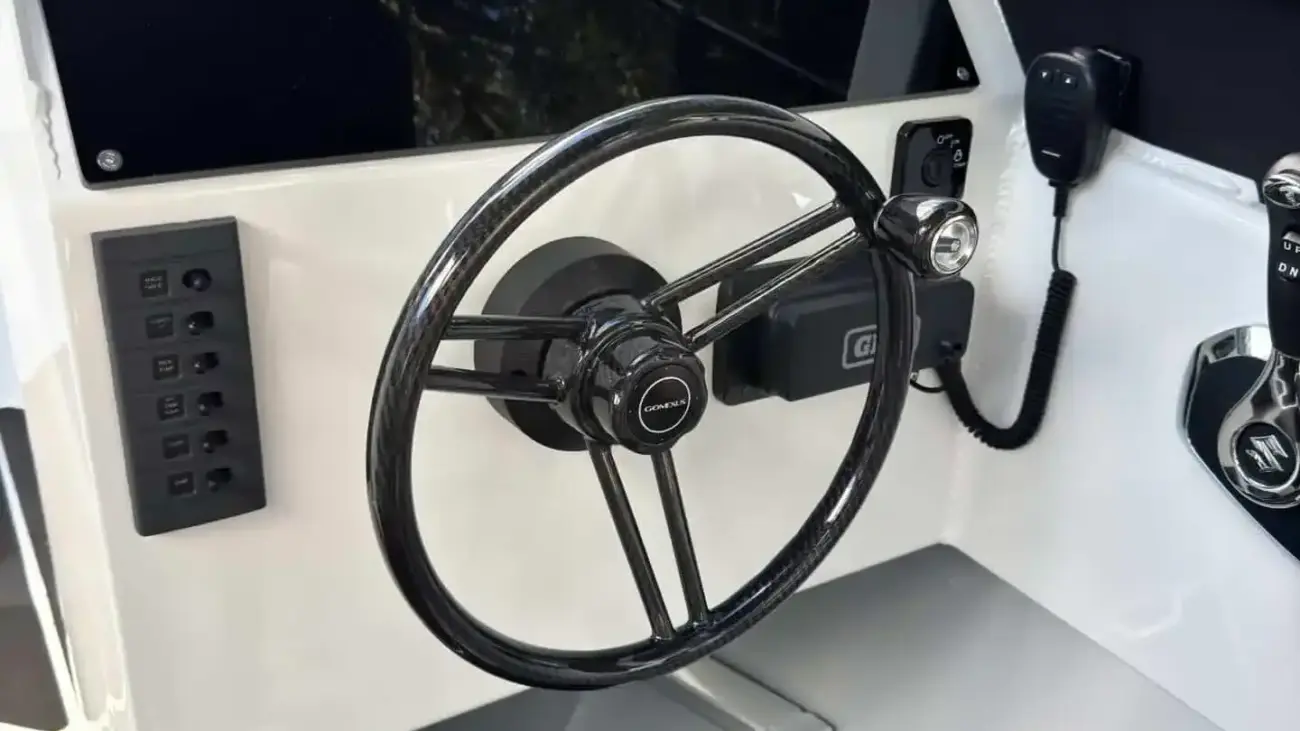
05/19/2026Every captain knows that the helm is the command center of the vessel. Yet, the one component you touch every single second you’re on the water—the steering wheel—is often the most overlooked.
Many boaters accept heavy, stiff, or degrading steering as "just part of boating." However, upgrading your wheel isn't just a cosmetic fix; it fundamentally changes how your boat handles, reacts, and feels. Here are four critical reasons why serious boaters are making the switch to premium marine steering wheels.
1. Improved Comfort & Ergonomic Handling
Factory-installed steering wheels are often built for mass production, not human anatomy. They typically lack proper ergonomic design, leading to hand cramps and wrist fatigue during long runs or offshore tournaments.
Upgrading to a high-quality wheel equipped with an ergonomic power-grip knob completely changes the dynamic. It ensures a firmer hold and smoother turns with far less effort—essential when you need maximum precision for navigating tight marinas or backing into a slip against a strong crosscurrent.2. Rotational Inertia: Lighter Weight for Instant Response
Not all steering wheels are created equal. Heavy wheels—especially those made from low-grade solid metals or cheap imitation carbon fiber—increase rotational inertia. This means it takes more physical effort to start a turn and more effort to stop it, causing subtle lag in your steering response. A genuine lightweight steering wheel minimizes resistance. It provides faster, more effortless maneuvering, giving you that "power steering" feel. When you need to make split-second corrections in rough inlets, a lighter wheel translates directly to razor-sharp responsiveness and total control.3. Elite Durability Against the Saltwater Elements
The marine environment is unforgiving. Constant exposure to blistering UV rays, salt spray, and high humidity causes traditional foam, plastic, and cheap metal wheels to degrade, crack, or corrode over time. Worse yet, traditional wheels can become burning hot after hours under the summer sun, making them impossible to hold without a wet towel. Upgrading to premium materials like authentic carbon fiber ensures military-grade resistance to the elements. High-grade carbon fiber doesn’t fade, corrode, or absorb heat the way metals do. It remains structurally rigid with zero flex under heavy loads, making it a permanent investment in your boat’s safety and performance.4. Aesthetic Upgrade & Helm Personalization
Your boat is a reflection of your lifestyle and passion. The helm should feel like a premium cockpit, not a standard rental boat. A premium wheel immediately modernizes your dash, adding a clean, sophisticated look that increases the pride of ownership and enhances the overall resale value of your vessel.Engineering the Ultimate Helm: The Gomexus 3K Carbon Fiber Wheel
If you are looking for a steering wheel that checks every single box of performance, technical durability, and lightweight engineering, the Gomexus Marine Carbon Steering Wheel is built specifically for the hardcore angler and boater. ✅ Authentic 3K Carbon Fiber Construction: Unlike heavy imitation carbon wheels, the Gomexus wheel weighs a mere 1.32 lbs. It is one of the lightest marine wheels on the market, drastically reducing steering fatigue. ✅ Zero-Flex Strength: Built with real 3K carbon fiber woven over a marine-grade core, it offers unmatched structural rigidity. No matter how hard you bury the wheel in rough seas, there is absolutely zero material flex. ✅ Universal Fit & Solid Engineering: Designed to fit standard 3/4″ tapered shafts, it comes with three precision-machined mounting nuts (M12, 1/2″, 5/8″) to guarantee a secure, play-free connection to your helm. ✅ Integrated Power Knob: Features an integrated, smooth-spinning ergonomic knob inspired by our world-class fishing reel technology, enabling seamless one-handed control so your other hand stays free to manage the throttle or lines.🛠️ Pro Tip: How to Optimize Your Wheel Setup
For the best leverage and ergonomic efficiency, we recommend mounting the steering knob at either the 10 o'clock or 2 o'clock position, depending on your dominant hand. This placement maximizes your turning radius and provides the most natural arm movement during complex maneuvers. Ready to transform your driving experience on the water? Shop now and experience the difference with Gomexus Carbon Steering Wheel! -
05/19/2026Why Your Gear Matters in Deep-Sea Fishing
In offshore big game fishing, your tools exist in a brutal, zero-sum game. When you are battling high-consequence species like giant barracuda, king mackerel, or tuna, a gear failure isn't just frustrating—it is the line between a legendary catch and a lost trophy. Traditional stainless steel pliers bend, rust, or twist under pressure on a chaotic deck. The Gomexus 7.5-inch Titanium Deep-Sea Fishing Pliers were engineered precisely for these high-stakes, high-salinity environments—offering captains and dedicated anglers a tool that refuses to fail when the adrenaline is high and the margin for error is zero.Engineered for Absolute Rigidity: Full Ti-6Al-4V Construction
Forged entirely from premium, aerospace-grade Ti-6Al-4V titanium, these pliers offer the ultimate strength-to-weight ratio required for demanding marine environments. While conventional "titanium-coated" or stainless steel tools inevitably succumb to pitting, corrosion, and bubbling after a few seasons of saltwater abuse, the Gomexus full-titanium body remains 100% immune to rust. It guarantees flawless mechanical action over years of heavy use without requiring constant babying or special sprays.Advanced Engineering: Inside the Gomexus 7.5" Titanium Pliers
1. Zero-Twist 14mm Frame with M17 Solid Pivot When attempting to dislodge a heavy-gauge circle hook from the bony jaw of an apex predator, lesser pliers suffer from "jaw twist"—the jaws misalign under load, losing grip entirely. The Gomexus 7.5” model counters this with a massive 14mm thick chassis paired with an oversized M17 solid titanium pivot. This heavy-duty architecture allows you to apply maximum torque and leverage without a single millimeter of lateral jaw deflection. 2. Dual-Cutter Technology (From Supple Braid to Hard Steel) Offshore rigging demands versatility, and a single cutter rarely suffices. The Gomexus engineering team implemented a dual-cutting system tailored to modern heavy rigging: 🔹 Tungsten Carbide Center Cutter: Provides a clean, zero-fray slice through limp, high-poundage PE braids and thick fluorocarbon leader lines. 🔹 High-Nitrogen Steel Side Cutter: Engineered specifically to snap through 100lb+ single-strand wire leaders, heavy tooth-proof cables, and rigging wire without chipping or flattening the blade. 3. High-Torque, Skeletonized Non-Slip Grip When the deck is rolling and your hands are slick with bait, slime, and seawater, a secure hold is a safety requirement. The skeletonized handle design significantly reduces overall weight while maintaining structural integrity. Ergonomically contoured and aggressively textured, it delivers a slip-free hold and maximum hand-leverage, drastically reducing hand fatigue during long days on the water. 4. True Zero-Maintenance Reliability No plating to flake off, no internal steel springs to rust shut. If you remember to rinse it with fresh water at the cleaning station, great. If you forget and leave it in the washdown bucket for a week, it will still function flawlessly on your next charter.Ready for the Blue Water
The Gomexus 7.5" Titanium Pliers are not built for casual weekend pond fishing. They are purpose-built for the global offshore community who run long ranges and demand absolute perfection from their gear. Every pair comes complete with a heavy-duty molded sheath and a high-strength Kevlar-core lanyard, ensuring your investment stays securely at your hip—and not at the bottom of a 1,000-foot drop-off. Upgrade your offshore kit today. Discover the unmatched reliability of the Gomexus 7.5” Full Titanium Deep-Sea Pliers. -
05/14/2026If you’re like me, you live for the sound of the drag screaming. But as a fishing charter captain, my day doesn't end when we hit the docks. It ends at the cleaning table.
I’ve filleted hundreds of fish a day—everything from oily mackerel to thick-skinned snapper. Over the years, I’ve gone through dozens of "big brand" fillet knives. Most of them follow the same sad cycle: you buy it, it’s sharp for a week, the saltwater eats the coating by month two, and by the end of the season, the rubber handle is sticky and the blade is pitted with rust.
I used to treat fillet knives as disposable tools. Then I picked up the Gomexus G-Knife (S7/S9). Here is the "no-fluff" breakdown of why this knife is a game-changer for anyone who actually cleans fish.
Why the G-Knife is Different: At a Glance
Feature The "Other" Guys Gomexus G-Knife Blade Material Coated Stainless (Rusts when scratched) N-Boost™ Nitrogen Steel Handle Durability Rubber/Plastic (Gets sticky/melts) CNC-Machined G-10 (UV-Proof) Corrosion Resistance Low (Pits in saltwater) 168h Salt Spray Tested Flexibility Often too stiff or loses shape Perfect "Goldilocks" Full Flex Maintenance Hard to sharpen / Toss away Stays sharp & easy to hone Hygiene Porous handles soak up slime Non-porous, easy-rinse surface 1. The Death of Rust: N-Boost™ Nitrogen Steel
Most knives try to hide cheap steel under a fancy coating. The second you scratch that coating on a rib bone, saltwater gets in and the rust starts bubbling.
Gomexus changed the game by using N-Boost™ high-nitrogen steel. This material is typically reserved for heart surgery instruments. The corrosion resistance isn't just a layer on top; it’s baked into the DNA of the metal.
- The Captain’s Verdict: It passed a 168-hour salt spray test. For you, that means no more "orange spots" after a single day on the boat.

Close-up of Gomexus G-Knife blade made of N-Boost high nitrogen steel for saltwater corrosion resistance 2. A Handle That Doesn’t Rot (G-10 Technology)
You know those rubberized handles that feel "grippy" at first but turn into a sticky mess after a summer in the sun? That’s UV damage.
The G-Knife uses CNC-machined G-10. G-10 is a high-pressure fiberglass laminate used in tactical gear. It is incredibly tough, moisture-resistant, and—most importantly—it doesn’t care about the sun or salt.
- The Mess Factor: When your hands are covered in slime and blood, the CNC texture gives you a "pinch grip" that won't slip. When you're done, it rinses clean in seconds. No fish smell lingering in the rubber.

Gomexus G-Knife CNC-machined G-10 handle showing anti-slip texture and UV-resistant material 3. The "Goldilocks" Flex & Maintenance
A fillet knife that’s too stiff wastes meat. A knife that’s too floppy can’t get through a heavy scale. The S7 and S9 have a responsive full-flex blade. It glides along the spine, bends perfectly to skin the fillet, and—unlike cheaper knives—it springs back perfectly straight every single time.
Pro Tip: While this nitrogen steel holds a working edge through a massive pile of fish, it’s still "friendly" enough to touch up with a stone or hone in a few passes. You don't need a professional machine to keep it lethal.
Close-up of Gomexus G-Knife blade made of N-Boost high nitrogen steel for saltwater corrosion resistance The S7 (7-inch): Perfect for detail work, panfish, walleye, or smaller saltwater species like sea trout.
The S9 (9-inch): The powerhouse. Ideal for big pelagics, thick-skinned snapper, and large carcasses where you need the extra reach.The S7 (7-inch): Perfect for detail work, panfish, walleye, or smaller saltwater species like sea trout.

Gomexus G-Knife showing flexible blade performance while filleting a snapper Final Thoughts: Stop Buying a New Knife Every Season
Whether you’re a weekend warrior or a pro, you’re investing in a tool, not a toy. As someone who relies on my gear to make a living, I don't have time for gear that fails.
The Gomexus G-Knife is the first blade I’ve found that actually respects the salt. It’s precision you can feel, and a grip you can trust. Stop treating your knives as disposables and start using a tool that lasts.

Gomexus G-Knife on a fish cleaning table after filleting saltwater catches Ready to upgrade your cleaning table? Shop the Gomexus G-Knife Series Now👇
-
02/01/2026Decoding the Saltwater Tool Kit
Any angler who has watched a cheap pair of steel pliers seize up into a solid lump of rust after one ocean trip knows that the marine environment is unforgiving. A reliable pair of titanium fishing pliers is non-negotiable for surgical hook extraction, heavy rigging, and clean line cutting.
However, wading shallow flats for Redfish or tracking Bass in the mangroves requires a completely different mechanical approach than managing a rolling deck during an offshore tuna feeding frenzy.
Let’s break down the technical differences between Inshore and Offshore tools so you can spec your gear correctly, followed by our definitive, captain-approved selection matrix to help you find the ultimate titanium fishing pliers.
1. Metallurgy & Corrosion Defenses
-
Inshore Pliers: Typically engineered from Anodized Aluminum or mid-grade Stainless Steel. These materials are highly effective against brackish waters and moderate salt spray. Because inshore angling involves constant casting, aluminum keeps the tool incredibly lightweight (often under 5 oz) on your wading belt or kayak vest.
-
Offshore Pliers: The blue water environment is a pressure cooker for corrosion. Offshore gear faces prolonged submersion in heavy brine, bloody decks, and humid salt air. Here, premium Ti-6Al-4V Titanium is king. 100% immune to rust, full titanium tools eliminate the fatal flaw of aluminum—metal fatigue, pitting, and structural bending under relentless exposure.
2. Jaw Architecture & Structural Rigidity
-
Inshore Pliers: Designed for finesse and precision. The jaw profiles are narrower, optimized for opening smaller #1 to #4 Split Rings on delicate hard baits, trout spoons, or Eging squid jigs. They prioritize manual dexterity over raw crushing force.
-
Offshore Pliers: Built for high-consequence torque. When you are dislodging a heavy-gauge circle hook from the bony, thrashing jaw of an apex predator (like a Tuna or GT), lesser jaws suffer from "jaw twist"—they misalign and lose grip entirely. Offshore pliers feature thickened chassis (up to 14mm) and oversized solid pivots to withstand immense lateral torque without a millimeter of jaw deflection.
3. Line & Wire Cutting Dynamics
-
Inshore Pliers: Usually feature a single set of tungsten carbide cutters near the base. These are razor-sharp and ideal for slicing through limp PE braids, monofilament, and light fluorocarbon leader lines.
-
Offshore Pliers: Heavy rigging demands Dual-Cutter Technology. Beyond slicing 80lb+ braid cleanly, a dedicated offshore tool must feature an ultra-hard High-Nitrogen Steel Side Cutter designed to snap through single-strand wire leaders, tooth-proof steel cables, and heavy trolling wire without chipping or flattening the blades.

4. Advanced Engineering: The Gomexus Titanium Selection Matrix
At Gomexus, we don’t believe in a "one-size-fits-all" compromise. We engineered our Full Titanium Pliers Series to cover the exact demands of both fishing worlds. Use our technical breakdown below to match the exact tool to your target map.
Size Jaw Type Best For (Target Scenarios) Why It Belongs In Your Kit 6.5" Hook Removal
(Straight Nose)Wading, Kayak Fishing, Trout, Inshore Light Tackle Ultra-light and built for precise, close-range hook removal in tight spaces. Zero bulk on your belt. 6.5" Split Ring Pliers
(Curved Nose)Finesse Fishing, Bass, Ultralight Setups, Frequent Lure Changes Fast tactical adjustments. Perfectly pries open small split rings on delicate baits without deforming them. 7.0" Hook Removal
(Straight Nose)Boat Fishing, Inshore, Bass & Saltwater General Use Your go-to for 90% of hook removals. Offers extended reach and absolute control when it matters most. 7.0" Split Ring Pliers
(Curved Nose)Everyday Lure Fishing (Freshwater & Saltwater Crossover) Captains’ favorite for fast, reliable rig changes. Perfectly balances inshore finesse with saltwater toughness. 7.5" Split Ring Pliers
(Curved Nose)Jigging, Big Lures, Offshore Casting Engineered specifically to pry open heavy-gauge split rings on big lures and deep-sea vertical jigs with ease. 7.5" Heavy Duty
(Hook Removal)Offshore Big Game, Tuna, GT, Heavy Leaders & Giant Circle Hooks Maximum material thickness and devastating crushing power. Built to withstand serious, relentless saltwater abuse. *Unsure where to start your collection? Begin with the 7.0" series (Straight Nose) —the most versatile, battle-tested crossover size for 90% of global anglers.
Final Cast: Matching the Tool to Your Chart
Choosing your pliers comes down to where your hull spends its time. If your fishing adventures revolve around calm bays, estuaries, and light tackle, a nimble, lightweight setup like the Gomexus 6.5” Titanium Pliers will elevate your efficiency.
If you split your time evenly between freshwater lakes and coastal reefs, the Gomexus 7.0” series is the ultimate crossover workhorse.
But if you routinely cross the drop-off into the brutal, unpredictable environments of the deep sea, investing in the heavy-duty Gomexus 7.5” Titanium Pliers ensures you have a tool that refuses to fail when a lifetime trophy is on your line.
Ready to bulletproof your saltwater kit? Explore the [Gomexus Full Titanium Pliers Collection] today and find your perfect size. -
-
01/01/2026Do you ever feel like you're wrestling with your boat's steering wheel, especially during docking or navigating tight spaces? If so, then the Gomexus Stainless Steel Steering Wheel Knob is your secret weapon for a smoother, more controlled boating experience.
This easy-to-install knob is crafted entirely from high-grade stainless steel, including the bearing, for unbeatable durability and resistance to saltwater corrosion.expand_more Designed to fit snugly on oval steering wheels with rim diameters ranging from 28mm to 28.6mm (5/8" to 1-1/8"), the Gomexus knob boasts an ergonomic design inspired by their popular fishing reel knobs.

Why Stainless Steel Matters in the Salt:
Most steering knobs use plastic interiors that corrode and "seize up" after one season in the salt. The Gomexus difference?
- Total Corrosion Resistance: Crafted entirely from high-grade stainless steel—including the internal bearings.
- The "Jex William" Heritage: This knob wasn't just made in a factory; it was refined based on real-world feedback from veteran boaters.Performance Benefits:
-
✅ Effortless Control: Free up your other hand to manage lines, fenders, or your throttle during complex maneuvers.
-
✅ Ergonomic Grip: The power-knob shape reduces hand fatigue during long days on the water.
-
✅ Instant Response: High-quality bearings ensure zero "play" or lag when you need to make a quick turn.
Will It Fit Your Boat?
Precision is key. This knob is designed for oval steering wheels with rim diameters of 28mm to 28.6mm (5/8″ to 1-1/8″).Pro Tip: For the best leverage, we recommend mounting the knob at the 10 o'clock or 2 o'clock position, depending on your dominant hand.3-Minute Installation (Allen Wrench Included):
- Clean: Thoroughly clean the area on the steering wheel where the knob will be mounted.exclamation
- Loosen: Use the provided Allen wrench to loosen the set screws on the knob.
- Position: Place the knob on the steering wheel in your desired location.
- Tighten: Securely tighten the set screws using the Allen wrench to ensure a firm fit.
Final Thoughts: A Small Investment for Big Confidence
Steering shouldn't be a workout. Whether you're a professional charter captain or a weekend explorer, the Gomexus Stainless Steel Steering Wheel Knob offers the durability of marine-grade steel with the precision of our world-class fishing gear.
Upgrade Your Helm – Shop the Gomexus Steering Wheel Knob Now👇 -
-
01/01/2026Why Preventative Maintenance Wins More Battles
Fishing is an investment in adrenaline, patience, and high-performance gear. However, the marine environment is inherently hostile. Saltwater crystallization, UV degradation, and hidden moisture are silent killers that can turn a premium setup into a stiff, rusty liability.
Implementing a strict post-trip maintenance routine ensures your equipment operates at peak performance, preserving that "out-of-the-box" smoothness when a trophy fish is on the line. Here is a definitive guide to maximizing the lifespan of your fishing gear.
1. Reel Maintenance: Preserving Mechanical Smoothness
The fishing reel is a masterpiece of precision engineering, making it the most vulnerable to saltwater intrusion. Knowing how to care for fishing reels correctly will save you hundreds of dollars in replacement parts.
- The Cold-Water Rule: After every saltwater session, rinse your reel under a gentle stream of cold fresh water. Never use warm or hot water, as it melts and washes away the internal gear grease.
- Lock the Drag First: Always tighten your drag star completely before rinsing to prevent water from penetrating the carbon drag washers. Loosen it back up for storage.
- Strategic Lubrication: Periodically apply specialized low-viscosity reel oil to exposed bearings (like the line roller) and heavy grease to the main gears.
Pro Tip: Upgrading to corrosion-resistant components, like Gomexus Aluminum/Titanium Power Knobs, reduces the metal-on-metal wear points that saltwater typically exploits.
2. Fishing Line Care: Preventing Breakage and UV Aging
Your fishing line is your only direct link to the fish. Understanding fishing line lifespan prevents heartbreaking breakages.
- Shield from UV Rays: Ultraviolet light is the enemy of monofilament and fluorocarbon. Store your spools in cool, dark tackle lockers—never leave them baking on the deck or in the back of a hot truck.
- The Friction Check: Run the last 10 feet of your line through your fingers after every trip. If you feel any nicks or rough texture from rocks or structure, clip it back immediately.
- Respool Timelines: For heavy usage, replace monofilament every 3–6 months. High-quality PE braid can last 1–2 years but should be reversed on the spool annually to expose the fresh, unused half.
3. Hook and Tackle Care: Maintaining Razor-Sharp Hooksets
A dull hook or a corroded swivel will drastically reduce your hook-up ratio. Effective fishing hook maintenance is non-negotiable.
- Segregate the Salt: Never throw a used lure or hook back into a box with unused tackle. The residual salt moisture will contaminate the entire tray.
- The Silica Gel Trick: Drop moisture-absorbing desiccant packs into your utility boxes to eliminate micro-humidity.
- Hone the Edge: Use a diamond hook-sharpening stone to dress the point of your hooks. If a hook point doesn't easily scratch the surface of your fingernail when dragged across it, it’s too dull to penetrate a fish's bony jaw.
4. Rod Maintenance: Preventing Micro-Fractures and Guide Failure
Fishing rods are built to bend, but they require proper care to prevent catastrophic rod breakage under heavy loads.
- Scrub the Guides: Salt builds up inside the ceramic ring of your guides. Wipe them down with a soft cloth and mild soap to prevent abrasive salt crust from slicing your fishing line.
- Mind the High-Sticking: Never bend the rod past a 90-degree angle relative to the fish (high-sticking). This concentrates all the load onto the fragile tip section rather than the powerful backbone of the blank.
5. Proper Storage: The Off-Season Blueprint
How you store your fishing equipment determines how it performs during the next season opener.
- Vertical Storage: Store rods vertically in a rod rack or horizontally supported at multiple points. Never lean them against a corner, which creates a permanent "set" or warp in the blank over time.
- Back Off the Tension: Back off the drag clickers on all reels during long-term storage to prevent the washers from compressing and losing their smooth startup inertia.
🙋♂️ Expert FAQ: Longevity & Repairs
How long does fishing gear typically last?
With proper, meticulous maintenance, your gear can easily survive decades of abuse:
- Rods: 5–10+ years (barring high-sticking or car door accidents).
- Reels: 5–15+ years (if regularly deep-cleaned and greased).
- Braided Lines: 1–3 years; Mono/Fluoro: 6–12 months.
- Lures and tackle: 5+ years with proper careHow can I fix or restore fishing rod durability?
If your rod shows signs of structural wear, handle it systematically:
1. Inspect for Splinters: Run a cotton ball over the blank; if it catches fibers, you have a dangerous micro-fracture.
2. Restore Cracked Guides: Do not try to unscrew them. Carefully slice the old epoxy thread wrap, remove the damaged guide, and re-wrap a new guide using dedicated rod-building thread, finished with a fresh coat of two-part marine epoxy.
3. Clean the Reel Seat: Use a soft-bristled toothbrush to remove sand and salt from the reel seat threads to ensure a rock-solid reel lockup.
Implement these steps to enhance the longevity of your fishing rod.Consistency Is the Ultimate Upgrade
At the end of the day, premium rods and smooth drag systems are only as reliable as the maintenance they receive. The ocean always finds the weakest link in your setup—whether it's an unrinsed line roller or a salt-crusted guide. By making this pro-grade care routine a non-negotiable ritual after every outing, you ensure that your gear maintains its peak engineering tolerances for seasons to come.
Keep your tackle organized, respect the salt, and never cut corners on the washdown deck. Tight lines, and we’ll see you out on the blue water!
-
11/01/2025Understanding the Fly Fishing Discipline
Unlike conventional angling, where a heavy lure or bait pulls the running line off the reel, fly fishing is a game of pure physics and aerodynamics. Here, your offering—the "fly"—is practically weightless, meticulously tied from feathers, fur, and synthetic materials to mimic aquatic insects or small baitfish. To cast it, you rely entirely on the weight of the specialized, coated fly line to carry the fly to the target zone.
It is an active, elegant discipline that rewards patience, stealth, and a deep understanding of river entomology. Whether you are targeting trout in a rushing alpine stream or casting on a glassy lake, mastering this art offers an unparalleled connection to nature and the outdoors.
A Brief History: From British Aristocracy to JDM Streams
Fly fishing is believed to have originated in England around the 16th century, initially enjoyed as a pastime by the aristocracy. However, its integration into Japanese angling culture created a unique sub-genre. Introduced to Japan in the late 19th century by Western diplomats, fly fishing blended beautifully with Japan's traditional native mountain stream methods, such as Tenkara.
By the 1970s, Western fly casting techniques took firm root across Japan, exploded globally after the 1992 cinematic masterpiece A River Runs Through It, and evolved into today's dedicated community of over 100,000 Japanese fly fishers who treat the sport with a sense of zen-like craftsmanship.
The Essential Fly Fishing Gear Blueprint
To step onto the riverbank, a beginner needs to understand how the fly fishing system functions as a cohesive unit. Unlike traditional tackle rated by breaking strength, fly gear is classified by a standardized "Weight (#)" system.
1. The Fly Rod
The backbone of your setup. Fly rods are built for flexibility and progressive bending. Traditionally crafted from bamboo or fiberglass, modern anglers overwhelmingly favor Carbon Fiber due to its lightweight recovery speed and responsive feel.
- For Small Streams & Creeks: Opt for a nimble 7.0 to 8.0-foot rod rated for a #3 or #4 line. This allows for delicate presentations under tight, low-hanging branches.
- For Lakes & Large Rivers: Choose a robust 8.5 to 9.0-foot rod paired with a #6 line to battle heavy winds and throw longer distance casts.
2. The Fly Reel
In fly fishing, the reel primarily serves as a balanced counterbalance and a line storage unit rather than a high-speed winch. It must be perfectly matched in weight to your rod. Look for a simple click-pawl or smooth disc-drag system that allows for easy left- or right-hand retrieval crossover based on your personal preference.
3. The Fly Line
The primary vector that delivers your fly. It is thick, floating or sinking, and brightly colored, categorized by weight (#3, #4, #5, etc.). Standard lengths run between 25m–30m.
There are two main types:
- Floating Line (F): The mandatory choice for beginners. It rides high on the surface tension, making it easy to track, mend, and pick up off the water.
- Sinking Line (S): Designed to cut through the water column to present flies to deep-dwelling lake trout or subsurface fish.
4. The Leader & Tippet Architecture
Because fly line is thick and highly visible, you cannot tie it directly to a cautious trout. You need a transparent connection that tapers down dynamically.
- Tapered Leader: An extruded nylon line that gradually tapers from thick (butt section) to thin, transferring the casting energy seamlessly. Beginners should start with a 7.6ft to 9ft leader.
- Tippet: A level section of ultra-thin fluorocarbon or monofilament (usually 60–70cm) tied to the end of the leader to preserve its lifespan.
- The "X" Sizing Rule: Lines are rated by an "X" system—the higher the number, the thinner the diameter. A #3 line pairs with a fine 5X tippet (approx. 0.8 JDM gauge) for stealth, while a heavy #6 line pairs with a 3X leader (approx. 1.5 JDM gauge).
THE FLY LINE SYSTEM: FROM REEL TO FLY
[ Fly Reel ] ──> [ Thick Fly Line ] ──> [ Tapered Leader ] ──> [ Fine Tippet ] ──> [ Artificial Fly ]5. Artificial Flies (Kebari)
Tied carefully onto hooks using bird feathers, animal hair, or synthetic fibers, flies fall into two foundational categories. Beginners should start with a balanced mix:
- Dry Flies (Surface): Designed to float on the water's surface, mimicking adult insects hatching. (Pack 10 pieces).
- Nymphs & Streamers (Subsurface): Sinking imitations that mimic underwater larvae or small baitfish. (Pack 10 pieces).
Tactical Essentials: The Ultimate Stream Accessories
While rods and lines deliver the fly, it is the tactical accessories on your vest that dictate your efficiency on the riverbank. Fly fishing demands lightweight, rustproof, and highly accessible tools for micro-rigging and ethical fish handling.
The Rigging Engine🛠️: Gomexus SharkBite Nipper & Retractor Combo
Every fly angler knotting a microscopic dry fly onto a 6X tippet needs a precision cutting tool. The Gomexus SharkBite Nipper is engineered out of premium AL6061 aerospace aluminum to replace clunky, dull clippers.
-
Surgical Cuts: Armed with razor-sharp stainless steel blades, it effortlessly cleaves through everything from heavy 85lb saltwater braids to the finest, almost-invisible fly tippets without fraying.
-
Built for the Hatch: Beyond its clean cut, it features a built-in knot-tying tool for lightning-fast rigging on the water and an essential cleaning needle to clear dried head cement from clogged hook eyes. Mounted on a heavy-duty 65g-load retractable carabiner, it stays securely on your vest for quick one-handed deployment.
The Conservationist's Choice🐟: Gomexus 46.5g Micro Fish Gripper
Wild trout and native stream species have delicate jaw structures and protective slime coats. Traditional heavy lip grips can cause catastrophic injury during unhooking.
-
Featherlight Control: Weighing a mere 46.5g (1.64oz) and measuring just 3.93 inches, this anodized aluminum mini gripper slips into any shirt pocket entirely unnoticed.
-
Gentle Catch & Release: Don’t let the micro-chassis fool you; it locks down with a secure 5kg (11lb) scaling grip and a wide 3cm opening. The smoothly contoured jaws ensure a confident hold for quick hook removal and gentle, stress-free releases in icy mountain streams—keeping the fish safe and your hands dry.
Final Thoughts: Respecting the Flow
Fly fishing is more than just a method to catch fish; it is an exercise in environmental conservation, mindfulness, and outdoor appreciation. By matching the hatch, perfecting your drift, and utilizing precision, trout-friendly tools, you protect both your angling experience and the fragile cold-water ecosystems for generations to come.
Ready to streamline your stream pack? Explore the [Gomexus Fly Fishing Tactical Tools Collection] today and unlock exclusive Captain Program rewards on your next blue-line adventure.