

Misinterpretation of Bait Types & Structural Design
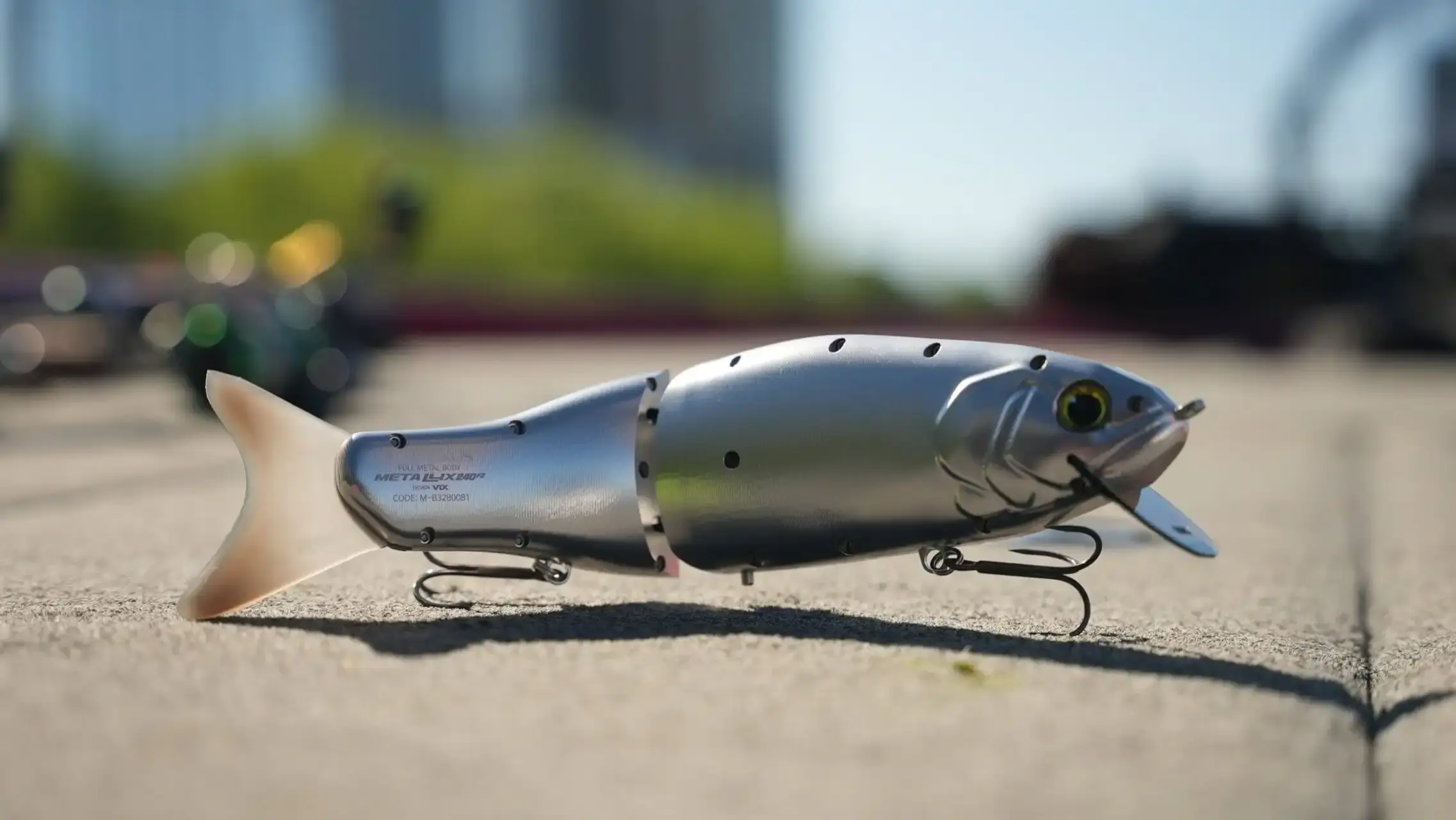
The first issue that troubles most novice anglers is misinterpretation of bait types. Real glide baits come with a dual-section, single-hinge design that creates a broad “S-shape” action when handled properly.
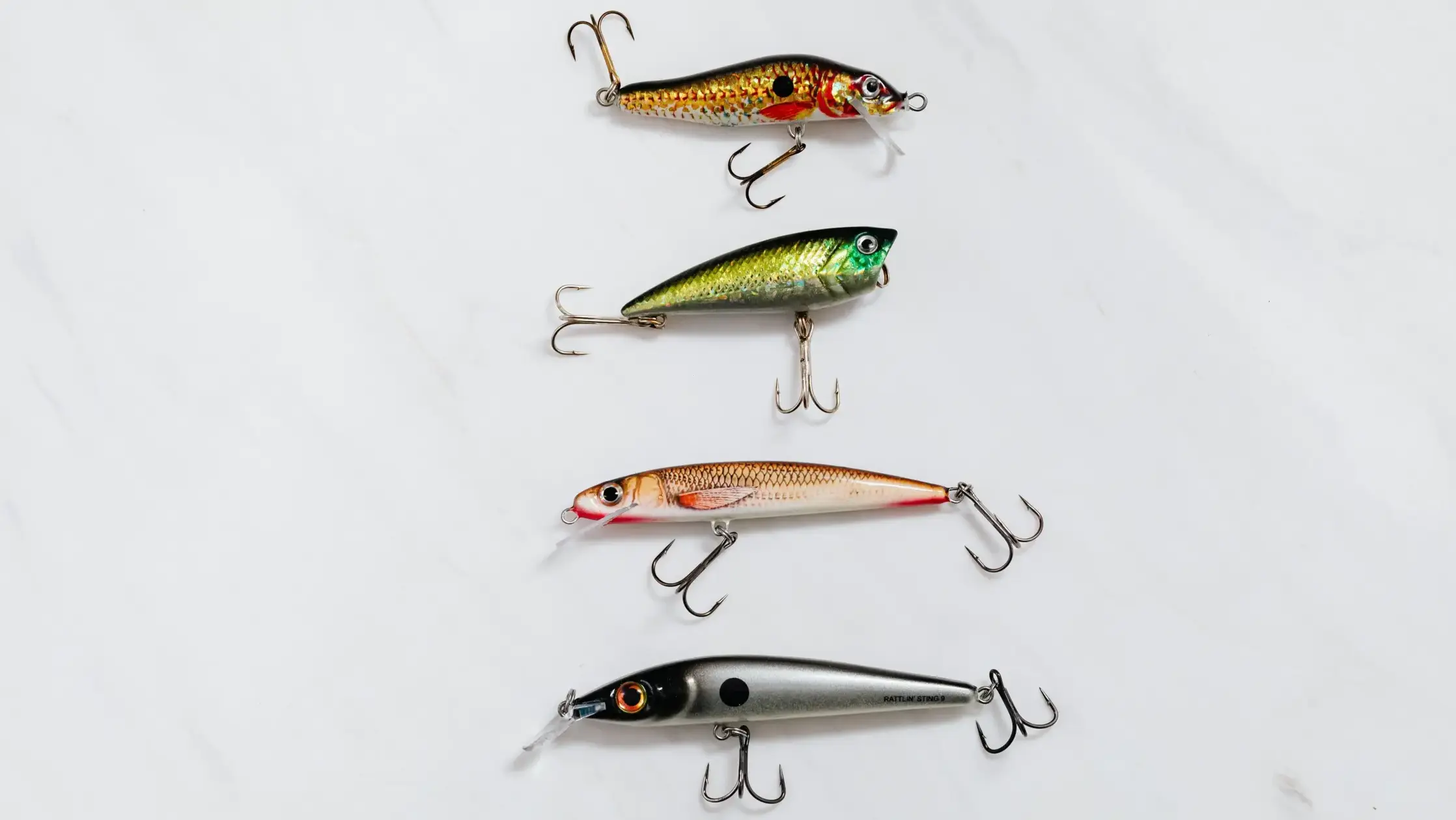
The size of the glide bait should range from 4-inch to 7.5-inch models (for example, the Spro KGB Chad Shad, 6th Sense Draw, Berkley Chop Block, or Savage Gear 135 Hitch) that can catch both common game fish species as well as bigger predators using a proper glide bait. Do not use multi-jointed baits when searching for this style because these options are designed to swim in a straight line.
Single-jointed or internal weight-transfer glide baits (for example, the IMA Hound Glide or Daiwa ShoreLine Shiner series) are built to resist strong surf and currents in coastal or estuary waters without flipping over.
- Size in the freshwater zone: between 4 inches and 7.5 inches.
- Standard saltwater or estuary model (for example, IMA Hound Glide 125F): length – 125 mm, weight – 20 g, floating type, diving depth – 0.7 to 1.0 m, maximum casting distance – 80 m.
Major Retrieve Methods and Up-to-Date Techniques
It is a disaster to rely entirely on irregular movements of the rod or to use steady retrieval when working this specific glide bait category.
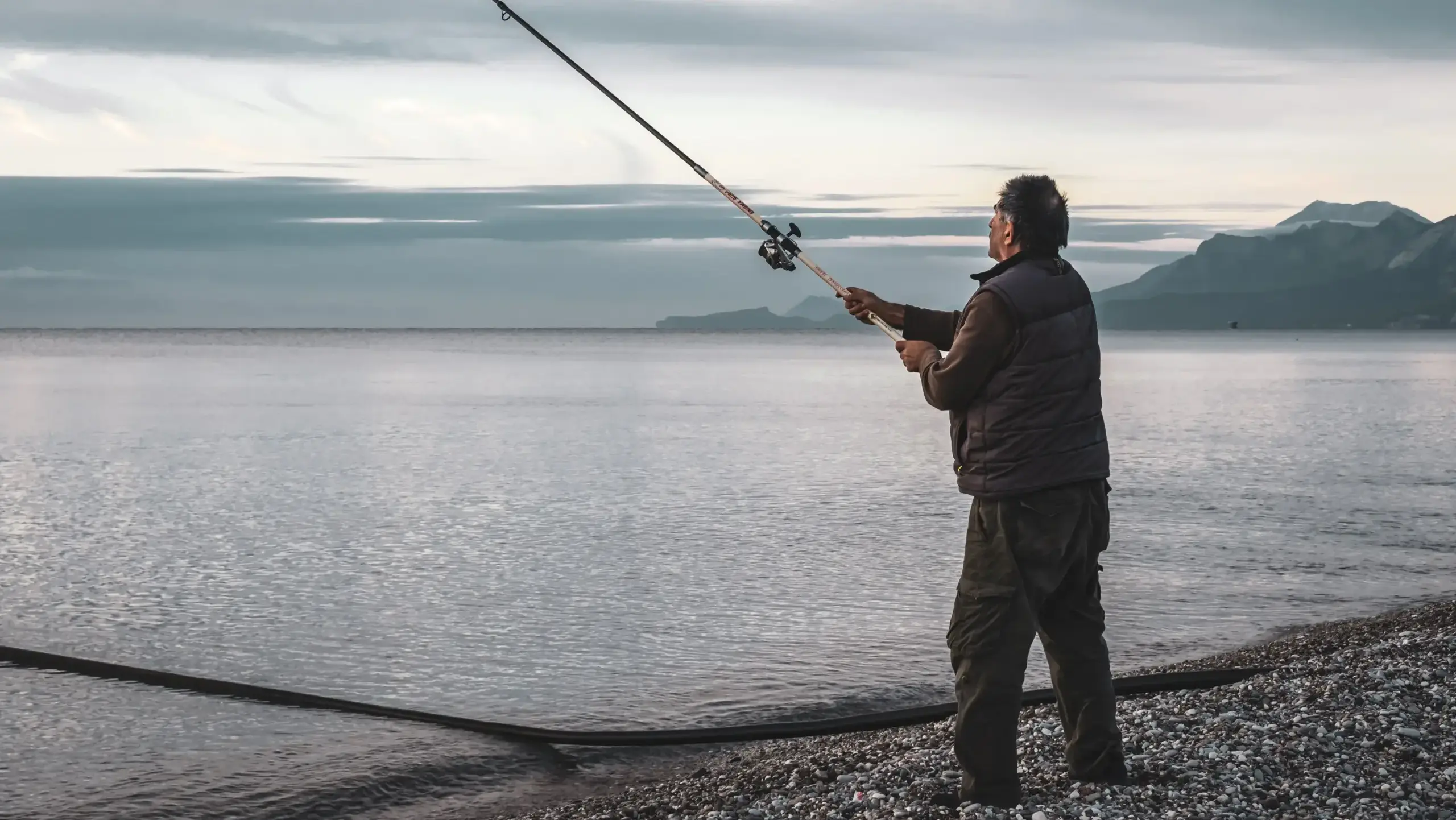
When slack occurs in the line, the glide bait can move freely from side to side in the rhythm of chop-pause-chop. Pauses lasting from 2 seconds to 5 seconds are often the reason for explosive reaction strikes.
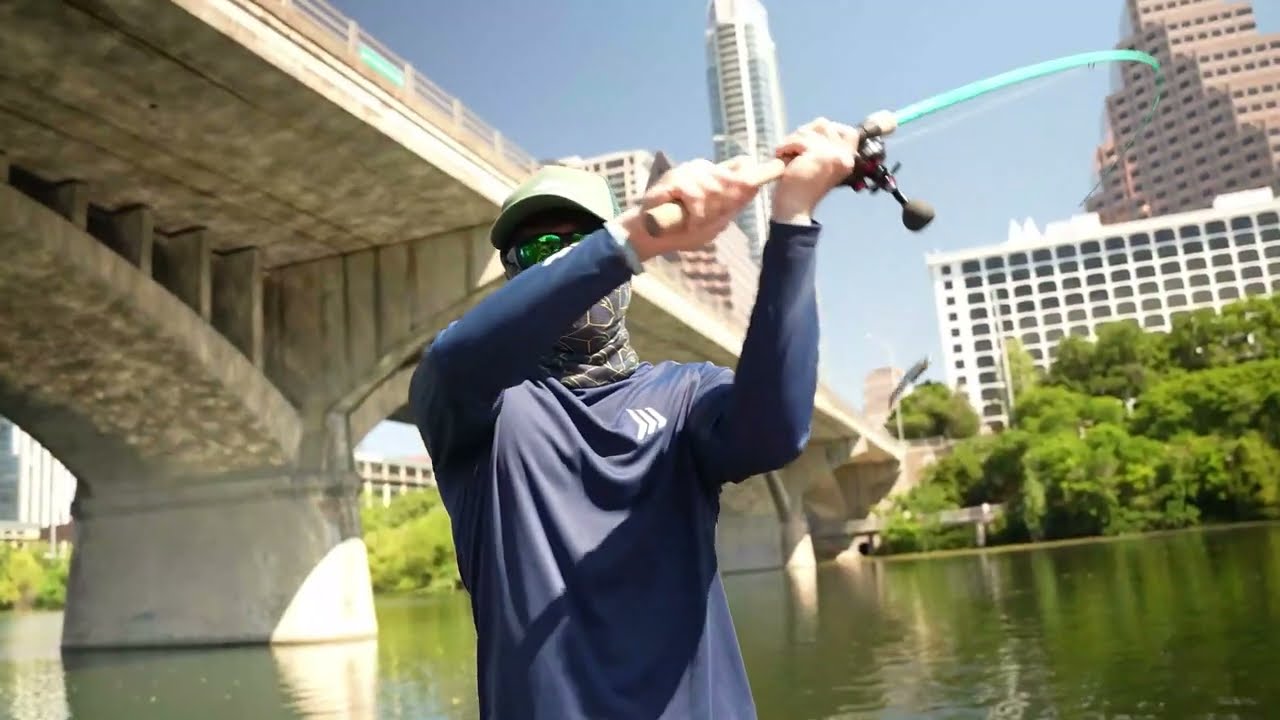
Using a 7-foot rod, sweep it horizontally from side to side rather than vertically downward in order to prevent water slapping at the rod tip during operation.
When in river mouths or currents, cast upstream on a line between 10 and 1 o’clock. Instead of cranking your reel, maintain light connection with the line and let the current swing the glide bait naturally over structure. Pauses should only occur when moving over eddies.
Getting Rid of Followers and Getting Strikes
Once you see a huge fish following your glide bait presentation to the boat without attempting to bite it, it can be frustrating. You can use advanced methods to get these fish to strike.
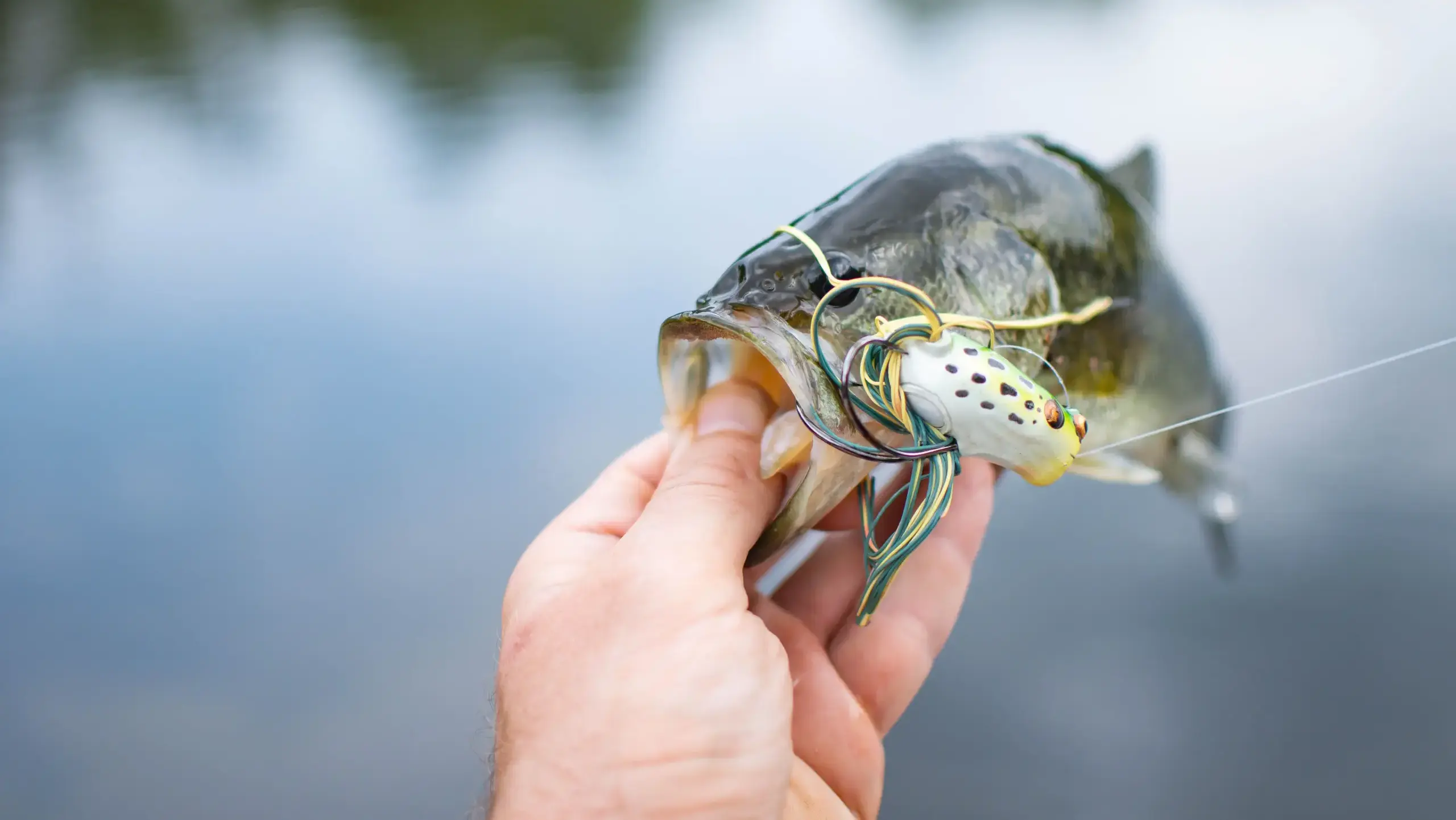
Quickly twitch the rod 1 to 2 times while burning the reel handle to create the impression of a frightened baitfish fleeing.
If a following fish turns away, recast in the same area and stop the retrieve to allow the glide bait to drop freely for 2 to 4 seconds.
For neutral or sluggish fish, alter the glide bait by using a file to slightly widen the hinge cavity or change hook sizes and split rings to make it suspend horizontally.
Specialized Gear and Line Setups
Using underpowered tackle or light lines when casting heavy multi-ounce glide bait models can result in damaged equipment and lost fish.
Use a swimbait rod measuring between 7’6" and 7’8" with a Moderate action to prevent hooks from tearing out during head shakes while making long casts.
Pair the rod with a 200-series high-speed baitcasting reel (with a gear ratio of 7.1:1 to 8.1:1) in order to pick up slack line quickly during side-to-side actions, while when evaluating line control and drag requirements for heavy hard baits, many anglers choose heavy-duty baitrunner spinning reels to optimize line control and braking performance.
- Standard Clear Water: A direct tie of 17 to 20 lb fluorocarbon line.
- Heavy Cover / Saltwater: A 50 lb braid coupled with a 20 lb fluorocarbon leader to winch fish through heavy vegetation or kelp.
- Pike / Musky Waters: A 50 lb braid with a strong 40 to 80 lb fluorocarbon or wire bite leader to prevent line snapping from sharp teeth.
Best Locations and Snag Considerations
Because of the high price tag of these specialized glide bait options, fishermen usually avoid using them in heavy cover, missing some of the best spots.
Focus your attention on wind-blown shores, long underwater points, submerged creek channels, and weed edges where baitfish gather.
Check out unknown snaggy places using cheap search options or inexpensive profile lures beforehand. If you feel the glide bait tapping on vegetation, lift the rod tip and slow down your retrieve to move above the snag. Always keep a telescoping lure retriever on hand when working ledges or rocky locations.
Glide Bait Cheat Sheet
| Categorical Component | Operational Strategy & Tactics | Performance Specifications & Characteristics |
|---|---|---|
| Bait Choice | Stick to 2-section single-hinge designs for freshwater options and switch to internal weight-transfer models for uneven saltwater conditions. | Freshwater: 4-7.5 in (100-190 mm) Saltwater protocol: 125 mm / 20 g / 0.7-1.0 m depth |
| Retrieval Rate | Adopt the Reel Chop method in conjunction with side-to-side rod sweeps and natural flow swings. | Handle turns: 1/4-1/2 turn Duration of pauses: 2-5 seconds Casting angle (current): 10:00-11:00 or 1:00-2:30 |
| Follower Triggers | Use a free-falling cast or an increasing burst of speed. | Water temperature: 40°F-65°F (best during Fall and Spring) |
| Gear | Use with a swimbait rod, powerful reel, and abrasion-resistant line. | Rod: 7’6" to 7’8" with Moderate action (rated 1-4 oz) Reel speed: 7.1:1 – 8.1:1 Minimum line required: 17-20 lb fluorocarbon line |
| Cover & Safety | Guide to favorable structures and use correct angles when retrieving the lure. | Operating depth: 2-3 ft minimum for shallow execution |