

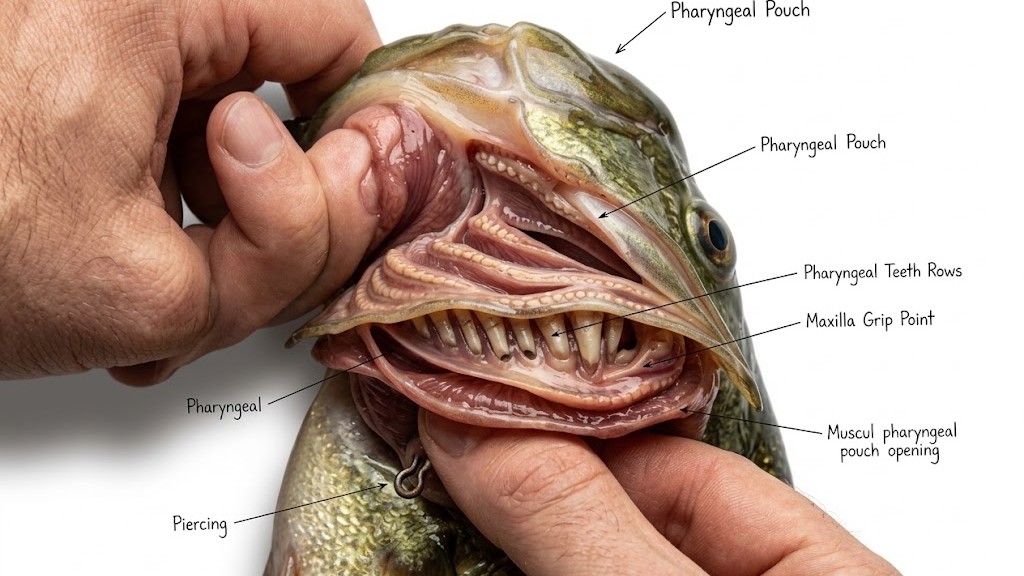
Part 01 Major Challenges in Bass Handling
High risk of mortality in the event of stomach-hooked bass
The gut-hooking technique consisting in swallowing the bait too deeply into the throat of a bass can lead to wilfully injuring internal organs and blood vessels of the fish. This occurs mainly with lighter finesse methods when bass can inhale an insidious bait at deeper levels. Please refer to the article on Finesse Fishing Deep Hook Fixes for more details on preventative rigging. By implementing the proper techniques on how to unhook a bass, anglers can prevent fatal bleeding.
Risk of injuries caused by treble hooks and fish jumping
The erratic movements of the award-winning bass during the unhooking process are dangerous for anglers. Treble hooks on hardbaits can adversely affect humans even if the person is not holding the fish firmly during unhooking. It is essential to keep exposure to air while learning how to unhook a bass to the minimum.
Suffering of Fish from Physical Injuries During Measurement and Weighing
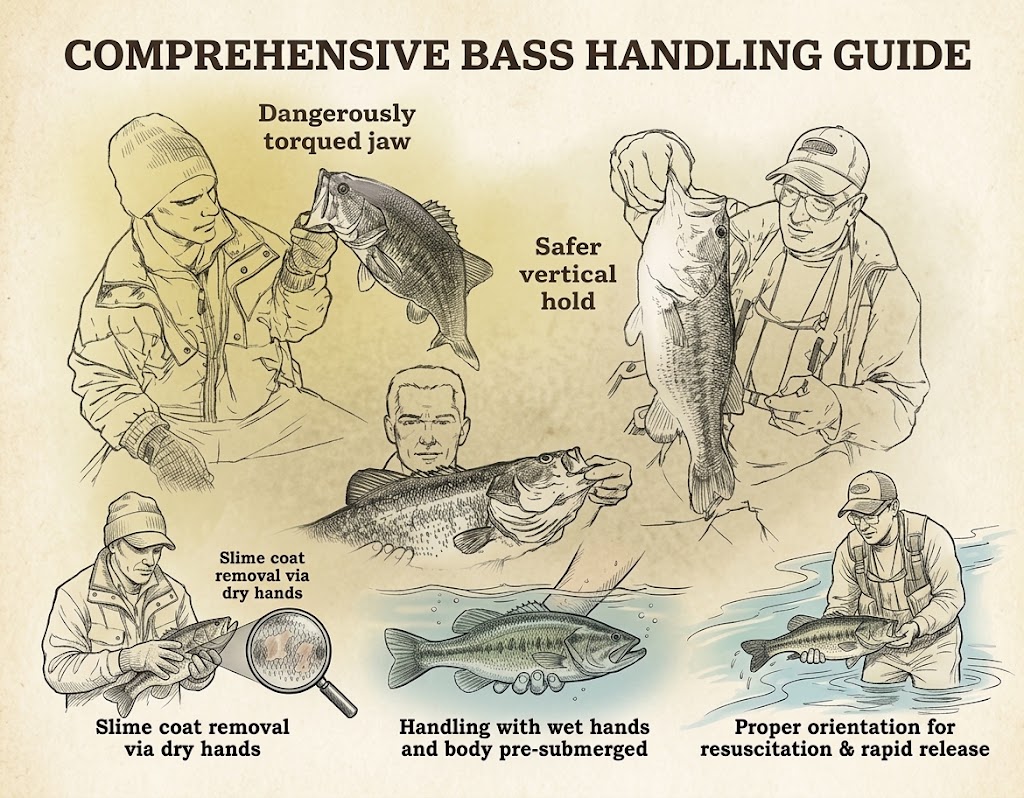
If people try to hold a fish horizontally by its lower lip without its physical body being supported, this may lead to very serious jaw injuries and problems with the spine. In the same manner, if fish are hung directly from the gills or jaws while being weighed on a scale, it may cause permanent damage to the skeleton of the fish.
Part 02 Step-by-Step Execution Workflow
1 Proper Technique of Handling Fish
Avoid causing the jaw injury and problems with the spine. For vertical handling, keep both the thumb and index finger supporting the fish by holding the lower lip of the fish, with the mouth completely perpendicular to the ground. When taking a horizontal position to hold the big bass, it is important to use the second hand in order to support the belly or tail of the lever.
2 Standard Hook Removal and Line Cutting Methods
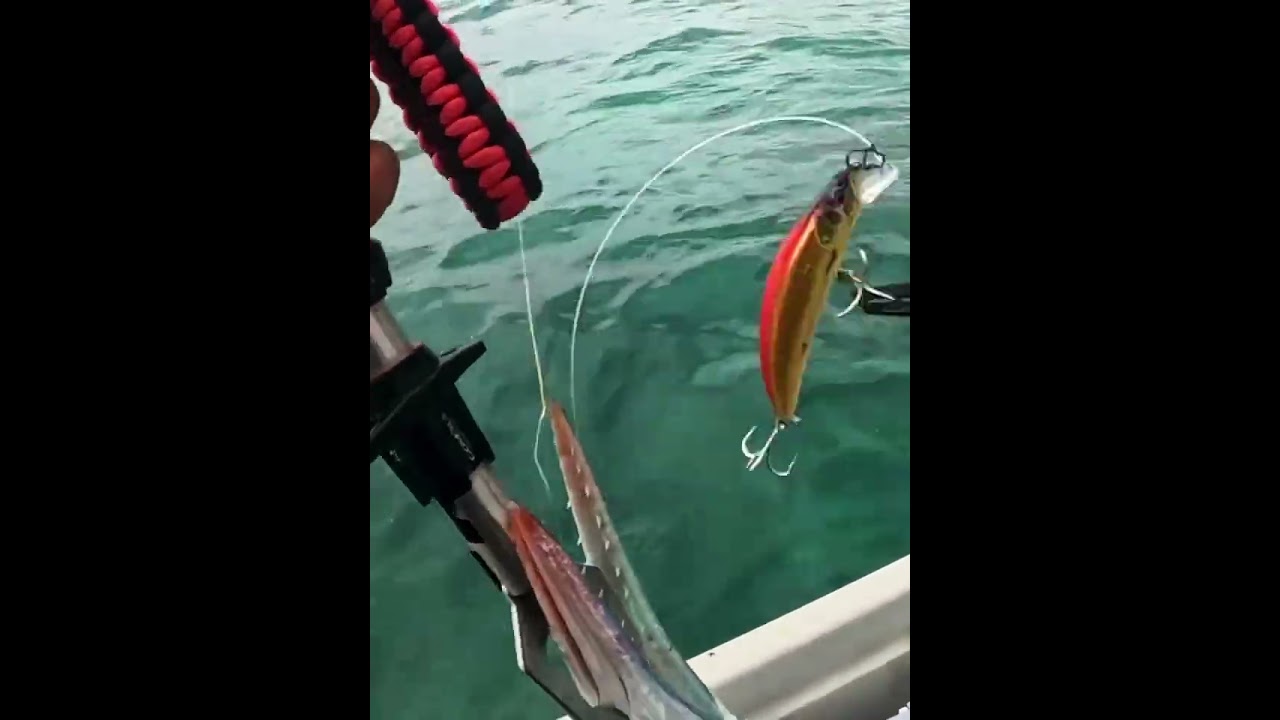
Use the hook for easy removal. One needs to fix the shank of the hook with a pair of long nose pliers or dehooker tool and then pull the barbs out along the curve of the hook when considering how to unhook a bass cleanly.
It consists of using the equipment in order to access the area of the gills without touching the gills. In order to break the barb free from inside the fish, you will need to gently rotate the hook shank down by 180 degrees before you can move the hook back outside of the mouth. If the hook is hooked deeply in important organs and bleeding heavily, cut the line as close to the eyelet as possible in order to allow the hook to fall off naturally.
3 Significance of Measuring and Weighing Your Trophy Bass
A Good Record of Length and Weight of Your Catch: You will want to put your bass onto a wet bump board in order to get the total length without losing any slime. You will weigh the fish, either in a wet weigh-sling or in a zeroed mesh bag that you can place on a scale without hanging it in the gills or the lip of the fish, completing a safe and seamless release cycle.
Part 03 Scientific Data & Safety Metrics
Knowing about the different physical and biological forces at work can help them maximize the Bass’s survivability rate once it is released.
| Method of Hook Removal | Average Time (seconds) | 24hr Survival rate (%) | Risk of Hook Injury to Angler (%) | Important Physics and Biological Aspects of concern |
|---|---|---|---|---|
| Hand Removal (Bare Hands) | 25 – 45 s | 78% | 18% – 25% | Friction covers over 30% of slime |
| Standard Short Nose Tool | 12 – 20 s | 88% | 5% – 8% | Four to five cm Limited Reach |
| Long Reach Anti-Corrosion Tool | 5 – 8 s | 96%+ | < 1% | Higher than 1:4 Mechanical leverage over 15 cm |
| Through the Gill Technique | 15 – 30 s | 85%+ | 3% | Need to implement a 180° turn |
| Line-Cutting Method for Gut Hooking | < 3 s | 70%+ | 0% | Involves cutting away after less than 1cm of the line use. |