

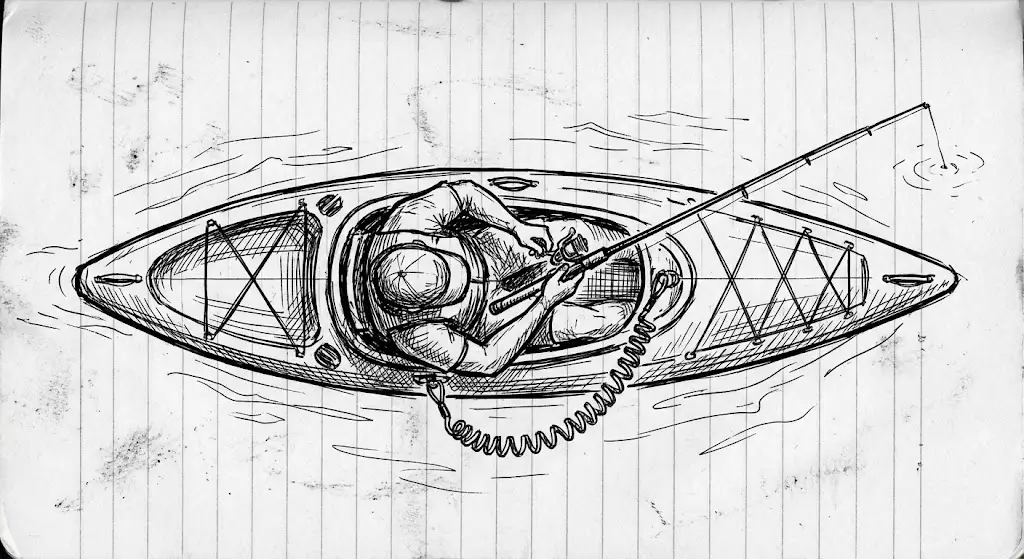
Kayak fishing is not only thrilling but also an engaging activity, but any loss of pricey equipment can spoil the whole fun. Whether you are paddling through choppy waves, fighting with a hefty fish or is caught unprepared by unexpected boat wake, a decent kayak rod leash is something that can help protect the investment you have made on your essential kayak fishing gear .
Why You Need a Kayak Rod Leash
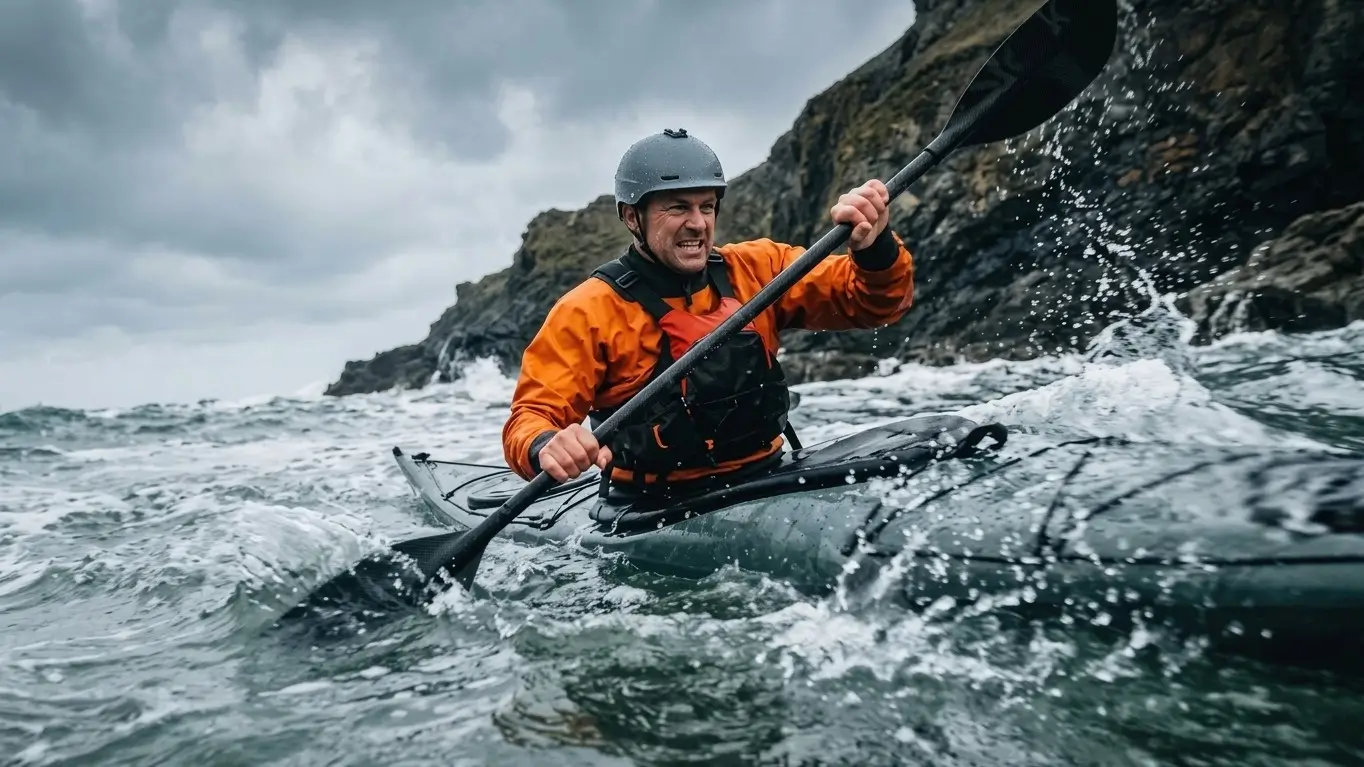
Visiting areas with strong currents or underwater obstacles as well as hitting regions of strong wind may cause capsizing of your kayak. In case you do not have a kayak rod leash, an unexpected turn will make all your fishing rods, spinning reels, and expensive tackle boxes sink straight into deep water. Besides gear tethering, anglers must also take steps to prevent reel sand damage when navigating sandy banks or shores.
When not controlled properly or attached with improper length ropes that are too long or tangled ropes are making a mess on the deck. Long lines and ropes stop any kind of operation when casting for fish and making some steps while using the paddle. It is better to choose a proper kayak rod leash that will not only keep your setup organized but also secure.
How to Select, Use, and Secure Your Equipment
Coiled polyurethane or TPU leashes are ideal for use with kayak rods because they keep their shape during transport and only stretch when the rod is pulled during a cast or fight.
Always attach the kayak rod leash to the structure of the kayak (slide tracks, pad eyes, or loops), rather than to yourself or any personal floatation device. This means that you will not be attached to the boat during a rollover.
These are high-density foam sleeves made of EVA that slip over the rod handle/lower blank. If the rod goes overboard, the float will keep it afloat and close to the surface for easy retrieval.
When launching and landing in surf zones, rods should be stored inside secured flush mounts or specialized horizontal rod holders as opposed to left on the deck.