.svg)


⚡ Quick Guide: Leader with Braided Line
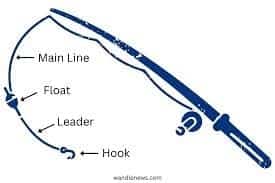
- Stealth & Invisibility: Braided line is opaque underwater. Adding a fluorocarbon leader makes your rig virtually invisible to line-shy fish.
- Abrasion Resistance: Braid frays easily against sharp rocks and timber; mono or fluoro leaders absorb heavy mechanical wear.
- Shock Absorption: Zero-stretch braid can pull hooks out of fish mouths; a mono leader adds crucial stretch during hard lunges.
- Best Knots: Connecting your braid to leader with an FG Knot or Double Uni Knot ensures smooth guide clearance and maximum knot strength.
Setting up your fishing reel with a leader with braided line is one of the most effective ways to combine brute winching power with stealthy finesse presentation. While braided line offers unmatched strength-to-diameter ratios and zero stretch for instant hooksets, tying braid directly to your lure can lead to spooked fish and unexpected snap-offs. In this guide, we break down why adding a leader transforms your fishing performance and how to rig it correctly.
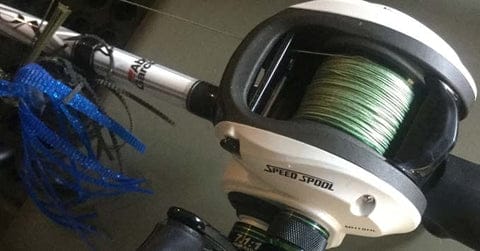
Why Braided Line Needs a Leader
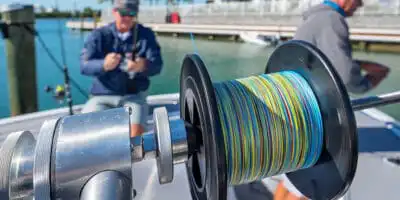
Braided mainlines excel at long-distance casting and bite detection, as documented by experts at Bassmaster. However, braid suffers from three distinct physical limitations when fished alone:
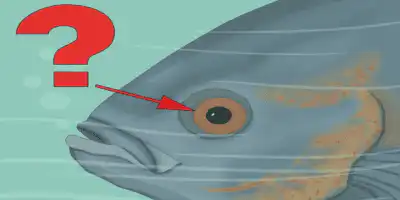
- High Underwater Visibility: Braid is woven from opaque polyethylene fibers. In clear water, fish easily detect the dark line profile leading straight to your lure.
- Low Abrasion Resistance: Braid possesses immense linear tensile strength, but sharp rocks, barnacles, or timber can sever tight braid fibers instantly under tension.
- Zero Stretch Cushioning: Because braid does not stretch, aggressive strikes or sudden head shakes can rip treble hooks straight out of soft fish mouths.
Fluorocarbon vs. Monofilament Leader Comparison
Selecting the right material when tying a leader with braided line depends on your target depth, water clarity, and presentation strategy according to fishing line optics specifications:
| Leader Material | Visibility & Optics | Stretch & Shock | Best Technique Application |
|---|---|---|---|
| Fluorocarbon | Nearly invisible (Matches light refraction of water) | Low stretch; excellent sensitivity | Clear water finesse, jigs, deep cranks & bottom contact. |
| Monofilament | Moderate visibility; supple texture | High stretch; maximum shock absorption | Topwater lures, poppers, live baiting & heavy shock rigs. |
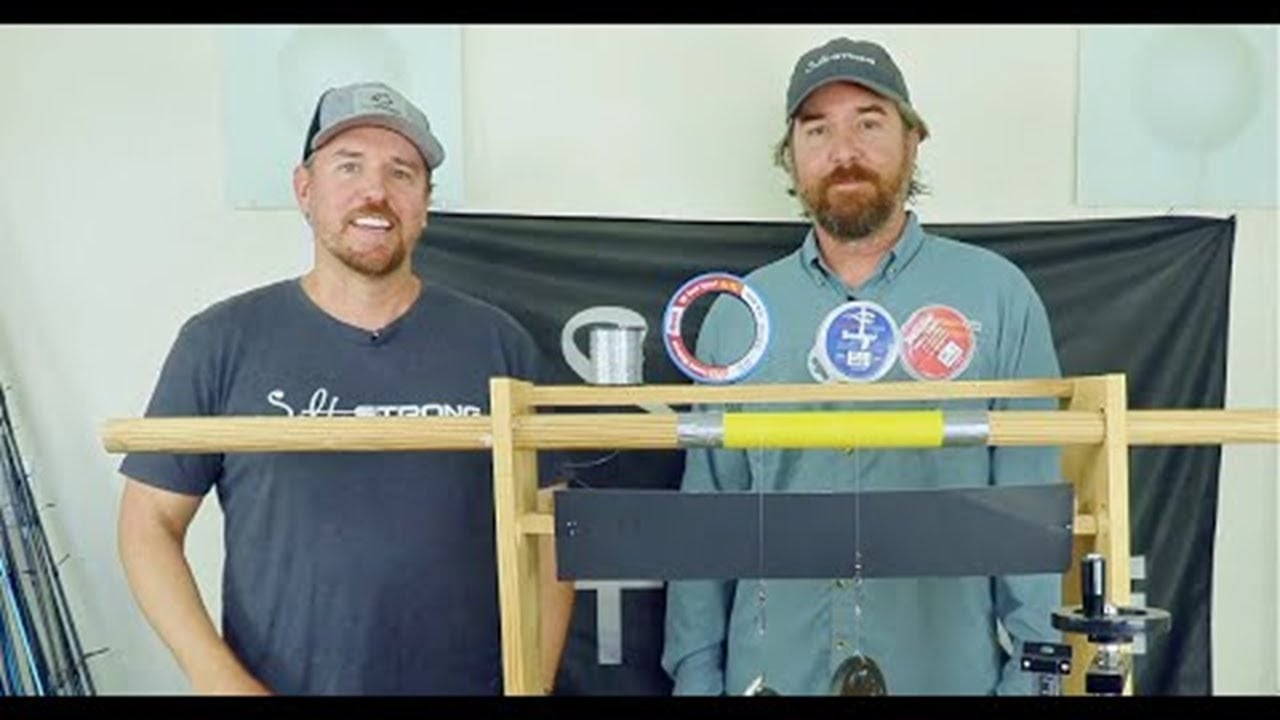
Video: Monofilament vs. Fluorocarbon Leader Lab Test
How to Connect Your Leader to Braided Line
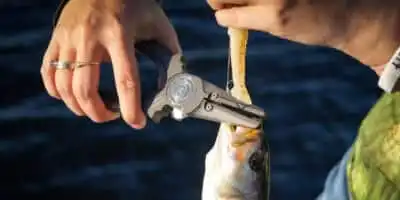
Connecting a slick braided line to smooth fluorocarbon or monofilament requires a dedicated line-to-line knot that easily passes through rod guides:
- FG Knot: The ultimate ultra-slim connection for casting. It offers 95%+ strength retention and glides through micro-guides with zero friction.
- Double Uni Knot: Quick, easy to tie on the boat deck, and highly reliable for light-to-medium tackle applications.
- Alberto Knot (Modified Albright): Compact and fast to tie, ideal for joining thin braid to heavier leader stock.
Maximize Your Braid-to-Leader Sensitivity with Gomexus Handles
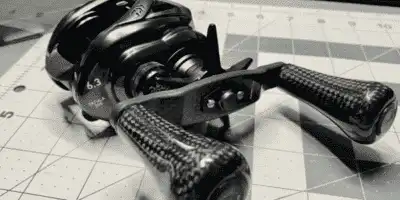
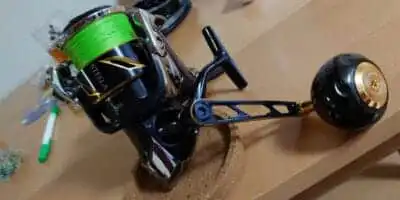
When fishing zero-stretch braid paired with a stealthy leader, every micro-bite counts. Upgrade your baitcasting or spinning reel with a Gomexus Power Handle & CNC Knob to eliminate gear play and transmit subtle tick strikes directly to your fingertips.
Recommended Leader Lengths for Common Fishing Scenarios
Choosing the correct leader length ensures maximum line protection while maintaining easy casting performance:
- Standard Inshore / Bass Casting (3 to 6 Feet): Short enough to keep the knot outside the reel spool, eliminating line friction during casts.
- Deep Vertical Jigging (8 to 12 Feet): Gives extra shock protection and stealth when dropping lures straight down in deep water.
- Heavy Surf & Jetty Casting (10 to 15 Feet): Keeps delicate braided line well above jagged rocks, shell beds, and heavy shore break.
Frequently Asked Questions (FAQs)
Q: Do I really need a leader with braided line in murky water?
A: Yes. Even in dirty or stained water, a leader provides vital abrasion protection against underwater debris, rocks, and fish teeth that easily slice through braided line under tension.
Q: Should my leader line be stronger or lighter than my braided mainline?
A: Typically, anglers use a leader pound-test that is equal to or slightly lower than their braid mainline so that if you snag on the bottom, only the leader breaks—saving your main line.
Conclusion
Fulfilling your setup with a proper leader with braided line gives you the best of both worlds: unyielding line capacity and stealthy presentation. By matching your leader material and knot connection to your fishing environment, you protect your gear, eliminate line visibility, and land more trophy fish with confidence.