.svg)
【Sloved】2026 Best Stainless Steel Boat Steering Wheel Problem Solver

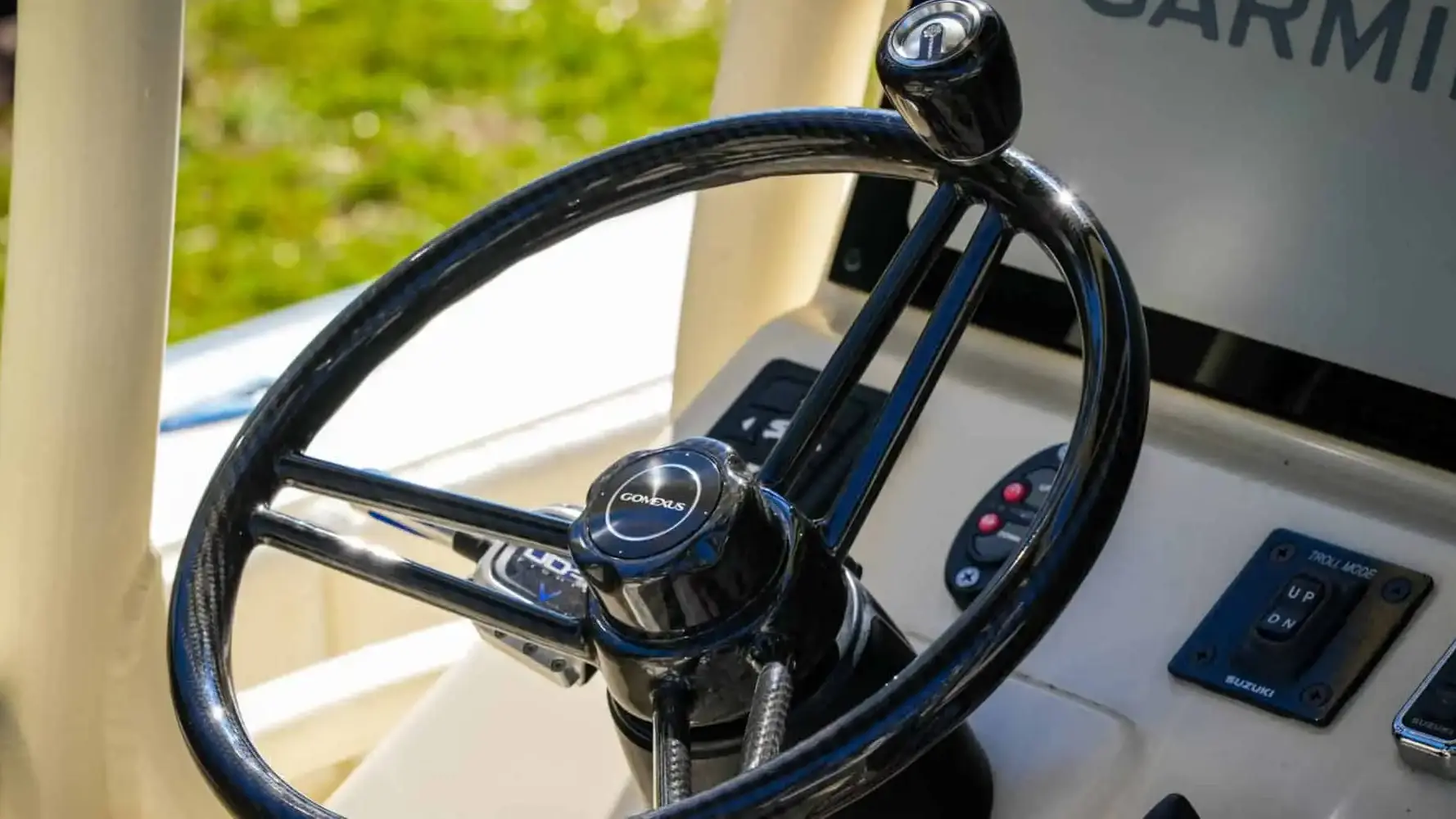
Replacing your boat steering wheel can greatly improve your driving, but it also presents a few difficulties when it comes time to search for the correct marine steering wheel. Whether you are battling a hot metal wheel or heavy steering fatigue, understanding these issues makes it much easier for you to choose the best stainless steel or carbon fiber steering wheel.
1. Key Challenges & Upgrade Solutions
1. Burning Metal
Problem From traditional stainless steel boat steering wheel designs, the intense solar rays are absorbed quickly, resulting in a burning hot steering wheel due to hot weather.
Solution Go for materials that do not conduct heat, such as advanced composite and carbon fiber materials.
Featured Upgrade 13.5″ Carbon Fiber Boat Steering Wheel: Made from 100% 3K carbon fiber which has excellent thermal insulation, ensuring it stays pleasantly cool in direct sunlight.
2. Heavy Weight and Arm Fatigue
Problem Heavy stock metal wheels create unnecessary inertia and pressure on the helm, which leads to extreme arm fatigue during steering in bad conditions.
Solution Switch to lightweight materials that eliminate helm pressure and deliver effortless responsiveness.
Featured Upgrade 13.5″ Carbon Fiber Boat Steering Wheel: Designed to be the lightest weight option (601g or 1.3 lb) with a built-in smooth bearing knob for precision handling.
3. Difficult Installation and Mismatched Hubs
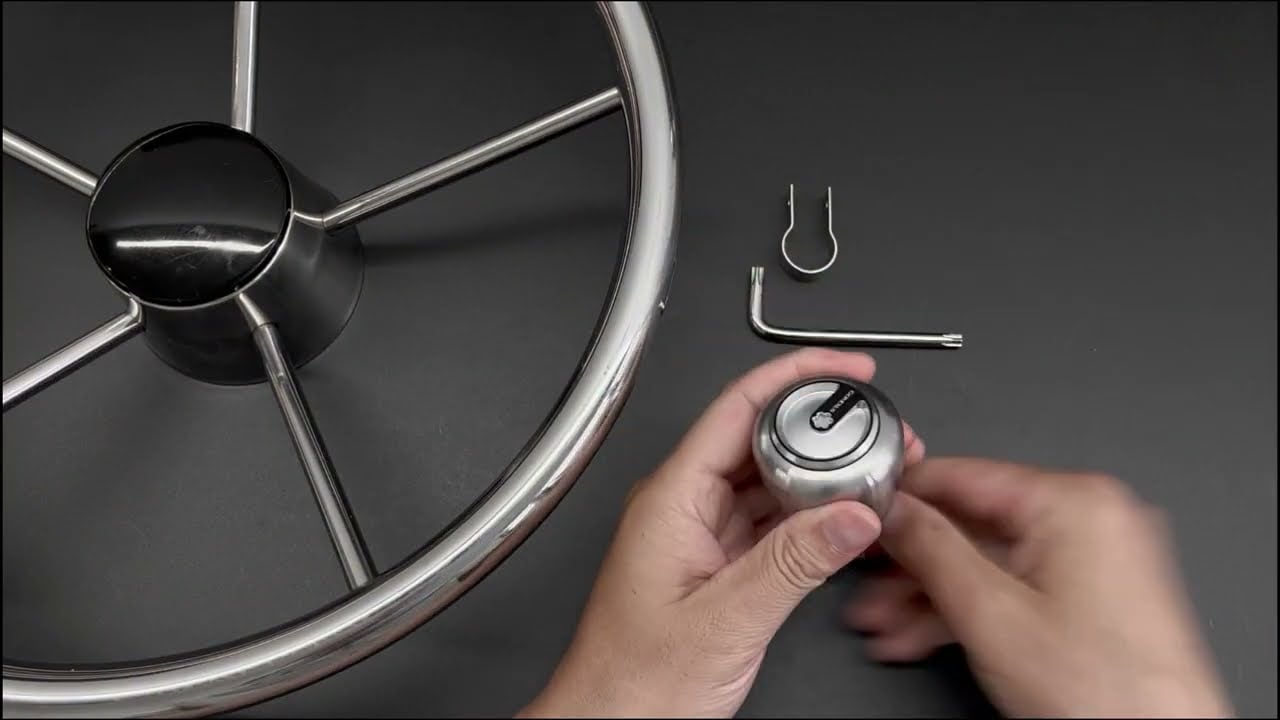
Problem Many boaters face significant trouble during a marine steering wheel upgrade because their tapered shafts don’t fit, lack keyways, or miss mechanisms to fasten the wheel securely.
Solution Use universal compatibility kits for standard tapers that contain all fastening hardware. If you are looking for a complete step-by-step walkthrough on how to Install Boat Steering Wheel securely, proper hardware alignment is key.
Featured Upgrade 13.5″ Carbon Fiber Boat Steering Wheel: Offers the ultimate universal fit, seamlessly matching standard 3/4-inch tapered shafts.
4. Saltwater Damage and Rust
Problem Regular metals used in standard steering wheel designs get damaged easily in saltwater conditions, leading to rust and surface deterioration.
Solution Opt for UV coating and anodized aluminum. For deeper customization of your helm layout and a complete Center Console Setup Guide, upgrading resilient hardware protects your boat against harsh marine elements.
Featured Upgrade 13.5″ Carbon Fiber Boat Steering Wheel: Crafted from high-grade materials and protective coatings, offering superior resistance against harsh saltwater environments.
2. Marine Steering Systems Comparison
Compare performance, horsepower rating, and maintenance demands across key marine steering technologies to complement your helm upgrade:
| Performance & Economic Metric | Mechanical Steering (Cable) | Hydraulic Steering System | Electric Power-Assist / EPS |
|---|---|---|---|
| Recommended Horsepower | ≤ 90 HP (Entry-level, lightweight hulls) | 90 HP – 300 HP (Standard single/twin setup) | ≥ 150 HP to Multi-engine (High-performance & heavy center consoles) |
| High-Speed Steering Resistance | Increases significantly with speed and propeller torque | Light and steady, largely isolated from water pressure | Smart-adjusted resistance (feather-light at dock, firm at high speed) |
| Feedback and Steering Play | Direct mechanical feedback with noticeable cable backlash/play | Zero reverse torque feedback, minimal hydraulic play | Electronically tuned programmable haptic feedback and custom feel |
| Initial Purchase Cost | Low ($100 – $300) | Moderate to High ($500 – $1,500) | Premium high-end integrated multi-cylinder pricing |
| Typical Product Lifespan | Approx. 5 – 10 years (prone to cable corrosion & binding) | Approx. 10 – 20 years (requires periodic seal maintenance) | High mechanical durability, dependent on electronic modules |
| Routine Maintenance Needs | Regular cleaning, anti-rust lubrication, and occasional cable swaps | Periodic fluid level inspection and system bleeding procedures | Automated system self-diagnostics and firmware/software updates |