.svg)

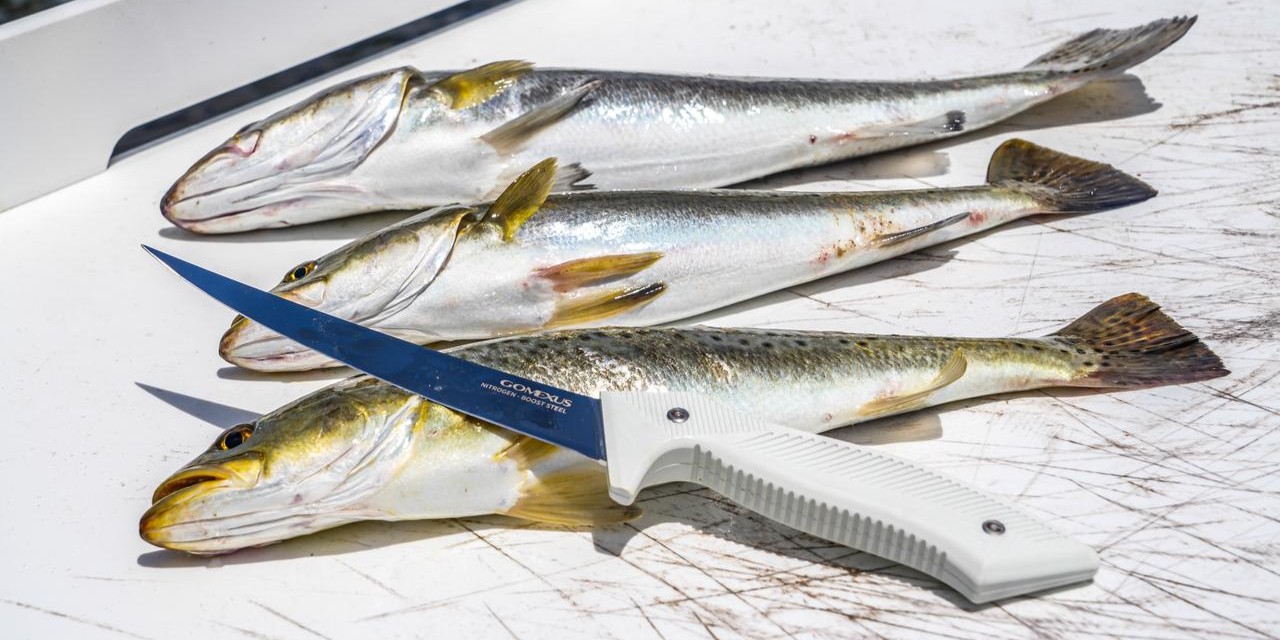
Can you fillet a fish on the boat? If you want to save time at the dock and keep your catch fresh, this might seem like the best cheat. But you should weigh the requirements of wildlife laws, unstable waters, slippery decks, and very sharp knives when determining whether you can fillet a fish onboard a boat.
1. Is It Legal to Clean Fish on Shore or Boat Before Going Home?
- The Problem: Instead of asking how to clean and prepare your catch, you need to figure out if you can fillet fish aboard a vessel. Fishermen generally want to know if they can fillet fish on the shore before heading home or even cook whatever they catch. In many coastal areas (including those regulated by Florida FWC as well as federal regulations when it comes to fish), fish caught with minimum length and maximum bag restrictions must arrive in the form of whole fish. Failure to do so means a huge fine, confiscation of gear, and potential criminal charges if the officer happens to board the vessel and spot them.
- The Solution:
- Under no circumstances should you fillet fish in a regulated species with size limits while in international waters. Keep them in their entirety, cleaned and iced, until you reach a designated marina.
- Only fillet fish in unregulated species in waters where you are permitted to do so through local laws.
- Your state may allow you to consume fish right offshore, but you need to adhere to local retention limits.
2. Choppy Swells and Bloody Decks: Dangerous Knife Slips on the Spot
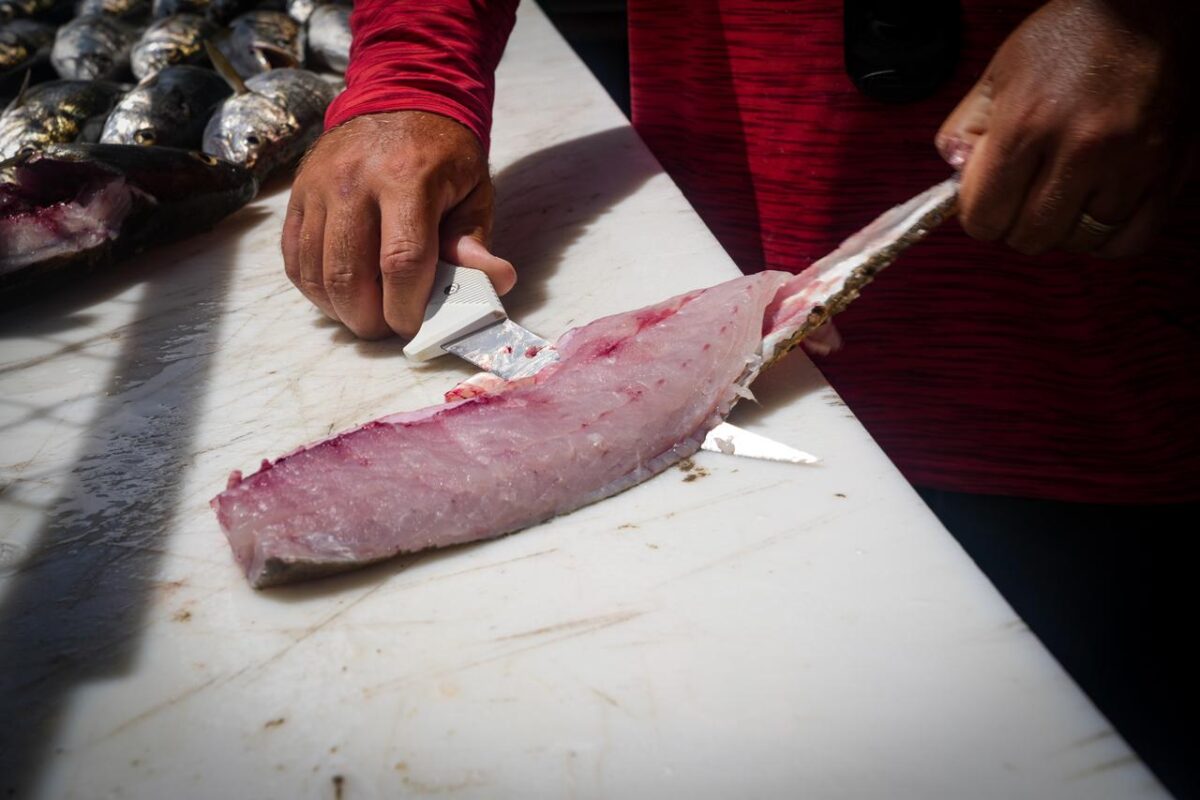
- The Problem: When fishermen embark on the practice of ” how can you fillet a fish on the boat,” deck stability takes on extreme importance–possibly even making the difference between life and death. So, can you fillet a fish on the boat during rolling swell? Wet nonskid decks, unforeseen wakes, and slimy fish mucus create dangers to balance and grip. Even one rogue wave could plunge a flexible filleting knife into fingers, hands, or thighs. With emergency assistance far afield, offshore cuts can quickly turn into dire emergencies.
- The Solution:
- It is important to put on a cut-resistant glove that is ANSI-approved on the hand that is not the dominant hand of the user before trying to touch any fish.
- Cleaning fish should never be done while on a moving boat or in rough water conditions. Fish should only be cleaned after anchoring in a calm place.
- Always make sure to cut away from your body and keep the free hand of the user far behind the edge of the knife.
3. “Cleaning and Eating Fish While on the Water”: Unstable Workstations and Meat Waste
- The Problem: The idea of “cleaning and eating fish on the water” often differs from the realities of ergonomics on small boats. Is it possible to fillet fish on your craft without spoiling the best cut? Without proper preparation area, fishermen are forced to bend over cooler boxes, hatches, or gunwales, which definitely does not help in making quality cuts, tearing soft meat, missing the spine, and getting lots of meat stuck to the body.
- The Solution:
- Install a specialized cleaning table with a high-density polyethylene rod holder at an ergonomic height that is secure from vibration when on a boat.
- When cutting on a cooler lid, place a heavy, damp towel or a textured silicone mat under the cutting board to avoid any sliding.
- When cutting, use even constant glide cuts rather than a forceful chopping technique.
4. How Can You Fillet a Fish on the Boat Without Meat Spoilage?
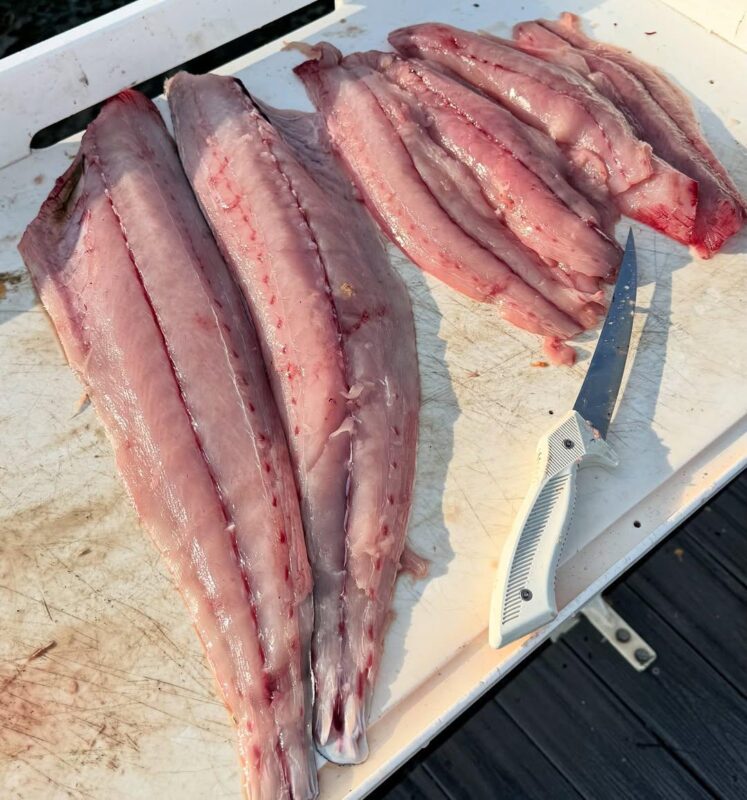
- The Problem: When anglers try to find “how to clean fish,” they often lead to unwanted results with top quality fillets due to cross contamination and inefficient cooling. Cleaning fillets using harbor water brings harmful bacteria into the product. Even worse, the use of ice melt from fresh water leads to soaking the fillets in this water, which makes the sashimi mushy and deteriorated.
- The Solution:
- Wipe off every fillet dry with a spotless paper towel immediately after skinning—never allow exposed flesh to stay in melted freshwater.
- Pack all equally fillets in the heavy-duty ziplock bag or food-grade vacuum wrappers before putting into a refrigerator.
- Put the sealed packet of flesh in a concentrated salt-water-and-ice mix to lower core temperature to 32°F instantly without the flesh itself being in direct contact.
5. Blood, Entrails, and Shark Encounters on the Water
- The Problem: Before deciding to fillet a fish on board, remember the wildlife that you’ll attract. Disposing of fish heads, guts, and carcasses right into the water next to your fishing spot will attract sharks, sea lions, and pelicans to your boat in no time at all. In addition to causing fish to stop biting, the presence of so much wildlife will hinder your efforts in retrieving the fishing gear. Fish blood and oil will also get into the gelcoat of the boat and create slippery conditions on deck.
- The Solution:
- Store a designated 5-gallon chum bucket for waste products like heads, spinal cords, and entrails, rather than disposing of them piecemeal over the side.
- Dispose of scraps only when departing the zone or when offshore.
- Keep the raw-water washdown hose running at the cutting station and on the deck so that blood does not dry on non-skid surfaces.
In the end, can you fillet a fish on the boat? Sure enough—given that the type of fish is legal and you should have the proper gear for safe work. Blade handling in limited space that keeps moving and splashes with salt is very important.
- Check out our top-rated recommendations for the Best Fish Fillet Knife for Boat to find a high-flexibility blade that effortlessly traces bones on shifting decks.
- Streamline your landing routine with these essential Fish Unhooking Tool Techniques for a faster, safer catch-to-cooler transition right after dehooking.