.svg)

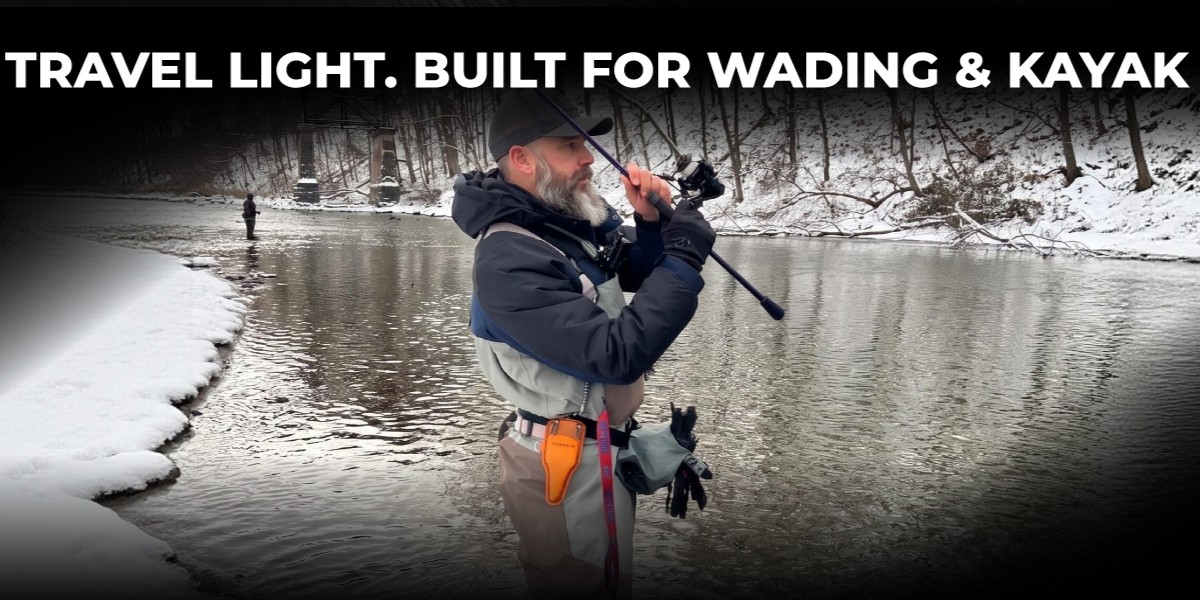
1. Essential Gear Setup Before Unhooking Toothy Species
Proper unhooking starts before the fish even hits the net. Prepare these tools within arms-reach:
| Tool | Primary Purpose |
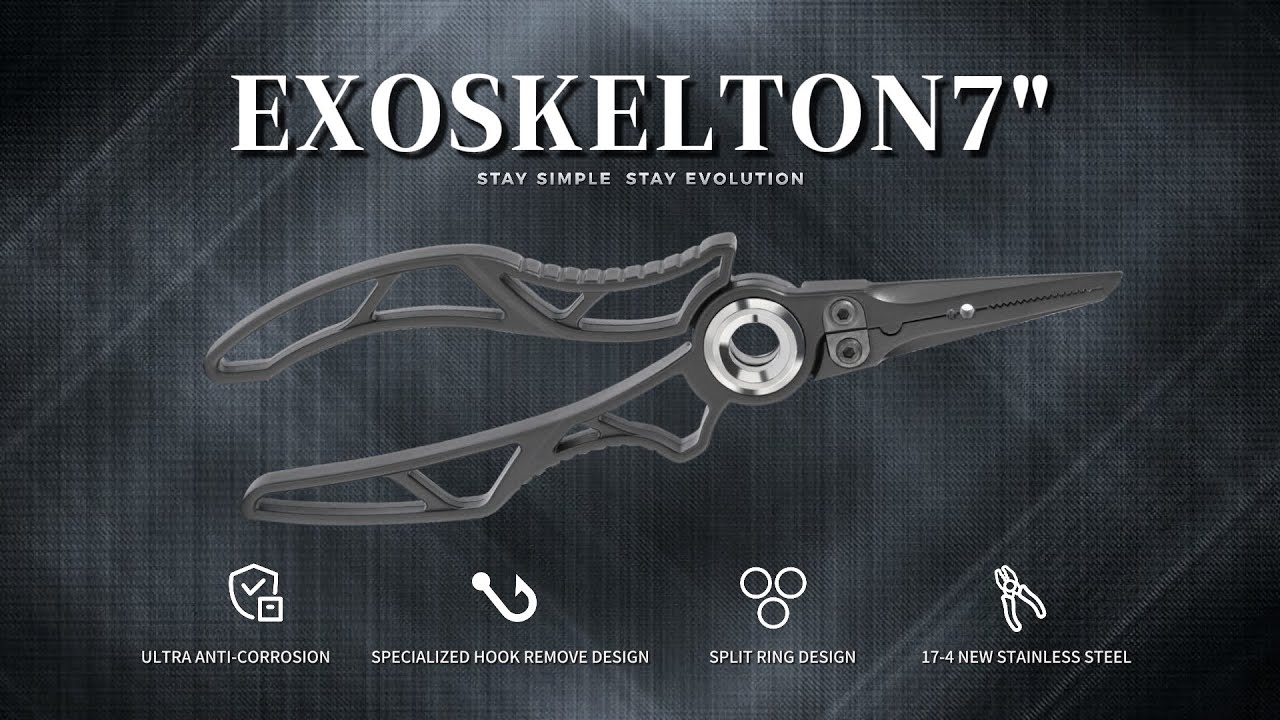
| Fish Unhooking Tool (Long-nose pliers or pistol-grip remover) | Primary device that is used to remove fish hooks from the mouth of the fish. |
| Floating Fish Grip | Used for mechanically stopping the fish from moving while the hooks are being pulled out. |
| Heavy-Duty Cutters | Cuts the hook pin if the fish is hooked by the guts or stuck in the net. |
| Rubber Mesh Landing Net | Enables the fish to remain in water without losing its slime coating. |
2. Step by Step: Use a Fish Unhooking Tool on Toothy Fish
Stage 1: Keep the Fish Under Water
During the time you set up your equipment, keep the fish submerged in the rubber net and don’t allow it to flop around on dry surfaces of the boat. Use a grip for holding the fish’s jaw with the help of the grip mechanism in order to stop its head from making hazardous movements.
Stage 2: Verify that You Can See Everything Clearly
Use the leader to ensure that the hook eye will appear correctly. Something sharp needs to be inserted into the mouth of the fish in line so that the blunt ends will not prevent the further operation from taking place.
Stage 3: Grab the Hook Part Rather than Its Shank
Mouth portion of the unhooking tool should be adjusted particularly to the curve of the hook of the barb. Grabbing the hook shank is not a good idea because it may end in torque which can break the hook more easily.
Step 4: Remember to Apply Proper Direction of Movement
Do not pull the hook straight but rather use the technique of pushing the hook towards its original direction.
Step 5: Extract Smoothly and Revive
Lift the lure clear of the mouth cavity in one fluid motion. Keep the fish upright in the current, holding the tail until it kicks strongly away under its own power.
3. Troubleshooting Deep Hooks with a Fish Unhooking Tool

When a predatory fish swallows a bait completely, using the regular unhooking angles could tear major gill arches or tearing the esophagus wall.
- The Method of Removing the Hook via the Gill: When the sharp hook point still lies visible in its gill slit, pass the removable tool underneath the gill plate and make sure that the tool does not touch any of the red-colored and bleeding gill filaments. Hold the hook bend from behind, and turn the hook point down, and take the hook out into the throat area and remove it through the mouth.
- Using Scissors for Hooks: When the treble hook is located close to gullet, do not try to pull it out. Instead, use the side-cutters and cut the hook points or the rings making sure that the barb would remain.
4. Best Maintenance for Your Fish Unhooking Tool
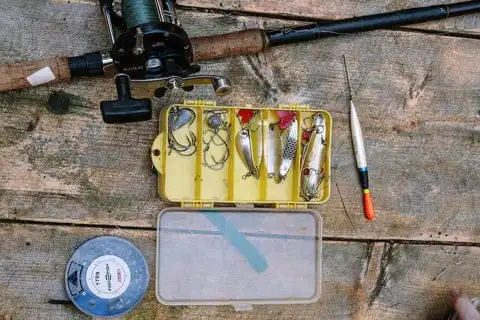
The use of poor-quality metals can be devastating due to the presence of salt water and teeth enamel that can corrode them. To prevent severe corrosion, you need to use a fish unhooking tool made of either aircraft aluminum, high-grade stainless steel or pure titanium. Make sure to wash your hinge assembly with fresh water every time you return from your trip, lubricate the pivot screw with synthetic reel oil, and store your tool in a quick-draw molded sheath tied down with a coiled lanyard.
If you want to keep your fish, it is very important to enhance your fishing gear and get a Saltwater Fish Fillet Knife made from corrosion-resistant material. Make sure you take the hook out before you try out Fillet a Fish on Boat Safely the right way.