.svg)


Why Preventative Maintenance Wins More Battles
Fishing is an investment in adrenaline, patience, and high-performance gear. However, the marine environment is inherently hostile. Saltwater crystallization, UV degradation, and hidden moisture are silent killers that can turn a premium setup into a stiff, rusty liability.
Implementing a strict post-trip maintenance routine ensures your equipment operates at peak performance, preserving that “out-of-the-box” smoothness when a trophy fish is on the line. Here is a definitive guide to maximizing the lifespan of your fishing gear.
1. Reel Maintenance: Preserving Mechanical Smoothness
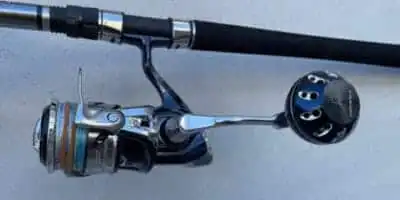
The fishing reel is a masterpiece of precision engineering, making it the most vulnerable to saltwater intrusion. Knowing how to care for fishing reels correctly will save you hundreds of dollars in replacement parts.
- The Cold-Water Rule: After every saltwater session, rinse your reel under a gentle stream of cold fresh water. Never use warm or hot water, as it melts and washes away the internal gear grease.
- Lock the Drag First: Always tighten your drag star completely before rinsing to prevent water from penetrating the carbon drag washers. Loosen it back up for storage.
- Strategic Lubrication: Periodically apply specialized low-viscosity reel oil to exposed bearings (like the line roller) and heavy grease to the main gears.
Pro Tip: Upgrading to corrosion-resistant components, like Gomexus Aluminum/Titanium Power Knobs, reduces the metal-on-metal wear points that saltwater typically exploits.
2. Fishing Line Care: Preventing Breakage and UV Aging
Your fishing line is your only direct link to the fish. Understanding fishing line lifespan prevents heartbreaking breakages.
- Shield from UV Rays: Ultraviolet light is the enemy of monofilament and fluorocarbon. Store your spools in cool, dark tackle lockers—never leave them baking on the deck or in the back of a hot truck.
- The Friction Check: Run the last 10 feet of your line through your fingers after every trip. If you feel any nicks or rough texture from rocks or structure, clip it back immediately.
- Respool Timelines: For heavy usage, replace monofilament every 3–6 months. High-quality PE braid can last 1–2 years but should be reversed on the spool annually to expose the fresh, unused half.
3. Hook and Tackle Care: Maintaining Razor-Sharp Hooksets
A dull hook or a corroded swivel will drastically reduce your hook-up ratio. Effective fishing hook maintenance is non-negotiable.
- Segregate the Salt: Never throw a used lure or hook back into a box with unused tackle. The residual salt moisture will contaminate the entire tray.
- The Silica Gel Trick: Drop moisture-absorbing desiccant packs into your utility boxes to eliminate micro-humidity.
- Hone the Edge: Use a diamond hook-sharpening stone to dress the point of your hooks. If a hook point doesn’t easily scratch the surface of your fingernail when dragged across it, it’s too dull to penetrate a fish’s bony jaw.
4. Rod Maintenance: Preventing Micro-Fractures and Guide Failure
Fishing rods are built to bend, but they require proper care to prevent catastrophic rod breakage under heavy loads.
- Scrub the Guides: Salt builds up inside the ceramic ring of your guides. Wipe them down with a soft cloth and mild soap to prevent abrasive salt crust from slicing your fishing line.
- Mind the High-Sticking: Never bend the rod past a 90-degree angle relative to the fish (high-sticking). This concentrates all the load onto the fragile tip section rather than the powerful backbone of the blank.
5. Proper Storage: The Off-Season Blueprint
How you store your fishing equipment determines how it performs during the next season opener.
- Vertical Storage: Store rods vertically in a rod rack or horizontally supported at multiple points. Never lean them against a corner, which creates a permanent “set” or warp in the blank over time.
- Back Off the Tension: Back off the drag clickers on all reels during long-term storage to prevent the washers from compressing and losing their smooth startup inertia.
🙋♂️ Expert FAQ: Longevity & Repairs
How long does fishing gear typically last?
With proper, meticulous maintenance, your gear can easily survive decades of abuse:
– Rods: 5–10+ years (barring high-sticking or car door accidents).
– Reels: 5–15+ years (if regularly deep-cleaned and greased).
– Braided Lines: 1–3 years; Mono/Fluoro: 6–12 months.
– Lures and tackle: 5+ years with proper care
How can I fix or restore fishing rod durability?
If your rod shows signs of structural wear, handle it systematically:
1. Inspect for Splinters: Run a cotton ball over the blank; if it catches fibers, you have a dangerous micro-fracture.
2. Restore Cracked Guides: Do not try to unscrew them. Carefully slice the old epoxy thread wrap, remove the damaged guide, and re-wrap a new guide using dedicated rod-building thread, finished with a fresh coat of two-part marine epoxy.
3. Clean the Reel Seat: Use a soft-bristled toothbrush to remove sand and salt from the reel seat threads to ensure a rock-solid reel lockup.
Implement these steps to enhance the longevity of your fishing rod.
Consistency Is the Ultimate Upgrade
At the end of the day, premium rods and smooth drag systems are only as reliable as the maintenance they receive. The ocean always finds the weakest link in your setup—whether it’s an unrinsed line roller or a salt-crusted guide. By making this pro-grade care routine a non-negotiable ritual after every outing, you ensure that your gear maintains its peak engineering tolerances for seasons to come.
Keep your tackle organized, respect the salt, and never cut corners on the washdown deck. Tight lines, and we’ll see you out on the blue water!
Related posts





Leave a Reply
You must be logged in to post a comment.
One thought on “Pro-Grade Care: How to Extend the Lifespan of Your Fishing Gear”
123123