.svg)


Fishing in Washington DC, with its iconic Anacostia and Potomac Rivers, offers anglers a surprisingly world-class fishery right in the shadow of the nation’s capital. From hard-fighting largemouth bass to massive blue catfish, these urban waters are teeming with life. However, because these rivers are entirely tidal systems, understanding the water movement is the absolute key to maximizing your catch rate.
Many beginner anglers get frustrated when they fish for hours without a bite, unaware that fish change their positions completely depending on the stage of the current. In this tactical guide, we’ll break down the fundamentals of tidal physics and share proven tips for successfully navigating the waters of the District.
Understanding the Mechanics of Tidal Waters
Tides are the regular rise and fall of river and sea levels caused by the gravitational pull of the moon and the sun. In the Potomac and Anacostia River systems, these cycles create moving water currents that dictate exactly when and where predator fish will feed.
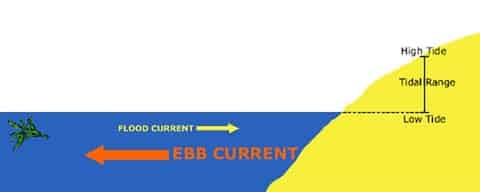
- High Tide (Flood Peak): The apex of the cycle when water levels are highest, pushing fish deep into shoreline structures, weed beds, and flooded timber.
- Low Tide (Ebb Trough): The lowest point of the cycle when draining water forces baitfish and bass out of shallow cover and concentrates them into deeper river channels and drop-offs.
- Tidal Range: The vertical height difference between high and low tide, which determines the overall speed and volume of the moving current.
The Myth of Constant Motion: Finding the Feeding Windows
While river water is technically always moving downstream, the velocity and direction of the current fluctuate wildly throughout a 24-hour cycle based on ocean influences. Professional captains targeting bass or catfish in DC focus on two primary phases:
- Prime Fishing Times (The Moving Tide): As a gold rule of thumb, the most productive fishing occurs during the middle two hours of a rising (flood) or falling (ebb) tide. This is when the water velocity spikes to its fastest rate, washing disoriented crawfish and baitfish past underwater ambush points, which triggers an aggressive feeding frenzy among largemouth and striped bass.
- The Reality of Slack Water: Slack water is the brief window at the dead peak of high or low tide when the current stops completely before reversing direction. While many anglers consider slack water a “dead zone” because fish stop chasing fast-moving search baits, it can actually be highly productive if you slow down your presentation and dead-stick soft plastics or drop-shots directly into deep river cover.
Pro Tips for Tidal Fishing in Washington DC
- Always Consult Local Tide Charts: Before leaving the boat ramp, check the specific NOAA tide tables for Alexandria or the Washington Channel to time your trip perfectly with optimal water movement.
- Match Your Bait to the Current Stage: During peak moving tides, utilize high-vibration moving baits like crankbaits or chatterbaits. During slow or slack water, switch to jigs or Texas-rigged worms.
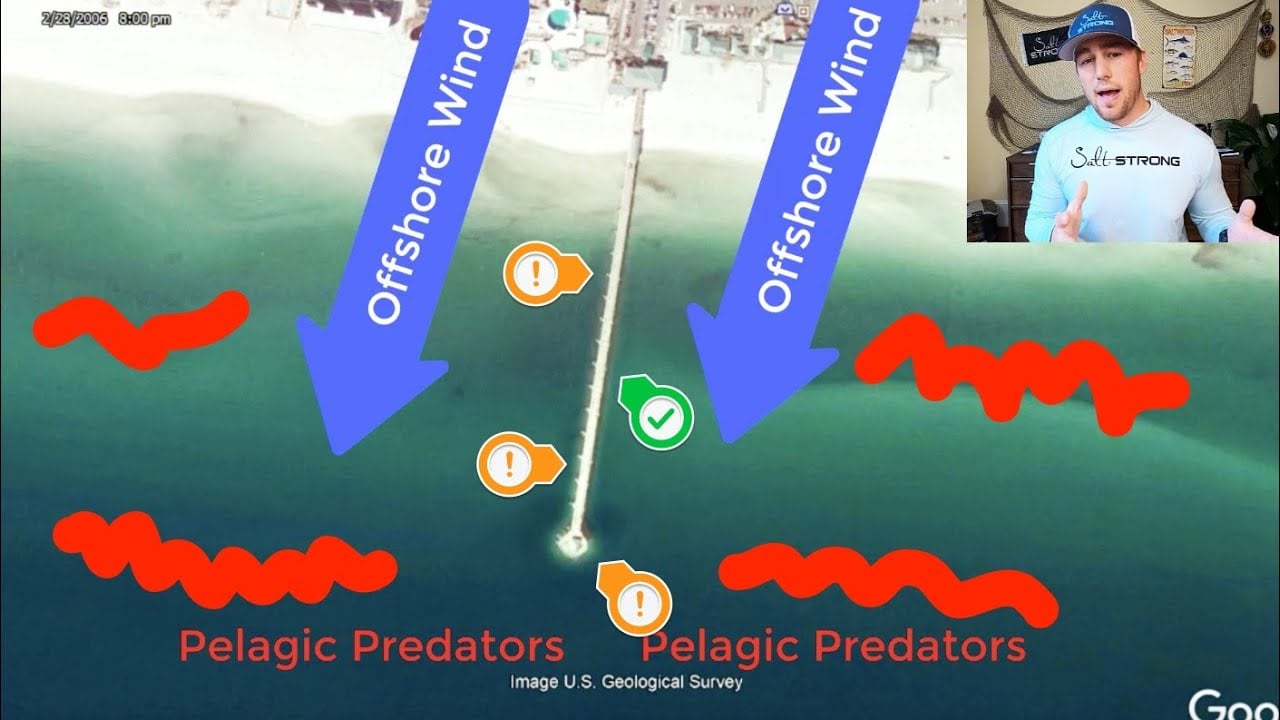
- Target Tidal Bottlenecks: Look for bridges, rocky points, and wing dams along the Potomac. These structural obstructions compress the moving tide, creating perfect eddies where predatory fish sit and wait for food to pass.
- Observe Bird Activity: Keep an eye on herons and gulls along the Anacostia seawalls. If birds are actively diving, they are tracking baitfish being pushed to the surface by the incoming current.
Conclusion & Advanced Tactical Preparation
Understanding the rhythmic physics of tides is what separates a novice angler from a consistent producer when fishing in Washington DC. By timing your runs with heavy current movement and selecting the correct ambush locations along the Potomac, you will significantly stack the deck in your favor.
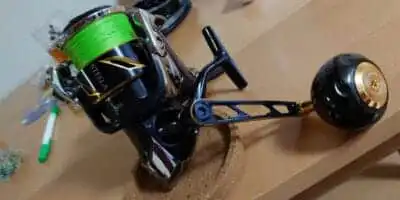
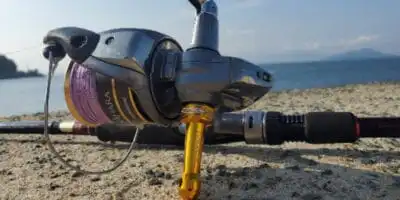
Wrestling heavy river currents and constant casting requires absolute tackle control. To elevate your responsiveness on the Potomac, consider upgrading your spinning or baitcasting setups with our tournament-proven handles or high-grip Gomexus Custom Fishing Reel Knobs. Upgrading your reel knob enhances micro-sensitivity, allowing you to detect the faintest slack-water tick against a heavy current.
Additional Local Resources:
- Get Your License: Remember that a valid Washington DC fishing license is strictly required by the DDOE for both rivers.
- Study the Ecosystem: Research seasonal migration patterns of snakeheads and blue catfish in the Potomac River channels.