.svg)
Tag Archives: fishing tips
-
 Loading More
Here's a tip for every angler: never hit the water without a trusty pair of fishing pliers. This crucial tool is, for whatever reason, often one of the most overlooked items among anglers. These aren't just any old tools; they're your ticket to landing that monster catch, whether it's swimming in saltwater or freshwater. Imagine the heartbreak of hooking a prize fish when reeling in and finding the pliers broken! The difference between a good pair and a cheap one? It's like night and day. A low-quality set will rust and fail you in no time, while a top-notch model will be your loyal companion for years. Gomexus Plier X Titanium Fishing Pliers are here to solve those problems and transform your fishing experience.
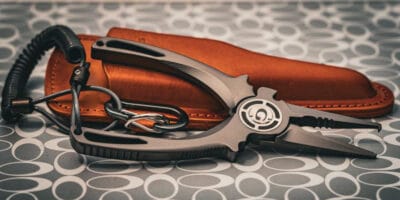
Premium Titanium materials
Corrosion and rust are anglers' worst nightmares. Have you ever used some cheap pliers? You may think everything is perfect at the beginning. While things changed after some time, the plier was corroded. After all, saltwater and freshwater environments can be unforgiving on metal tools. Gomexus has addressed this issue head-on with their Titanium fishing pliers, pliers constructed from TC4 (Ti-6Al-4V) titanium alloy, Corrosion? Rust? Impossible. The pliers are not just corrosion and rust-resistant but also lightweight(150g/ 5.3oz) and incredibly strong. The titanium material also ensures durability and reliability, If you are good about keeping up with your gear they will last you a lifetime and could be passed down and last another lifetime if taken care of.
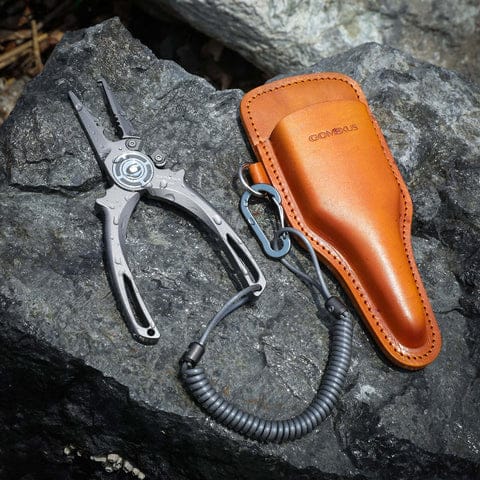
Premium Tungsten Carbide Blade
We totally understand there is a challenge in cutting lines with traditional fishing pliers. That's why they've included premium tungsten carbide blades that effortlessly cut through mono, braided, and fluorocarbon wires.
Compared with some other high-end fishing pliers, such as those mentioned by anglers who complained about their limited functionality and expensive replacement parts, Gomexus pliers offer a comprehensive package without any such issues. To ensure you're never without a sharp blade, Gomexus provides three spare tungsten blades and wrenches at no additional cost.
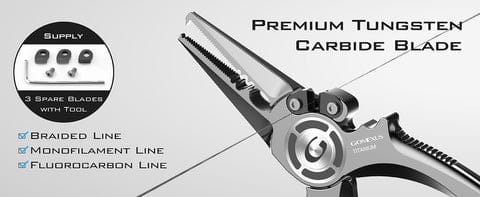
Split Ring Design
Gomexus fishing pliers are equipped with a split ring design that fits rings from 3# to 12#, making it easy to swap out lure rings in any fishing environment. The multifunctional serrated jaws grip hooks securely and can even crimp split short weights or build steel leaders. No more struggling with damaged hooks or tangled lines; these pliers make it all a breeze.
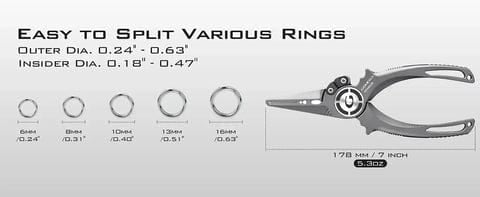
Multifunctional Serrated Jaws
Serrated jaws grip hooks cinch knots with ease, crimp a split short weight, build steel leader, and bend hook design for your better use during any fishing trip.
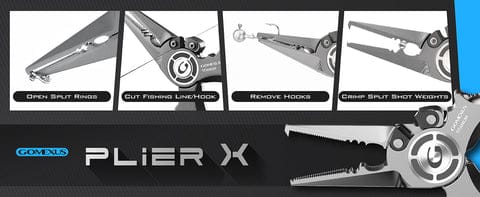
Convenient and Comfortable
The Gomexus Plier X Titanium Fishing Pliers, measuring 7 inches, feature an ergonomic, non-slip grip design and an engraved fingerprint pattern inside for a more comfortable and secure hold. The spring-loaded function adds to its convenience, making it easier to use with your hands.
Safe and Portable
We know titanium is not cheap and will last a lifetime but we are worried every time we go out we may lose them. So We provide a selection of top-notch leather holsters with belt clips, and each pair of pliers comes equipped with a military-grade coiled kevlar lanyard and a saltwater-resistant carabiner. You can use one to hook to a fishing backpack and the other end to your pliers.
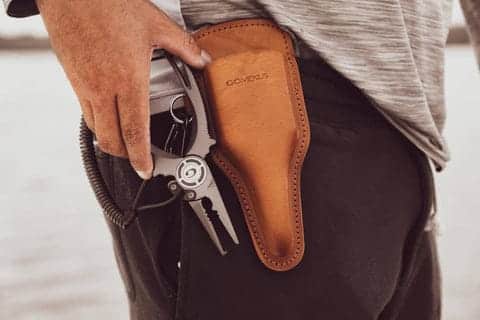
Final Thoughts on the Best Fishing Pliers
Many of us tend to opt for spending as little as we can on these often overlooked tools, reasoning that a pair of cheap pliers from the hardware store or on sale will work just fine and won't hurt as much if they fall overboard. However, when the corroded pliers lead to missing out on a trophy fish or wasting a whole day on the water, the importance of having the right tool suddenly becomes crystal clear. Don't worry, we have a lifetime warranty. If you’re looking for a quality pair, here are the best fishing pliers we customized for you.
-
 Loading More
Sounds crazy, right? Well, catching a game fish onto your reel can be equal measures exciting and daunting. When a highly sought-after fish is hooked with your reel, and you start rotating the handle to pull back the spool revealing a large bass caught in the hook, that feeling is just something else!
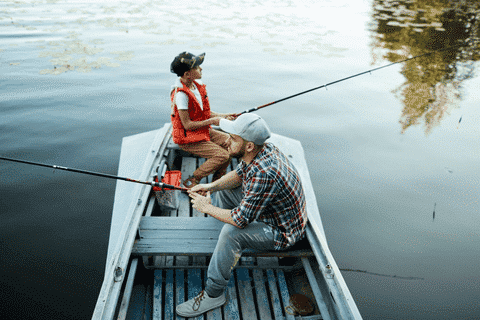
Modern bass fishing is now a multi-million dollar industry. Due to the rising popularity of bass fishing as both a professional sport and recreational activity, many technological advancements have been made regarding its equipment. From hooks, reels, lines, lures, and fish finding equipment to even boats explicitly made for bass fishing. Are you interested in learning about bass fishing and how to use the newer materials too? Well, without further ado, let's dive in!
Bass Fishing
Bass is a type of game fish that is hunted across the world for sport. While this is slowly gaining popularity worldwide, bass fishing is already a competitive sport in many states of the United States. You might be thinking, what's so great about bass that catching it is a nationally recognized activity? Well, to answer that, you must understand how hard it is to lure out bass and catch it.
While beginners use a simple hook and reel to catch fish, experienced anglers use specialized gear to catch certain types of fish, especially the bass. Not only that, there are many different types of bass, some rarer than the others. The primary kind of bass that is caught is the Black Bass. The Black Bass further includes the largemouth bass, smallmouth bass, Kentucky bass, and Guadalupe bass.

Now to successfully catch bass fish, there is specific equipment you will need. These include particular types of reels, hooks, baits, lines, and sometimes even kayaks and boats, although those are primarily for professionals. To know more about what you need to get to go bass fishing, keep reading!
Fishing Rod
The rod forms the backbone of your fishing expedition. A good fishing rod is equally sturdy and light. When catching larger varieties of bass, make sure to use a strong rod to bear the weight of the fish. It should not be easily breakable because you will often end up catching larger bass varieties than expected, which is why it is essential to have a rod you can rely on.
Not only that, a rod used for bass fishing must be made in such a way that the weight does not entirely lie on your hands as that can cause the rod to slip or to twist your hands. A medium to heavy rod is an excellent option to take with you when going bass fishing.
Fishing Line
Choosing the right line can make or break your fishing expedition, literally and figuratively. Currently, there are three main types of fishing lines that are being used for bass fishing. These include fluorocarbon, monofilament, and braided. Braided lines are the most popular because of their incredible tensile strength. These allow you to pull back the line, even if a big bass has caught on. Not only that, the braided lines are abrasion-resistant so that you can pull easily through heavy tree or bush covers.
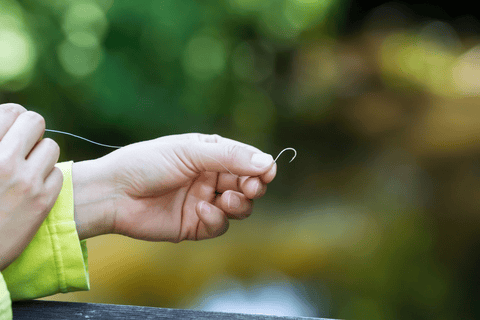
Monofilament was the most popular line to be used for bass hunting previously. Due to the invention of sturdier lines, monofilament has now taken a back seat in bass fishing. Some anglers prefer fluorocarbon lines because they're virtually invisible in water. This invisibility gives them an edge as most bass cannot see them and take the bait. Also, don't forget to check the pound test of the line. It means how heavy a fish the line can catch without breaking. A good line for bass fishing can bear at least 8 pounds of weight and sometimes even more.
Baitcasting Reel
A baitcasting reel, also known as a bait caster, consists of a revolving spool with a casting rod and trigger handle. Choosing your first reel for bass fishing can be a daunting task. With so many varieties available in the market, it is easy to become overwhelmed.
Your best options when it comes to baitcasting reels are graphite, aluminum, and carbon composite. If you're looking for something sturdy as well as smooth and light, aluminum is your best bet. Since fishing reels are primarily used in water, it is essential to select a reel, such as graphite that does not rust easily. Durability is another crucial component of a reel. I mean, you wouldn't want your reel to crack if a particularly large bass latches onto your bait, right?
If you're looking for some of the best baitcasting reels, you need to know some basics about baitcasting so you can choose the right reel. These include:
Low Profile vs. Round
A round baitcasting reel holds more length of line and is used for heavier line material. Getting the round baitcasting reel is essential if you need to throw the bait over a long distance or use a heavy bait. However, the low-profile bait is more effective in catching bass due to its more effortless wrist action and handling.
Gear Ratio
A gear ratio means the number of rotations per turn of the handle. For one turn, how many times the reel allows the line to spin around. Baitcasting reels commonly used have 5.4:1, 6.4:1, and 7.1:1 ratios. For instance, with a rotation of 6.4:1 gear ratio, one turn of the handle will allow you to pull back 6.4 revolutions. The greater the gear ratio, the more revolutions of the baitcasting reel you get with the same amount of work.
Braking Systems
An important feature that many people overlook when buying a reel is a braking system. The best baitcasting reels have an excellent braking system that prevents you from having the annoying backlash that leaves your line in a knotted mess. If you don't want that to happen, make sure to buy a reel with an excellent braking system. The two main types of brakes that come with reels are magnetic brakes and centrifugal brakes.
Every time you're out fishing, fine-tune your thumb movements in such a way that no matter the braking systems, your spool does not get tangled. For trouble-free casting, adjust your spool speed with the help of the tension knob.
Top 5 Baitcasting Reels
To make it easier, we will tell you some of the best baitcasting reels present in the market. In our view, the top five baitcasting reels currently available in the market include:
SHIMANO Curado K Baitcasting Reel
Shimano Curado is one of the best baitcasting reels out there. It is a low-profile baitcasting reel made of tough, and the X-ship technology provides additional durability. Shimano Curado is the top choice for anglers worldwide due to its infinity braking system and MicroModule gearing. The Super Stopper anti-reverse technology provides a one-way stainless steel roller bearing that eliminates back-play.
Daiwa Tatula Baitcasting Reel
The Daiwa Tatula is another famous baitcasting reel that is used for bass fishing. Made up of sturdy and corrosion-resistant aluminum, this baitcasting reel is one of the smallest and lightest versions out there. This quality allows for easy handling by the angler and the Zero Adjuster spool setting with the T-Wing System casts longer and more accurately.
Abu Garcia Revo Low Profile Baitcasting Reel
The Abu Garcia is another one of the low-profile baitcasting reels. As mentioned earlier, the low-profile reels are best for bass fishing. This reel comes with seven ball bearings made of stainless steel and one roller bearing that provides smooth operation. The Carbon Matrix Hybrid Drag System in the Abu Garcia baitcasting reels allows for an incredibly straightforward and efficient fishing experience.
Lew's Tournament LFS Baitcasting Reel
Lew's baitcasting reel is an angler favorite. Lew's baitcasting reel has been forged to be an angler's best friend, made up of the one-piece aluminum frame and graphite side plates. The P2 Super Pinion bearing provides accurate alignment and stability, allowing smoother operation with longer gear life. Not only that, the Lew's Premium 10-bearing system comes with stainless steel double shielded bearings, which can help you catch the best bass of your life!
Pflueger President XT Low Profile Reel
You can also use the Pflueger President baitcasting reel for bass fishing. It comes with a nine-bearing system that consists of stainless steel ball bearings to prevent corrosion. Additionally, the magnetic braking system allows minimizing the backlash and tangling of the spool so you can experience hassle-free fishing. Not only that, the soft-touch rubber knob that comes with Lew's baitcasting reel gives excellent grip.
Conclusion
While there are numerous baitcasting reels available in the market, you should choose one that suits your situation, ability, and level of expertise. It's better to learn about the simpler reels and then move on to the more specialized versions to understand each part’s function.
If you plan to take up bass fishing, invest in some good quality material and head to the nearest site to catch that black bass and impress your friends and family!
-
 Loading More
Moreover, fishing can be a recreational activity; it is also an important business and job for others, such as fishermen. Most of them will do a lot of work to catch and market one. Fishermen will most likely feel ecstatic and experience delicious fresh fish for their meals; it is a nice catch!
If you are well interested in booking a tuna charter or just want to know more about this type of fish and the fishing industry, you need to bear in mind the various factors or distinctions of the methods.
Tuna fishing tactics vary by species, season, state, and method. Try and continue reading this gomexus tuna guide, for it will be your complete step-by-step guide to tuna fishing.
What Is Tuna Fishing?
Tuna is a highly sought-after type of fish found in oceans worldwide. Hence, tuna fishing is the act of catching tuna.
Furthermore, it is prized for its robust flavor, firm flesh, and high oil content; they are predatory fish. They are valuable products in the seafood business, with millions of tons captured annually for human consumption.
In addition, tuna fish travel rapidly through tens of thousands of miles of ocean, reaching speeds of up to 75 mph, and can be caught and found in numerous international zones.
However, there is more to Tuna than meets the eye.
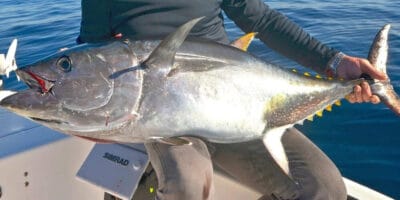
Tuna are a group of fish (officially a tribe of Thunnini, within the family Scombridae) that includes over a dozen distinct species; tuna is not a single species.
The gomexus fishing guide prompted that the Thunnini are a subfamily of the Scombridae, or mackerel family, which includes tuna. Fifteen different species belong to the Thunnini tribe.What Are Gomexus Tuna Guide For Tuna Fishing Preparations?
Tuna fishing is a popular pastime, a business, and a job for fishermen. In addition, this necessitates meticulous planning to ensure a successful and fun fishing excursion. Even if you are an experienced or novice angler, planning and preparing for your trip can make all the difference with the gomexus tuna guide. Before venturing out to sea to capture tuna, it is important to consider the following:Study The Location
It is essential to study the area where you intend to fish and be aware of the factors that may affect your ability to catch tuna like what is indicated gomexus tuna guide, including tides, current flow, and water levels. You can utilize online resources, speak with local fishing guides, or ask other anglers about the best fishing sites and techniques in the area.Select The Proper Equipment
Gomexus tuna guide for fishing is specific gear, including reels, hooks, lures, and rods. Hence, you also need to consider the size and kind of tuna you aim to capture. The type of fishing method and gear you will use will determine how you can successfully catch a tuna.Pack Security Gear
Safety is a major fishing issue, especially targeting tuna. You are highly encouraged to bring life jackets, first-aid kits, safety supplies, and life jackets on your journey.Get Ready For The Weather.
The weather can have a substantial impact on your fishing excursion. Therefore, it is essential to be prepared. To be dry, warm, and nourished during the day, it's a good idea to pack a raincoat, several warm layers, sunscreen, and plenty of water.Best Tuna Fishing Techniques
The most important factor in catching a tuna is to go over and familiarize yourself with the different fishing techniques.
As per gomexus fishing guide, you can explore and try various techniques below:Chunking
To catch tuna near oil rigs, pumping stations, and drillships, fishermen commonly employ a "chum line" with chunk baits. With this technique, commonly called "handlining," anglers must remove 3- to 4-foot lengths of line from the reel.
This makes the hooked bait float along with the chunk baits swimming freely in the current. Although chunking requires practice, it is effective when tunas eat near the top of the water column.Use of the Trolling Method
Trolling is fishing in which fake or rigged dead baits are dragged behind the boat, hoping to catch fish.
In contrast to chunking, trolling is never employed close to oil platforms or pumps. However, it consistently works to bring in big tuna.The Top Water Method
When tuna start to feed aggressively on the surface of the water, topwater fishing is one of the best ways to spice up a fishing trip.
Moreover, sport fishing is fun when you cast topwater lures at these hungry tunas.
For this method, you will need to be able to throw big lures a long way and quickly bring them back.
In addition, the heavy-duty spinning gear in the gomexus tuna guide will help with the huge pressure of the fish since many tuna captured at the surface can weigh more than 100 lbs. The sight of a tuna leaping several feet out of the water will stick in my mind.Using live bait
Another is live baiting, which is a great way to catch bigger tunas, according to gomexus fishing guide, because a bait that moves around will make the tuna want to eat it. Some great examples of live bait are pogies, threadfin herring, hardtails, mullets, and small tuna.Vertical Jigging
Many tuna live hundreds of feet below the surface, clinging to structures. If you want to catch these fish and sink quickly,vertical jigging is the way to do it.
Best Tuna Fishing Locations by State in the U.S.
Tuna is one of the most sought-after fish, so it's important to know when to go on a Tuna hunt.
However, the best times to book a charter in gomexus fishing guide may differ depending on where you live or your state.Florida Keys, Florida
It's a great idea to book a fishing trip as what they said in the gomexus fishing guide in the Florida Keys since Florida is often called the fishing capital of the world. Florida has a long tuna fishing season. But a tuna fishing trip in the Sunshine State from May to September would make the most of the state.Southern California
In Southern California, July through September are prime times for catching tuna. Hot summer days are perfect for reserving a fishing charter and heading out on the water.Coast Of Port Aransas, Texas
If you are interested in booking a Texas fishing excursion, you will likely catch tuna along the route. Numerous Texas fishing charters eagerly anticipate the long tuna run off the Texas coast. There are no limits on how many yellowfin or blackfin tuna a fisherman can catch, making them one of the most popular targets for a Texas fishing trip.
Are you interested in reserving a Texas tuna fishing charter? Recently, in the gomexus fishing guide some 150 miles off the coast of Port Aransas, Texan fisherman Troy Lancaster caught a record-breaking bluefin tuna weighing 876 pounds. On April 13, Lancaster smashed a Texas bluefin tuna record that had stood for 40 years, prompted from the gomexus fishing guidePoint Pleasant Beach, New Jersey
Fishing tuna in New Jersey is a premium activity. In the Atlantic Ocean's deep depths, you will encounter Bluefin, Yellowfin, Bigeye, and Albacore tuna, among the most sought-after species. These beasts are ferocious and will give you the fight of your life, but the delicious meat on the boat will make it all worthwhile.Virginia Beach, Virginia
The most common fish you will go to catch are wahoo, dolphin, mako sharks, and other types of sharks such as white marlin, sailfish, cobia, king mackerel, and blue marlin.
However, you can also catch some yellow tuna, albacore tuna, longfin albacore tuna, bluefin, and skipjack.
There is often a lot of bluefin tuna in this area, and it's not unusual for them to weigh more than 300 pounds.Chatham, Massachusetts
Tuna fishing in the east of Chatham works accordingly using the methods. On decreasing tides, the inlets' mouths deposit more baits into Pleasant Bay. Crab Ledge is the first tuna structure east of the inlets. Smaller boats may easily access these tuna fishing spots.Venice, Louisiana
If you book a fishing charter out of Venice, Louisiana, you can catch a blackfin tuna, a fish with a dark blue, shiny back, silvery sides, and a white belly.
Blackfin tuna are easy to find and grow quickly. On a fishing trip out of Venice, Louisiana, you might see a school of Blackfin tuna moving together like Mahi-mahi.Montauk, New York
The fishing fleet and charter boats in Montauk, New York, are well-known. If you like to fish for sharks, tuna, or fluke, there is no better place to feel on the east coast. The waters are full of fish.
Furthermore, professional sports fishermen and people who have never fished before are drawn to the area's beautiful scenery and fishing opportunities in Montauk. Fishermen come to Montauk all year long to do recreational fishing and eat tasty seafood.Bluefin Tuna Market Price
It indicates in the gomexus tuna guide, tunas can be pricey. However, in that case, you would not know about them once you have a clear grasp of them in the market. Moreover, Bluefin tuna costs approximately $15 to $45 per pound. To give you a head’s up about the cost of Bluefin Tuna Market cost, here is a breakdown:
●500 lbs- $7,500- $22,000
●600 lbs- $ 9,000- $27,000
●700lbs- $10,500- $31,500
●800 lbs- $12,000-$36,000
●900 lbs- $13,500- $40,500
●1000lbs- $15,000- $ 45,000
●1100 lbs- $16,500- $ 49,500FAQs
1.What kind of bait is used for tuna?
You can try tThreadfin herring, menhaden/pogies, blue runners/hardtails, and mullet. It is because these common live baits are used for tuna fishing in the Gulf of Mexico.
2.When is the best time of day to catch tuna?
If you want to catch tuna, the best time to fish is between dusk and dawn. Without daylight, adding more weight to your tackle without a tuna noticing is easier.
3. What month is the best to eat tuna?
The ideal months for catching and eating giant tuna are June, July, and August since tuna are abundant throughout those months.Conclusion
As previously said, tuna fishing requires several considerations when organizing a sail; debate the possibility of catching a large tuna and the ideal places for fishing. In connection to this, to effortlessly catch a tuna, you must also recall the tactics for tuna fishing. Thus, knowing the price is also important because the price per pound has also climbed, which is something to consider. After all, acquiring and selling one on the market can generate a substantial profit. -
 Loading More
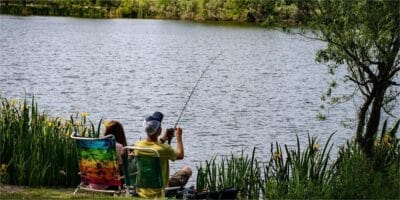
However, fishing in the spring is very different from fishing in the summertime or even the fall months because of the weather and the time of year. It requires the appropriate equipment, the best mindset, and the suitable waterways to succeed. Let’s begin with this Gomexus spring fishing guide.
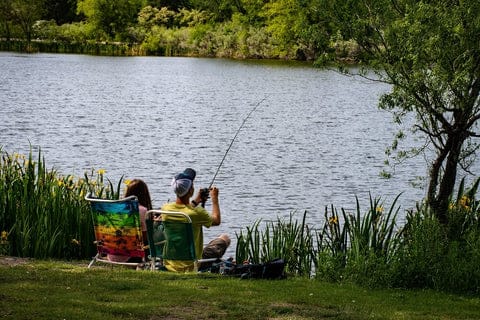
Early Spring Fishing Tips
Find some warm water
You should schedule any fishing on days when the weather is better because it is still unpredictable. This is mainly because fish feel comfortable and enjoy warmer water in the early season. This might entail searching for the lake's shallower regions that can warm up quickly.
Don't Get a Head Start on Everything
Continuing the above argument, you must start fishing early in the morning to get best result. As we've mentioned before, fishing in warmer water is optimal, and starting your day later increases the likelihood of warmer water.
When fishing in the early part of the season, the afternoons tend to produce the best results because the sun can warm the water during this time.
Use light tackle
Don't break out your big baits or reel in too quickly during the early spring months because fish are frequently less active. To really get the fish's attention, you could want to use live bait and reduce the size of your bait.、
Avoid setting the hook too soon
You don't want to set the hook too quickly when you receive a bite since fish are still relatively slow in the season's early months. We advise waiting a few seconds longer than usual before casting your line.Late Spring Fishing Tips
- Although swimbaits, bladed jigs, hard jerk baits, and top waters all work with this pattern, many anglers find the best success with a soft plastic jerk bait. While white is the go-to, there are times when other hues are better suited.
- If you're not throwing behind the cover, the hook will have a better chance of sticking.
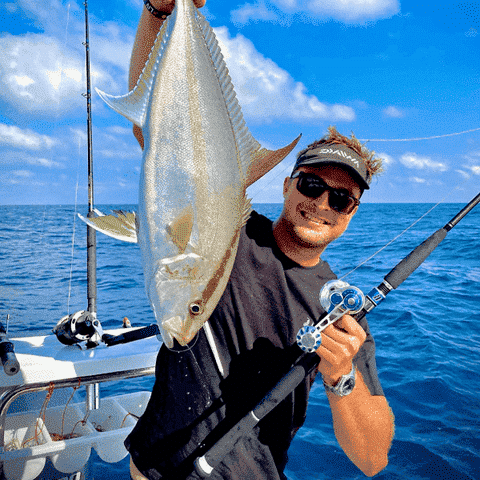
What fish are in the spring season and what baits to use?
Catfish Trout Pike Carp Crappie Bluegill Walleye Bass Salmon Musky Chicken or stinbaits Spoons or insects Large jerk baits or bait fish Worms, dough balls, or corn Jigs, worms, or winnows Small jigs and crickets Crankbaits, nightcrawlers, or minnows Leeches, worms, and jigs Squid, herring Bucktails or jerkbaits Spring Fishing Preparations
Now that spring has arrived in its whole, anglers all around the world are getting ready for the forthcoming fishing season. Many people who enjoy fishing for bass are coming out of hiding, anxious to get outside and wet their line. Here are a few things to consider in this Gomexus spring fishing guide when preparing for spring fishing.
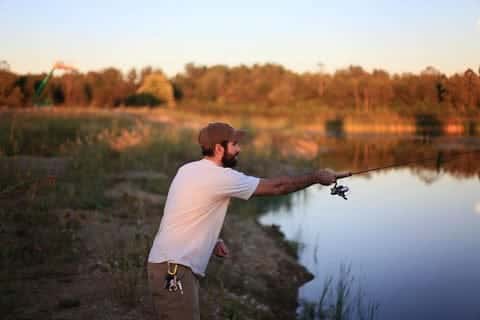
Prepare for the weather
You should schedule your fishing expeditions to coincide with the weather's shifts, as early spring is notorious for its unpredictability. Expert fishermen agree that the greatest time to go fishing is on the warmest day or days immediately preceding a cool down.
Maintaining your equipment is essential
Most of your fishing equipment undoubtedly got dusty and pollen-covered throughout the winter. Get everything in the tip-top form right now. Remove the old line from the reels and replace them with new ones.
Everything that moves should be cleaned and oiled. Fix or replace the rods' guide eyes if damaged or slipping. Get rid of old, rusting equipment and replace it with brand new fishing gear. Get your boat serviced and ready for fishing season.
Do Some Casting Exercises
If you want to be ready to catch fish when the going gets hot, it's a good strategy to practice your casts in the backyard with whatever kind of rod you want to use.
If you want to catch more bass using a bait caster, you should get some throwing and flipping practice done. Muscle memory for underhand flips can be formed in this way. Practice makes perfect, just as in any other sport.Best Spring Fishing Spots in the U.S
- Myrtle Beach, South Carolina
- National Parks
- Lake Havasu, Arizona
- Tybee Island, Georgia
- Yakima Valley, Washington
Spring Fishing Tackle Selection Guide
Fish are more active during the spring because the warmer weather pushes them closer to shore and makes them more active overall, making it an excellent season for fishing. The following is a Gomexus spring fishing guide that will assist you in choosing the appropriate spring fishing.
Reel and rod
Pick a rod and reel combination suitable for weight and size of the lures or bait you intend to use following the fish you intend to catch. A spinning rod with medium power is an excellent choice for springtime fishing since it can handle many lures and baits and is adaptable enough for numerous fish species.
Hooks
Be sure that your hooks are both sharp and sized appropriately for the species of fish that you intend to catch. When fishing in the spring, it's possible that you'll need hooks that are smaller than usual because the fish have smaller jaws and are pickier.
Line
You should select a line that is both suitable for the fish you intend to catch and proportionate to the strength of the rod and reel combination you will be using. Monofilament or fluorocarbon lines are suitable for spring fishing since they are less apparent in clear water and have a high threshold for detecting bites. Fluorocarbon lines have a higher breaking strain than monofilament lines.
Lures
When fishing in the spring, it is common practice to use lures that imitate the insects that the fish are feasting on. Choose lures the same size and color as the prey that fish in your area are eating on. This will increase your chances of catching fish.Conclusion
Spring offers some of the best fishing for fishermen of all skill levels. Spending time on the lake is lovely as the weather improves and the fish becomes more active. Spring is a great time to go fishing, and many different kinds of fish can be caught in rivers, lakes, and streams.
-
 Loading More
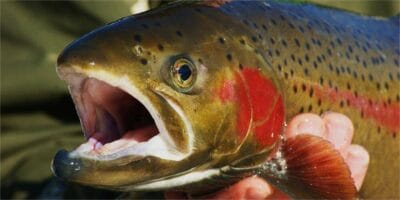
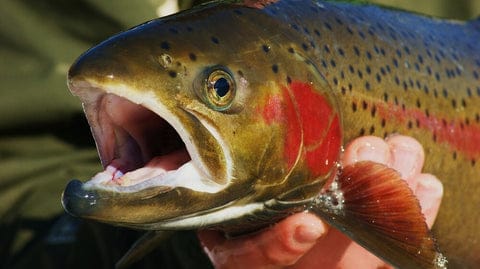
To catch a trout in a river, you must first locate where the trout resides. The water needs to be brisk and replenished with oxygen, and if you are serious about landing a record catch, you should experiment with various lures, such as swim baits and soft plastics.
In this trout fishing guide, you will learn how to fish for trout in a river, the best time for your trout fishing, and the bait you need for a big catch. Without further ado, let's get started.
What time of year is best for trout fishing?
When is the best time to go trout fishing? That depends on several things, such as location, weather, and the species of trout you want to catch. Nevertheless, some broad tips might aid in preparing for your fishing expedition.Spring and fall are typically the most incredible times to go trout fishing because the water temperatures are typically lower. During these times, trout eat more than usual, making them easier to catch with different techniques.
However, in many places, especially those with moderate or temperate temperatures, trout can be caught at any time of the year. Winter trout fishing is popular among certain anglers because the trout population tends to be more concentrated and thus simpler to find in smaller lakes and streams.
Your location, the species of trout you hope to catch, and your tastes will all play a role in determining the optimum time of year to go trout fishing. You can find the best time of year and way to fish for trout by researching and trying different things.How to fish for trout in a river?
Learning how to fish for trout is an experience that is both challenging and enjoyable. Because trout are freshwater fish, anglers typically pursue them in freshwater environments such as rivers, ponds, and lakes.Since they always congregate in the deeper parts of freshwater bodies, it is simple to catch them there. Therefore, if you know enough about them, you will almost certainly end the day with a good catch.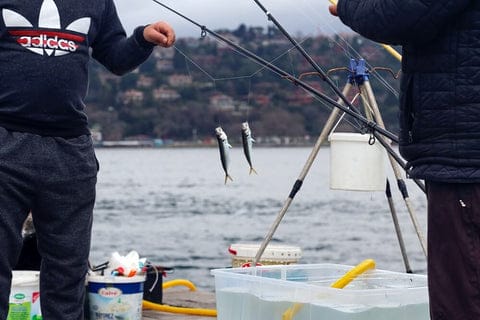 Gather all the equipment you need
First, have your Gomexus rod and reel, light equipment, baits or lures, and boat, if needed. Think about what works best for river trout. The line should be between 2 and 8 pounds. Because river trout is a better fit, use crawlers or fake bait to catch fish.
Identify the best location
You need to be aware of the typical hiding spots used by trout. To put it another way, first, you must find out whether the trout are stocked in the river. When fishing for trout in streams, employing spinner gear simplifies the task. River trout are susceptible to any sound.
Choose the current carefully
You will have an easier time catching river trout since they prefer to hang out in areas where the current is high. This makes it easier for anglers to capture them.
Carefully choose your baits and lures
Try rotating lures. The finest foods for trout include crawlers, crayfish, and minnows.The best bait for trout in lakes
You can use many different baits to catch trout in lakes; however, a few baits are more efficient than others. The following are some of the most effective bait for luring trout out of lakes:
Worms
When fishing for trout, a straightforward split shot rig with pieces of live or artificial worms can be very effective. Real ones have a perfume and movement that attract fish, but artificial ones are effortless and come in various sizes, shapes, and colors. Fish are attracted to real ones because of their scent and movement.
Marshmallows
In addition to being an affordable and efficient bait option, marshmallows can also be used to catch trout in lakes. Put one or two marshmallows on a hook and cast them into the water along the shore. Trout will be drawn to the marshmallows as they float on the water's surface.
PowerBait
PowerBait is a well-liked type of trout bait available in many hues and aromas. The bait is a malleable dough that can quickly form onto a hook. PowerBait works well because it is suspended above the bottom, where fish typically congregate.Trout fishing tips for beginners
In the heat of July, trout can be more difficult to catch, but the challenge is half the fun. If you're starting trout fishing, here are some tips to help you.

- Time your trout fishing trip for the morning or evening, when temperatures are typically lower.
- One of the finest times to go trout fishing is immediately after significant rainfall. It is because rainfall increases water levels, changes the water color, and promotes larger trout to feed.
- When trout focus on eating smaller prey, such as when bugs are hatching, it's common for smaller baits to result in more bites. It is especially true during bug hatches.
Trout Best Rod Recommendations
Interestingly, you need the best gear when you decide to fish for trout. With several fishing rods available, finding one that suits your needs can be challenging. You need good equipment that is economical and suitable for other fish species.
The Gomexus rod is our pick for trout fishing. It offers serious anglers increased strength and sensitivity and improves weight for their adventures. Furthermore, the comfortable cork handle ensures a firm grip when holding it.
You can enjoy features such as easy fish control, premium graphite construction, and an invisible thread three-channel barrel casting seat. Overall, the best bait for the Gomexus rod includes crank and spinner baits.Conclusion
Trout fishing is always adventurous and fun if you do it correctly. However, it can be challenging and demanding if you don't use the right equipment, like the Gomexus rod. Peradventure, you haven't had much success; you don't have to give up. Patience when trout fishing is essential. Furthermore, you need the right location and bait to catch trout in a river or lake.
-
 Loading More
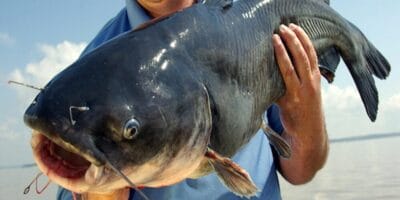
This Gomexus catfish fishing guide will unveil the best catfish fishing spot in America, the best bait for your catfish fishing, and how to choose the right hook when fishing.
Catching catfish starts with knowing their classification. Knowing your target catfish is crucial to success. The main types of catfish you find when fishing include blue, channel, and flathead catfish. They may share waterways and prey, but they're fundamentally distinct. Here is a summary of the catfish classification.
- Flatheads
The hardest catfish to catch is most likely flatheads. They are solitary, elusive, and, once hooked, put up a fierce struggle. Even seasoned fishermen are satisfied to snag one large fish during a trip.
- Blue Catfish
The blue catfish is the largest and most valuable catfish in America. They can get big, with the all-tackle record being a whopping 143 pounds. Blue Cats are better than Flatheads because they don't live alone. You can catch many of them or just one giant at a time.
- Channel Cats
Channel Cats are much smaller than their cousins, who are blue and have flat heads. Most fish don't weigh more than 20 pounds, and when anglers go after them, they usually care more about how many they catch than how big they are. You do get a monster occasionally, though. Fish around 50 pounds are in record books and on mantles.
The best bait for catfish fishing
Best bait for catfish fishing Serial Number 1 2 3 4 5 6 7 Catfish Baits Chicken Livers Asian Carp Stinkbait Skipjack Herring White Suckers Gizzard Shad Nightcrawler Picture 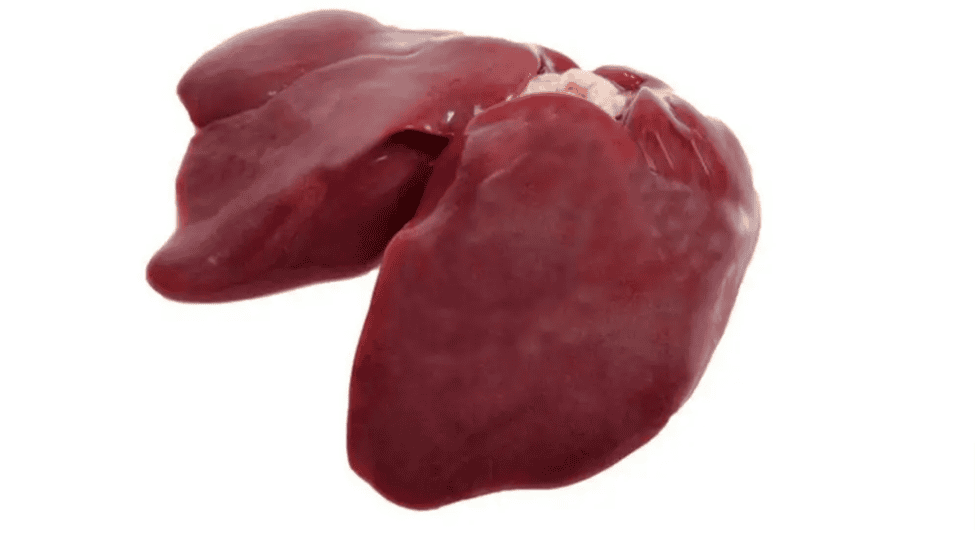
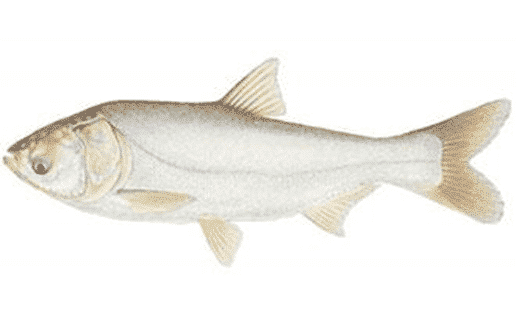
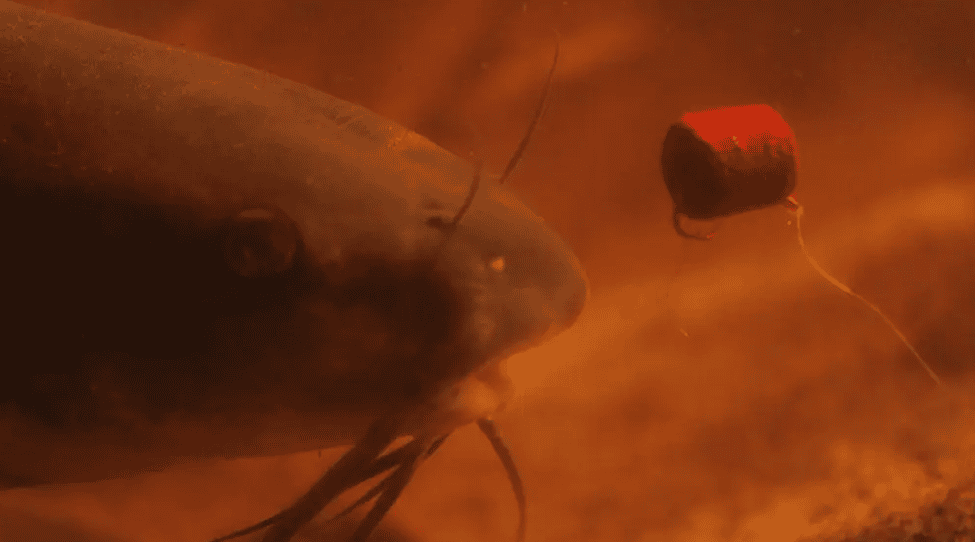
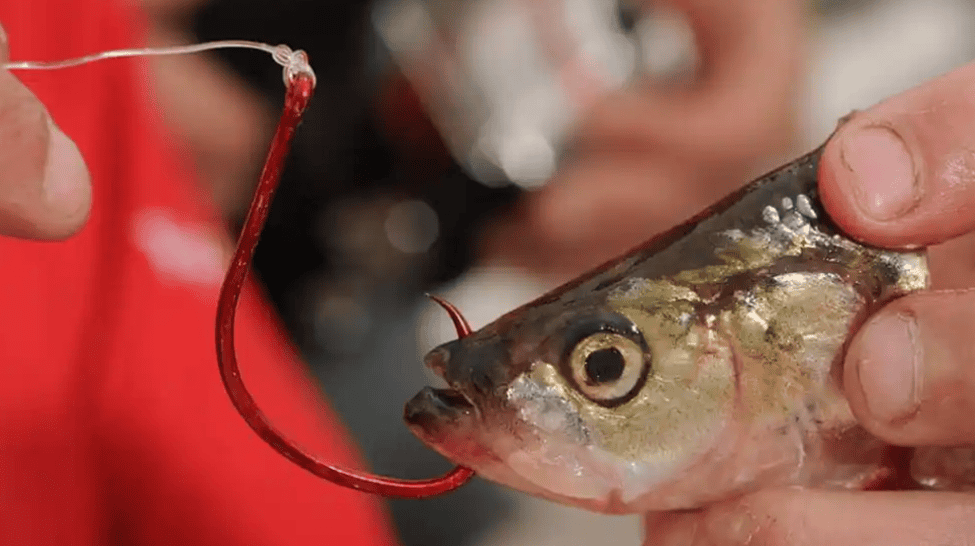
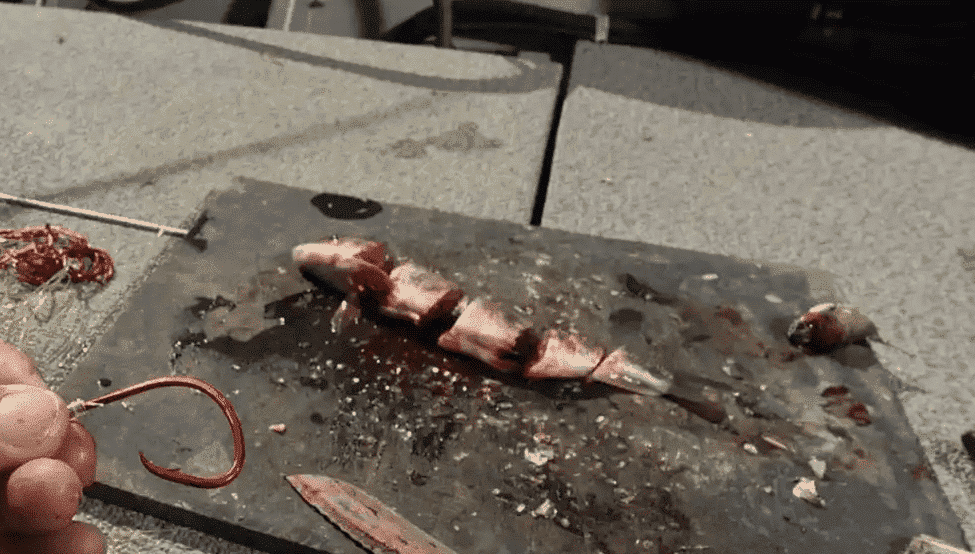
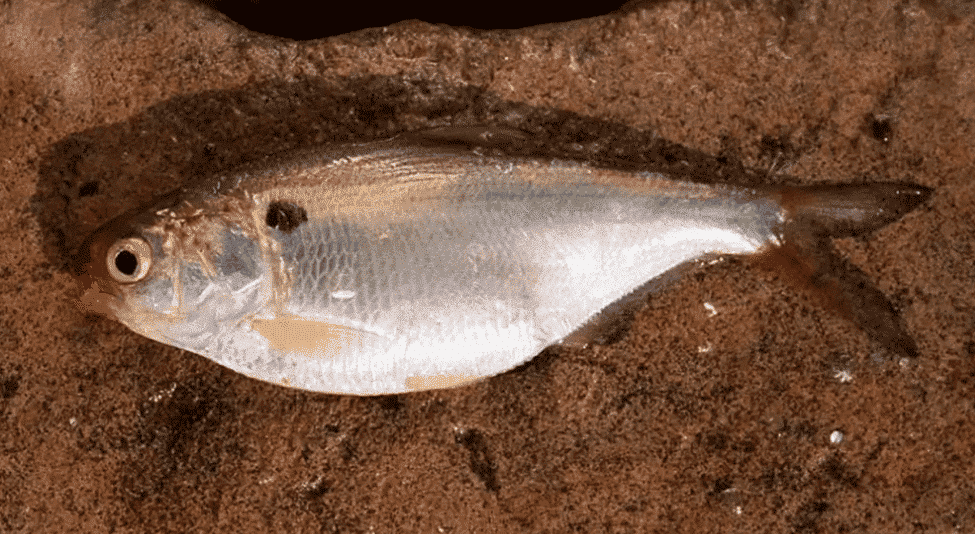
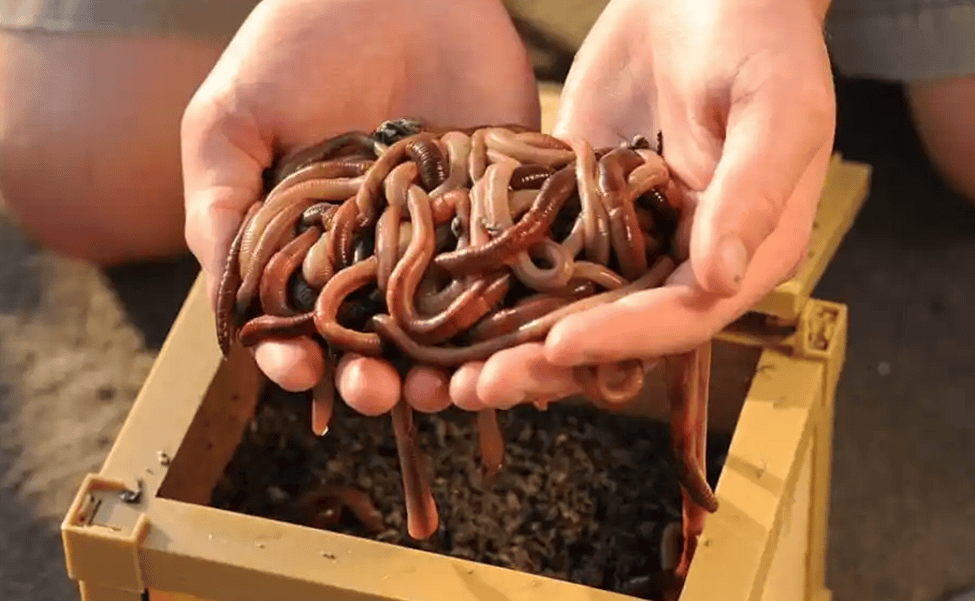
Best Catfishing Spots in America
Best Catfishing Spots in America Serial Number 1 2 3 4 5 6 7 8 Fishing locations Lake Caddo, TX Lake Texoma Lake Mendota, WI Lake Marion San Carlos Reservoir, AZ Lake of the Ozarks, MO Logan Martin, AL Grand Lake, OK Choosing the Right Hook for Catfish
Catfishing is fantastic because you can get started without expensive equipment. When fishing for trout, there aren't millions of possible hooks, lures, jigs, and other equipment combinations.
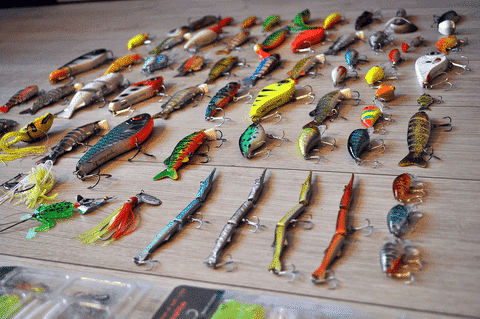
When selecting catfish hooks, presentation, bait size, the size of the catfish being targeted, and the attitude of the catfish are the four most critical considerations. The time of year and the temperature of the water are two factors that can affect the kind and size of catfish hooks that should be used.
Best time to catch catfish
The idea that catfish must be caught at night is a misconception about them. Although most people go catfishing after dark, you can still catch big fish during the day. It depends on the species you're pursuing and the area where you're fishing.
Most flatheads are nocturnal. They are pleased to leave their shelter or hiding place at night. Although this is the perfect time to locate them, you can also catch Flatheads outside by utilizing the cover they frequently hide in.
Irrespective of the hour of the day, blue and channel catfish have their timetable for eating. One thing to remember is that if there is a massive wave to hunt in, giant Blues will be more active throughout the day. They primarily hunt at night in still waters.
The fastest way to catch catfish
- Use the right bait:Catfish are known to be attracted to strong-smelling baits such as chicken liver, shrimp, and worms. Use these baits to increase your chances of catching catfish.
- Fish in the right location:Catfish tend to hang out in deep, slow-moving water or in areas with lots of cover such as logs, rocks, or weeds. Look for these types of areas when fishing for catfish.
- Use the right equipment:Use a medium to heavy action rod with a strong line, as catfish can put up a strong fight. Also, consider using a slip sinker rig, which allows the catfish to take the bait without feeling the weight of the sinker.
Catfish Fishing Tips
Catfish, often looked down on in fishing because they eat things on the bottom, have become popular again in recent years. The reasons for this are easy to understand: catfish are easy to find, fun to catch, get very big, and taste great when cooked.
Tips on catfishing, on the other hand, are hard to find. Ultimately, if you've never tried to catch a catfish, this is the year to do it. Here are a few tips to help you start catfishing.
- Opt for Nighttime Fishing
Even while catfish can be caught at any time of the day, they are most active at night because of genetic modifications that allow them to pounce on dormant prey species. So, if you fish when the sun goes down, you can expect more bites and a better chance of catching a big fish.
- Being patient is crucial
If it is permitted, check your rules, and throw out two more rods. Use rod holders. First, set the drag lightly so that the rod doesn't fall into the lake by accident. Then, put the rod on a rock and get ready.
- Raise your bait From the Ground
Smelly baits work well because catfish rely heavily on their sense of smell and touch when feeding, especially at night and in muddy rivers. However, getting your baits off the ground will result in a far more noticeable smell trail. Try using bobbers, inline floats, or floating jig heads to make your smell trail travel further.
- Change Baits
try chicken livers, sliced shad, or bluegill. One of the best catfishing techniques is to try multiple baits until the fish bite, then let them choose.
FAQs
- How to catch catfish in a river?
Cut bait is the traditional method for catching catfish. Little pieces of baitfish are threaded onto a weighted hook and strategically positioned or floated in the river. The odors and funkiness of cut bait continue to attract catfish. The anise flavoring in these smoked shad preserves is irresistible.
- How to catch catfish in a pond?
It would be best to familiarize yourself with the catfish size at the pond you intend to visit. Use the appropriate equipment if there are any large specimens. Fish can better hear and see you in a pond because ponds are often shallower and quieter. If you want to catch fish in a pond, you need to be quiet and not draw too much attention to yourself.
- How to catch catfish in lakes?
To catch catfish in lakes, use strong-smelling baits such as chicken liver, shrimp, worms, or commercial stink baits. Cast your line in areas of the lake where the water is deeper, and the bottom is muddy or covered with debris such as logs or rocks. Nighttime is often a good time to catch catfish, and using a slip sinker rig can increase your chances of success. Be patient, as catfish can take some time to bite, and consider using a fish finder to locate schools of catfish.
- Do catfish stay in deep or shallow water?
Catfish are mostly carnivorous and reside in deeper water; nevertheless, they will venture into shallower water to feed, particularly at night. Catfish are known to be nocturnal feeders.
Conclusion
We have seen in this Gomexus catfish fishing guide that many people who care about freshwater quality avoid catfish. But, there is just as much variety among them as there is among Trouts and Bass, yet most people treat them as identical. They are forgotten about and thrown in with the "rough fish." Catfish aren't given the credit they deserve, but serious anglers know they're up there with the best of them as top-tier game fish.
-
 Loading More
Plus, you also have to make sure of acquiring the right licenses to keep your angling activities on the green radar of the law.
In this Gomexus Fishing Guide, we will be looking at some of the necessary and important information that you need to know to make the most out of your fishing trips in Florida.
Let’s get started.

Introduction to Florida Fishing Hours
One of the first things that you have to properly acquaint yourself with before going fishing in Florida is the right fishing time. There’s a time for everything, and the same goes for fishing in the Sunshine State.
There are certain types of fish that only surface (quite literally, in this context) during the Spring and Fall times whereas there are other species that are in full bloom during the hotter summer months.
And, the good thing about Florida is that even during the colder times of the year, you can still find some game to reel in. Even though things slow down and thin out a little, you’ll still be able to catch something should you decide to take your tackle to the waters sometime during…November.
To help you get a good idea about the types of fish that you’ll be likely to catch during the different times of the year, here is a brief list of some of the common species and the months in which they’re likely to appear.
What is the best fish to catch in Florida each month Jan Feb Mar Apr May June July Aug Sept Oct Nov Dec fish species Trout, Flounder, Sheepshead Pigfish and Flounder Bluegill, Tarpon and Redfish Tuna and Mahi-Mahi Amberjack, Trout and Vermillion Snapper Yellowtail, Grouper and Red Snapper Tarpon and Largemouth Bass Snook King Mackerel and Blackfin Tuna Redfish, Bluefish and Snook Flounder, Trout and Mullet Blackfin Tuna and Kingfish Introduction to Florida Fishing Locations
Just as you have to find the right time for angling, you also have to find the right place. A certain species can exist in abundance in a certain area while having an excessive dearth in some other location.
Other than the species, the places that you’ll need to visit for your angling sessions can also differ depending on the type of fish you want to catch. You can’t go to the same places for freshwater fishing as you’d go for saltwater fishing.
Considering the above, here are some good locations in Florida that you can try out for both types of fishing.
Best Florida Fishing Spots 1 2 3 4 5 6 7 8 9 10 11 12 freshwater fishing locations Everglades Canals Winter Haven LakesWinter Haven Lakes Lake Marian Orange Lake Wascissa River Tampa Bypass Canal Holmes Creek Lake Trafford Turkey Lake Lake Harris Eagle Lake Escambia River offshore fishing locations Palafox Pier Destin Bridge Marler Park Anclote Keys Egan Park John's Pass Banana River Parrish Park Daytona Beach Pier Highbridge Park Sunrise Park Cockroach Bay Introduction to Florida Fishing Companies
If you’re experienced enough and if you have the right gear for it, you can easily go fishing on your own. But, if you’re a rookie or just new to the state, there are a lot of fishing companies that you can take help from.
By hiring the right fishing company, you’ll be able to snag a proper boat for your angling session as well as the necessary equipment. You’ll also get to enjoy the guidance of an expert angler on board.
There are a lot of companies and charters that you can find in Florida. For your ease and edification, we’ve singled out these twelve along with their starting costs.
Best fishing companies in Florida + boat charter costs 1 2 3 4 5 6 7 8 9 10 11 12 company name All Good Charters Dreamaker Fishing Charters Boca Grande and Beyond Old Town Charters Rebel Coast Charters Florida Panhandle Charters Reel Floridian Fishing Mangroveman Charters Capt. Evan Denis Charters Full Throttle Fishing Charters B & B Charters JT Fishing Charters charter fee $300 $500 $550 $500 $300 $500 $495 $360 $500 $350 $350 $300 Do I Need a License for Freshwater Fishing in Florida?
Yes, you require a license for freshwater fishing in Florida. Fishing is governed by several rules and regulations in the state. Not carrying a license when fishing can bring out certain legal consequences, such as monetary fines.
There are different licenses for both freshwater fishing and saltwater fishing that necessarily have to be possessed by anglers unless they are exempt as specified by state laws
How Much is a Freshwater Fishing License in Florida? How Much do Residents Need and How Much do Non-residents Need?
The cost of the fishing license depends on the time period for which it is required. It also depends on the types of fishing activities it covers.
For Residents: Freshwater licenses start at $17 (on an annual basis). They can go up to $100 if you’re buying the Lifetime License.
For Non-residents: Freshwater licenses can start at $17 for a three-day period. The amount can go up to $47 for the annual license.
How to Get a Freshwater Fishing License in Florida?
There are several methods for getting a freshwater fishing license in Florida, such as:
- Visiting your tax collector’s office
- Calling the toll-free 888-FISH-FLORIDA number (888-347-4356)
- Visiting com
- Retail stores like Wal-Mart and K-Mart
Florida Freshwater Fishing Regulations
There are a lot of different rules and regulations that you have to abide by when doing freshwater fishing in Florida. There are guidelines for different species of fish as well as for different areas in the state. For details, you can refer to the regulations provided by the official Florida Fish and Wildlife Conservation Commission website.
Consequences of Unlicensed Fishing in Florida
If you are caught fishing without the proper license in the state of Florida, you will have to pay the licensing fine as well as an additional penalty. The latter can start from $50 and go to $100 depending on the frequency of the violation in a specified time period.
Conclusion
Before you bring out your tackle and “tackle” the Sunshine State’s angling opportunities, you need to make sure that you have the rules all noted down. And of course, other than the official and legal requirements, you also need to acquaint yourself with the ideal locations and times for angling.
In this post, we covered all of these aspects in detail. We hope you learned something here that can come in handy the next time you decide to go fishing.