Blog
-

 Loading More
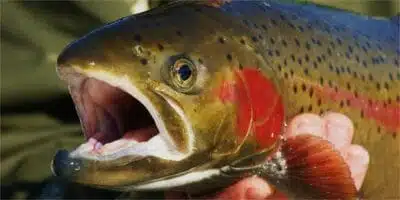
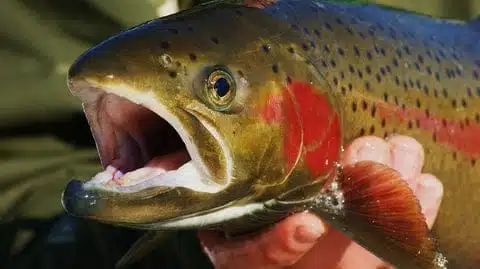
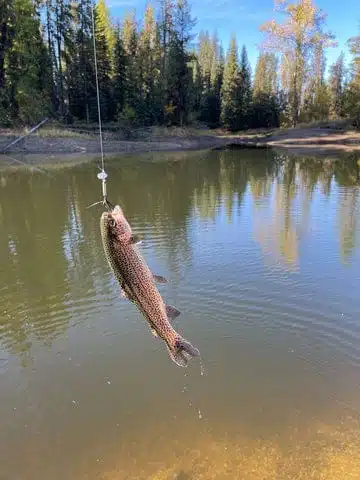
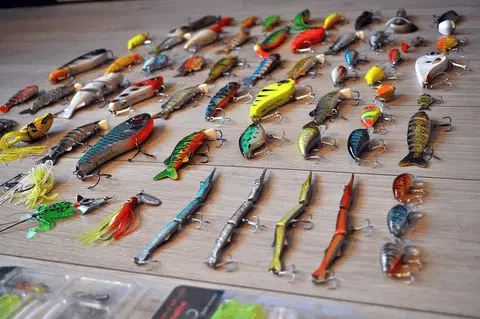
To catch a trout in a river, you must first locate where the trout resides. The water needs to be brisk and replenished with oxygen, and if you are serious about landing a record catch, you should experiment with various lures, such as swim baits and soft plastics.
In this trout fishing guide, you will learn how to fish for trout in a river, the best time for your trout fishing, and the bait you need for a big catch. Without further ado, let's get started.

What time of year is best for trout fishing?
When is the best time to go trout fishing? That depends on several things, such as location, weather, and the species of trout you want to catch. Nevertheless, some broad tips might aid in preparing for your fishing expedition.Spring and fall are typically the most incredible times to go trout fishing because the water temperatures are typically lower. During these times, trout eat more than usual, making them easier to catch with different techniques.
However, in many places, especially those with moderate or temperate temperatures, trout can be caught at any time of the year. Winter trout fishing is popular among certain anglers because the trout population tends to be more concentrated and thus simpler to find in smaller lakes and streams.
Your location, the species of trout you hope to catch, and your tastes will all play a role in determining the optimum time of year to go trout fishing. You can find the best time of year and way to fish for trout by researching and trying different things.How to fish for trout in a river?
Learning how to fish for trout is an experience that is both challenging and enjoyable. Because trout are freshwater fish, anglers typically pursue them in freshwater environments such as rivers, ponds, and lakes.Since they always congregate in the deeper parts of freshwater bodies, it is simple to catch them there. Therefore, if you know enough about them, you will almost certainly end the day with a good catch.Gather all the equipment you need
First, have your Gomexus rod and reel, light equipment, baits or lures, and boat, if needed. Think about what works best for river trout. The line should be between 2 and 8 pounds. Because river trout is a better fit, use crawlers or fake bait to catch fish.
Identify the best location
You need to be aware of the typical hiding spots used by trout. To put it another way, first, you must find out whether the trout are stocked in the river. When fishing for trout in streams, employing spinner gear simplifies the task. River trout are susceptible to any sound.
Choose the current carefully
You will have an easier time catching river trout since they prefer to hang out in areas where the current is high. This makes it easier for anglers to capture them.
Carefully choose your baits and lures
Try rotating lures. The finest foods for trout include crawlers, crayfish, and minnows.The best bait for trout in lakes
You can use many different baits to catch trout in lakes; however, a few baits are more efficient than others. The following are some of the most effective bait for luring trout out of lakes:
Worms
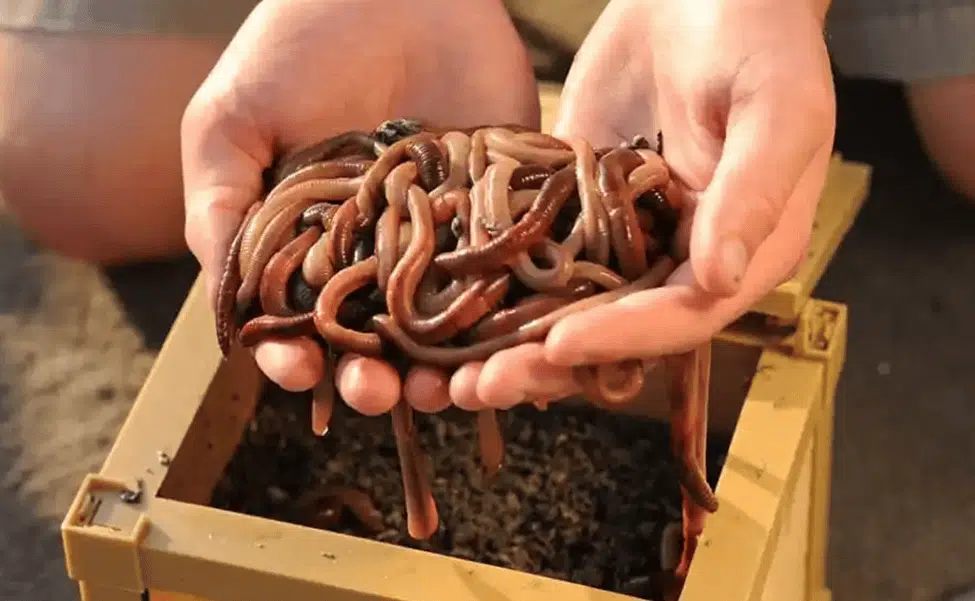
When fishing for trout, a straightforward split shot rig with pieces of live or artificial worms can be very effective. Real ones have a perfume and movement that attract fish, but artificial ones are effortless and come in various sizes, shapes, and colors. Fish are attracted to real ones because of their scent and movement.
Marshmallows
In addition to being an affordable and efficient bait option, marshmallows can also be used to catch trout in lakes. Put one or two marshmallows on a hook and cast them into the water along the shore. Trout will be drawn to the marshmallows as they float on the water's surface.
PowerBait
PowerBait is a well-liked type of trout bait available in many hues and aromas. The bait is a malleable dough that can quickly form onto a hook. PowerBait works well because it is suspended above the bottom, where fish typically congregate.Trout fishing tips for beginners
In the heat of July, trout can be more difficult to catch, but the challenge is half the fun. If you're starting trout fishing, here are some tips to help you.
- Time your trout fishing trip for the morning or evening, when temperatures are typically lower.
- One of the finest times to go trout fishing is immediately after significant rainfall. It is because rainfall increases water levels, changes the water color, and promotes larger trout to feed.
- When trout focus on eating smaller prey, such as when bugs are hatching, it's common for smaller baits to result in more bites. It is especially true during bug hatches.
Trout Best Rod Recommendations
Interestingly, you need the best gear when you decide to fish for trout. With several fishing rods available, finding one that suits your needs can be challenging. You need good equipment that is economical and suitable for other fish species.
The Gomexus rod is our pick for trout fishing. It offers serious anglers increased strength and sensitivity and improves weight for their adventures. Furthermore, the comfortable cork handle ensures a firm grip when holding it.
You can enjoy features such as easy fish control, premium graphite construction, and an invisible thread three-channel barrel casting seat. Overall, the best bait for the Gomexus rod includes crank and spinner baits.Conclusion
Trout fishing is always adventurous and fun if you do it correctly. However, it can be challenging and demanding if you don't use the right equipment, like the Gomexus rod. Peradventure, you haven't had much success; you don't have to give up. Patience when trout fishing is essential. Furthermore, you need the right location and bait to catch trout in a river or lake.
-
Loading More
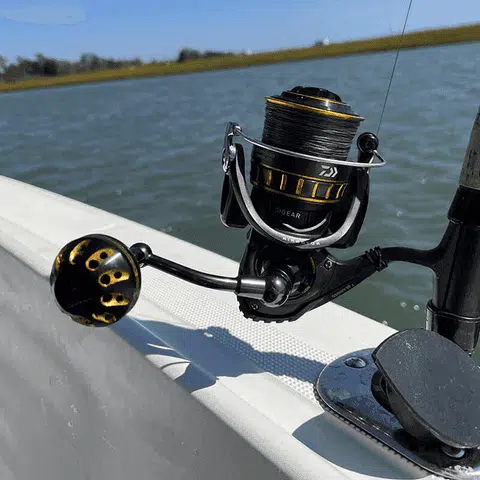
In addition to Shimano, Daiwa is another popular brand in the fishing industry. If you own a Daiwa reel and need to replace the handle knob, here's a step-by-step tutorial on how to remove and install a new handle knob on a Daiwa reel.
Daiwa is a leading manufacturer of fishing equipment and is known for producing high-quality reels. The company produces a wide range of fishing reels for different types of fishing, including spinning reels, baitcasting reels, and offshore fishing reels.
Daiwa Reel Introduction
Daiwa's reels are popular among both professional and recreational anglers for their durability, performance, and reliability. Daiwa produces a wide range of reels, including the popular Daiwa BG spinning reel and the Daiwa Tatula baitcasting reel.
Reel Handle Introduction
The reel handle is one of the most important components of a Daiwa reel, just like Shimano reels. The reel's handle knob may eventually be made to wear out, in which case a replacement is required. Also, anglers might wish to change the handle on their reel to match their rod or to personalize their fishing equipment.
Handle Knob Removal Tutorial for Daiwa Reels
This is a step-by-step guide for taking off a Daiwa reel's handle knob:
Step 1: Remove the Retainer Screw
Turn the retention screw counterclockwise with a screwdriver until it is released. As you remove the screw, take care not to lose it.
Step 2: Remove the Handle Nut
Loosen the handle nut by turning it counterclockwise with a wrench or pair of pliers. Once more, take care not to lose the nut while removing it.
Step 3: Remove the Handle Knob
After removing the handle nut, you can slide the handle knob off the handle arm.
Step 4: Remove the Handle Arm (if necessary)
If you must replace the handle arm, unscrew the screws holding it and remove it. Use a screwdriver to turn the screws counterclockwise until they come loose, and then lift the handle arm out of the reel body.
Step 5: Clean and Inspect the Reel Handle
Before installing a new handle knob, take a moment to clean and inspect the reel handle. Wipe it down with a clean cloth to remove any dirt, grime, or debris. Inspect the handle for any signs of damage or wear, and replace any damaged parts if necessary.
Step 6: Install the New Handle Knob
To install the new handle knob, simply slide it onto the handle arm and align it with the reel body. Make sure that the handle knob is seated properly on the handle arm.
Conclusion
I hope it was easy to use our Gomexus reel handle replacement guide to replace the handle knob of a Daiwa reel. It is a relatively easy process that can be done in just a few minutes with the right tools and a little know-how. Whether you have a Shimano or Daiwa reel, replacing the handle knob is a straightforward process that can be done at home with the right tools and instructions. By following the step-by-step tutorial provided in this guide, you can easily remove and install a new handle knob on your Daiwa reel.
-
Loading More
They tend to build their homes on reefs, and if hooked, they will rapidly run to their preferred hiding spot to throw you off their trail on the rocks.
They don't have a lot of stamina, but if you aren't paying attention, the initial rush might permanently implant the butt of the rod deep in your gut. Because of this, even very little grouper require pretty hefty tackle since the drag required to prevent them from returning to their reef can be pretty substantial. Here is where you need the best Gomexus grouper reel for your adventure.
Grouper Introduction
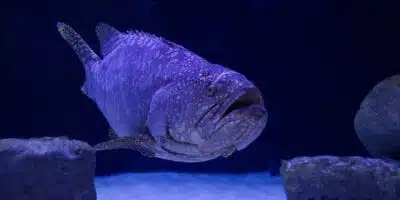
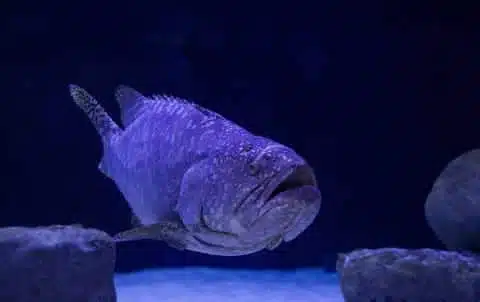
Grouper are a species that are attracted to structure and can typically be found on the ocean floor. Some of the best places to dive are shipwrecks, reefs, navigation marks, bridges, and areas with a hard bottom. Groupers conceal themselves within these formations before pouncing on unsuspecting prey. Grouper are opportunistic feeders, meaning they will consume nearly everything, including bait fish, crabs, and squid.
Grouper have disproportionately huge jaws for their bodies, allowing them to consume enormous baits. They frequently swim up to the surface and consume other reef fish hooked while being brought in on the reel.
One of the most appealing characteristics of grouper is the wide range of colors and patterns it may take on. There are so many distinct species of grouper around the world that you could spend your entire fishing career trying to catch them all, and it still would not be a life spent.
Because of its large size, grouper has been a popular target for spearfishers for a significant amount of time. Recently, grouper has become a protected species.
You could try fishing for them on the breakwaters near ports, where they like to hide. September through March, typically the coldest of the year, are ideal for catching grouper.
You will have the most success catching groupers if you use a boat and move forward until you reach the deepest areas. The fact that male groupers are the largest species is another intriguing fact to learn.
How to Catch Grouper?
You might think of several ways when you think about catching big grouper. Large live baits and jigs with dead bait work well for catching black grouper in deeper reefs and wrecks.
Anglers have a chance of getting these big fish out of their holes with heavy jigging gear. When fishing with big jigs and live baits near where groupers like to hang out, anglers should be ready to move the fish quickly.
You can catch grouper by trolling them or fishing on the bottom. To fish the bottom, you must use live bait on the hook. Using live bait is a great way to catch grouper that are swimming near the reef. Your hook can be tied to your baitfish in different places, like the throat, back, or nose. The ideal bottom fishing technique involves inserting the hook into your baitfish's neck.
Tools for catching grouper
To successfully fish for grouper, you'll need a rod between 4 and 4 1/2 meters long and can withstand 330 and 600 lb. of pressure.
Groupers are typically found in deep water, and they put up a fight when we try to drag them out of their holes, so you'll need a heavy fishing rod and lots of reels to catch one. The line diameter is between 0.6 and 0.8 millimeters. Hence, a large reel is required (the accurate size for groupers). Moreover, a spool of at least 300 meters in length is required.
You'll want to choose large and sturdy hooks to withstand the power of a grouper's jaws. Squid, chub mackerel, sardines, white crab, and octopus pieces are some of the best baits for grouper fishing because they are some of the fish's preferred foods. Nevertheless, they'll take everything you throw at them.
The best bait for grouper fishing
Live fish is the best bait for catching grouper. You can use whichever huge baitfish are common in your area. Hook a small reef fish of whatever kind is biting, insert a large hook, and release it if allowed where you are fishing. Many grouper will also consume squid and other crustaceans like shrimp. Although they have somewhat huge mouths, they are not particularly picky eaters.
The best bait for grouper fishing 1 2 3 4 5 bait sardine octopus pieces white crab squid chub mackerel Grouper drag settings
To protect your fishing line from snapping while reeling in fish that are too large to bring in fast, utilize drag. In addition to wearing a fish down, drag acts as a damper to prevent the fishing line and terminal tackle from being stretched to their breaking points.
Many fishermen "try to estimate" the drag setting by tugging the line off the reel to feel the tension. Still, unless you've developed a finely tuned sense of feel through years of fishing, it's best to use a scale to adjust the drag to the appropriate level before heading out on the water.
Grouper Rod and Reel Setup
When it comes to fishing for grouper, it's essential to have a reliable rod and reel setup that can handle the size and strength of these fish. Here are some recommendations for a grouper rod and reel setup:
Rod: Look for a heavy-duty rod that is rated for at least 50-80 lbs line and has a strong backbone to handle the weight of the fish. A good option is a conventional rod that is 6 to 7 feet long.
Reel: Choose a reel that can hold plenty of line and has a high line retrieval rate. Look for a reel with a drag system that is smooth and powerful enough to handle the strength of a grouper. A conventional reel with a line capacity of 300-400 yards of 80 lbs braid is ideal.
Line: Use a braided line that is rated for at least 80 lbs, as this will give you the strength you need to reel in big grouper. Make sure to tie your braided line to a strong fluorocarbon leader of 80-100 lbs test to prevent the fish from breaking off the line.
Terminal Tackle: For grouper, use heavy-duty circle hooks that are 6/0 to 8/0 in size, along with a sinker that is heavy enough to keep your bait on the bottom.
Gomexus suitable for grouper fishing reel
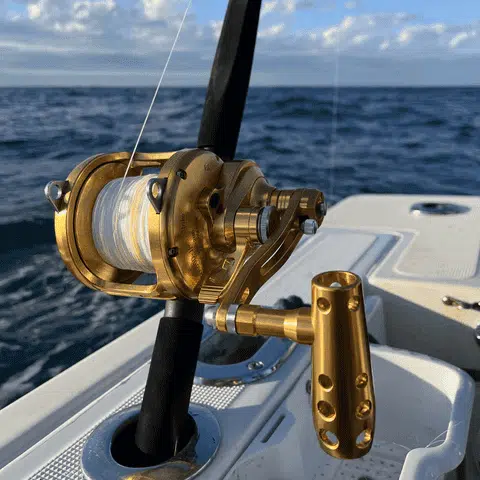
The Gomexus Saltwater Trolling Reel RA600D expands on the previous generation's achievements. RA600 was polished for a robust and saltwater-resistant finish. It offers the best 1-touch 2-speed shift mechanism on the market. It is a sizable big game reel with a CNC-machined aircraft aluminum frame and spool.
Its body and rotor are made completely of premium metal, guaranteeing accurate gear positioning. The fisherman can pull gently and lessen hand or forearm fatigue thanks to its distinctive shape.
Moreover, it features two gear speeds, making it simpler for the fisherman to utilize the same reel for both sorts of fishing. This specification is odd when compared to other reels, as you can see. It is one of the most suitable fishing grouper you need for the big catch you have ever wanted.
Conclusion
Grouper is often considered a classic bottom fish and is one of the most sought-after fish by both new and experienced anglers. You will surely have a great time if you are fishing for red, black, yellowfin, gag, or warsaw groupers. Nevertheless, you need the best Gomexus grouper reel for such a big catch.
-
Loading More
This Gomexus catfish fishing guide will unveil the best catfish fishing spot in America, the best bait for your catfish fishing, and how to choose the right hook when fishing.
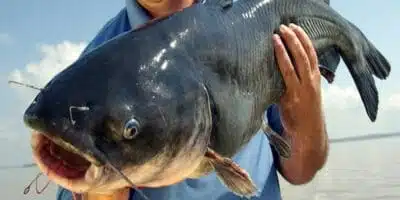
Catching catfish starts with knowing their classification. Knowing your target catfish is crucial to success. The main types of catfish you find when fishing include blue, channel, and flathead catfish. They may share waterways and prey, but they're fundamentally distinct. Here is a summary of the catfish classification.
- Flatheads
The hardest catfish to catch is most likely flatheads. They are solitary, elusive, and, once hooked, put up a fierce struggle. Even seasoned fishermen are satisfied to snag one large fish during a trip.
- Blue Catfish
The blue catfish is the largest and most valuable catfish in America. They can get big, with the all-tackle record being a whopping 143 pounds. Blue Cats are better than Flatheads because they don't live alone. You can catch many of them or just one giant at a time.
- Channel Cats
Channel Cats are much smaller than their cousins, who are blue and have flat heads. Most fish don't weigh more than 20 pounds, and when anglers go after them, they usually care more about how many they catch than how big they are. You do get a monster occasionally, though. Fish around 50 pounds are in record books and on mantles.
The best bait for catfish fishing
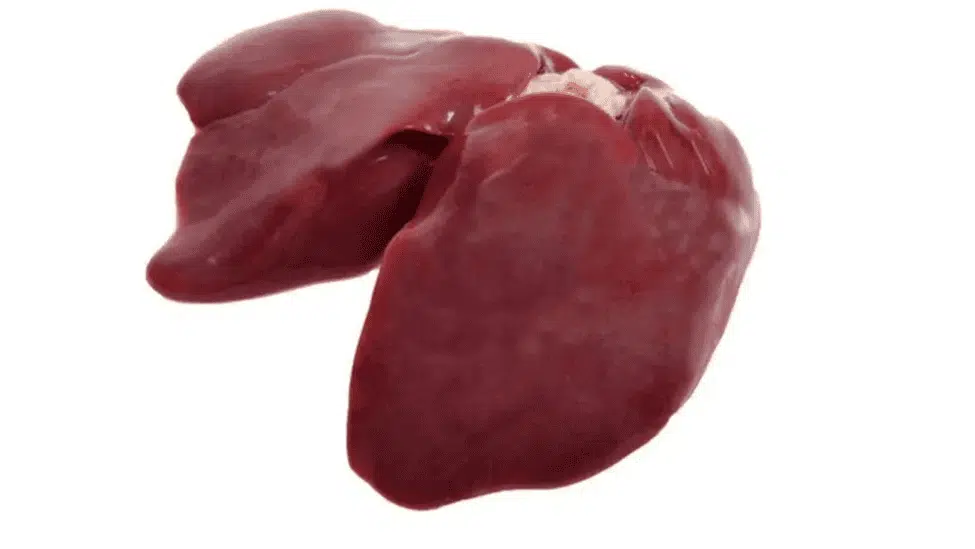
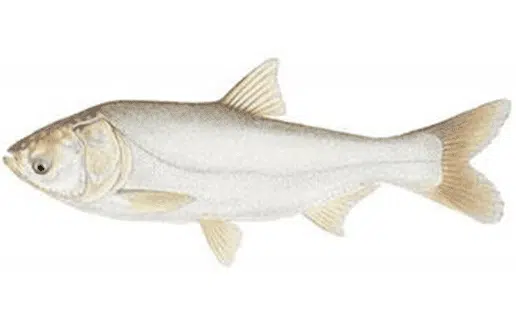
Best bait for catfish fishing Serial Number 1 2 3 4 5 6 7 Catfish Baits Chicken Livers Asian Carp Stinkbait Skipjack Herring White Suckers Gizzard Shad Nightcrawler Picture 


Best Catfishing Spots in America
Best Catfishing Spots in America Serial Number 1 2 3 4 5 6 7 8 Fishing locations Lake Caddo, TX Lake Texoma Lake Mendota, WI Lake Marion San Carlos Reservoir, AZ Lake of the Ozarks, MO Logan Martin, AL Grand Lake, OK Choosing the Right Hook for Catfish
Catfishing is fantastic because you can get started without expensive equipment. When fishing for trout, there aren't millions of possible hooks, lures, jigs, and other equipment combinations.
When selecting catfish hooks, presentation, bait size, the size of the catfish being targeted, and the attitude of the catfish are the four most critical considerations. The time of year and the temperature of the water are two factors that can affect the kind and size of catfish hooks that should be used.
Best time to catch catfish
The idea that catfish must be caught at night is a misconception about them. Although most people go catfishing after dark, you can still catch big fish during the day. It depends on the species you're pursuing and the area where you're fishing.
Most flatheads are nocturnal. They are pleased to leave their shelter or hiding place at night. Although this is the perfect time to locate them, you can also catch Flatheads outside by utilizing the cover they frequently hide in.
Irrespective of the hour of the day, blue and channel catfish have their timetable for eating. One thing to remember is that if there is a massive wave to hunt in, giant Blues will be more active throughout the day. They primarily hunt at night in still waters.
The fastest way to catch catfish
- Use the right bait:Catfish are known to be attracted to strong-smelling baits such as chicken liver, shrimp, and worms. Use these baits to increase your chances of catching catfish.
- Fish in the right location:Catfish tend to hang out in deep, slow-moving water or in areas with lots of cover such as logs, rocks, or weeds. Look for these types of areas when fishing for catfish.
- Use the right equipment:Use a medium to heavy action rod with a strong line, as catfish can put up a strong fight. Also, consider using a slip sinker rig, which allows the catfish to take the bait without feeling the weight of the sinker.
Catfish Fishing Tips
Catfish, often looked down on in fishing because they eat things on the bottom, have become popular again in recent years. The reasons for this are easy to understand: catfish are easy to find, fun to catch, get very big, and taste great when cooked.
Tips on catfishing, on the other hand, are hard to find. Ultimately, if you've never tried to catch a catfish, this is the year to do it. Here are a few tips to help you start catfishing.
- Opt for Nighttime Fishing
Even while catfish can be caught at any time of the day, they are most active at night because of genetic modifications that allow them to pounce on dormant prey species. So, if you fish when the sun goes down, you can expect more bites and a better chance of catching a big fish.
- Being patient is crucial
If it is permitted, check your rules, and throw out two more rods. Use rod holders. First, set the drag lightly so that the rod doesn't fall into the lake by accident. Then, put the rod on a rock and get ready.
- Raise your bait From the Ground
Smelly baits work well because catfish rely heavily on their sense of smell and touch when feeding, especially at night and in muddy rivers. However, getting your baits off the ground will result in a far more noticeable smell trail. Try using bobbers, inline floats, or floating jig heads to make your smell trail travel further.
- Change Baits
try chicken livers, sliced shad, or bluegill. One of the best catfishing techniques is to try multiple baits until the fish bite, then let them choose.
FAQs
- How to catch catfish in a river?
Cut bait is the traditional method for catching catfish. Little pieces of baitfish are threaded onto a weighted hook and strategically positioned or floated in the river. The odors and funkiness of cut bait continue to attract catfish. The anise flavoring in these smoked shad preserves is irresistible.
- How to catch catfish in a pond?
It would be best to familiarize yourself with the catfish size at the pond you intend to visit. Use the appropriate equipment if there are any large specimens. Fish can better hear and see you in a pond because ponds are often shallower and quieter. If you want to catch fish in a pond, you need to be quiet and not draw too much attention to yourself.
- How to catch catfish in lakes?
To catch catfish in lakes, use strong-smelling baits such as chicken liver, shrimp, worms, or commercial stink baits. Cast your line in areas of the lake where the water is deeper, and the bottom is muddy or covered with debris such as logs or rocks. Nighttime is often a good time to catch catfish, and using a slip sinker rig can increase your chances of success. Be patient, as catfish can take some time to bite, and consider using a fish finder to locate schools of catfish.
- Do catfish stay in deep or shallow water?
Catfish are mostly carnivorous and reside in deeper water; nevertheless, they will venture into shallower water to feed, particularly at night. Catfish are known to be nocturnal feeders.
Conclusion
We have seen in this Gomexus catfish fishing guide that many people who care about freshwater quality avoid catfish. But, there is just as much variety among them as there is among Trouts and Bass, yet most people treat them as identical. They are forgotten about and thrown in with the "rough fish." Catfish aren't given the credit they deserve, but serious anglers know they're up there with the best of them as top-tier game fish.
-
Loading More
Plus, you also have to make sure of acquiring the right licenses to keep your angling activities on the green radar of the law.
In this Gomexus Fishing Guide, we will be looking at some of the necessary and important information that you need to know to make the most out of your fishing trips in Florida.
Let’s get started.
Introduction to Florida Fishing Hours
One of the first things that you have to properly acquaint yourself with before going fishing in Florida is the right fishing time. There’s a time for everything, and the same goes for fishing in the Sunshine State.
There are certain types of fish that only surface (quite literally, in this context) during the Spring and Fall times whereas there are other species that are in full bloom during the hotter summer months.
And, the good thing about Florida is that even during the colder times of the year, you can still find some game to reel in. Even though things slow down and thin out a little, you’ll still be able to catch something should you decide to take your tackle to the waters sometime during…November.
To help you get a good idea about the types of fish that you’ll be likely to catch during the different times of the year, here is a brief list of some of the common species and the months in which they’re likely to appear.
What is the best fish to catch in Florida each month Jan Feb Mar Apr May June July Aug Sept Oct Nov Dec fish species Trout, Flounder, Sheepshead Pigfish and Flounder Bluegill, Tarpon and Redfish Tuna and Mahi-Mahi Amberjack, Trout and Vermillion Snapper Yellowtail, Grouper and Red Snapper Tarpon and Largemouth Bass Snook King Mackerel and Blackfin Tuna Redfish, Bluefish and Snook Flounder, Trout and Mullet Blackfin Tuna and Kingfish Introduction to Florida Fishing Locations
Just as you have to find the right time for angling, you also have to find the right place. A certain species can exist in abundance in a certain area while having an excessive dearth in some other location.
Other than the species, the places that you’ll need to visit for your angling sessions can also differ depending on the type of fish you want to catch. You can’t go to the same places for freshwater fishing as you’d go for saltwater fishing.
Considering the above, here are some good locations in Florida that you can try out for both types of fishing.
Best Florida Fishing Spots 1 2 3 4 5 6 7 8 9 10 11 12 freshwater fishing locations Everglades Canals Winter Haven LakesWinter Haven Lakes Lake Marian Orange Lake Wascissa River Tampa Bypass Canal Holmes Creek Lake Trafford Turkey Lake Lake Harris Eagle Lake Escambia River offshore fishing locations Palafox Pier Destin Bridge Marler Park Anclote Keys Egan Park John's Pass Banana River Parrish Park Daytona Beach Pier Highbridge Park Sunrise Park Cockroach Bay Introduction to Florida Fishing Companies
If you’re experienced enough and if you have the right gear for it, you can easily go fishing on your own. But, if you’re a rookie or just new to the state, there are a lot of fishing companies that you can take help from.
By hiring the right fishing company, you’ll be able to snag a proper boat for your angling session as well as the necessary equipment. You’ll also get to enjoy the guidance of an expert angler on board.
There are a lot of companies and charters that you can find in Florida. For your ease and edification, we’ve singled out these twelve along with their starting costs.
Best fishing companies in Florida + boat charter costs 1 2 3 4 5 6 7 8 9 10 11 12 company name All Good Charters Dreamaker Fishing Charters Boca Grande and Beyond Old Town Charters Rebel Coast Charters Florida Panhandle Charters Reel Floridian Fishing Mangroveman Charters Capt. Evan Denis Charters Full Throttle Fishing Charters B & B Charters JT Fishing Charters charter fee $300 $500 $550 $500 $300 $500 $495 $360 $500 $350 $350 $300 Do I Need a License for Freshwater Fishing in Florida?
Yes, you require a license for freshwater fishing in Florida. Fishing is governed by several rules and regulations in the state. Not carrying a license when fishing can bring out certain legal consequences, such as monetary fines.
There are different licenses for both freshwater fishing and saltwater fishing that necessarily have to be possessed by anglers unless they are exempt as specified by state laws
How Much is a Freshwater Fishing License in Florida? How Much do Residents Need and How Much do Non-residents Need?
The cost of the fishing license depends on the time period for which it is required. It also depends on the types of fishing activities it covers.
For Residents: Freshwater licenses start at $17 (on an annual basis). They can go up to $100 if you’re buying the Lifetime License.
For Non-residents: Freshwater licenses can start at $17 for a three-day period. The amount can go up to $47 for the annual license.
How to Get a Freshwater Fishing License in Florida?
There are several methods for getting a freshwater fishing license in Florida, such as:
- Visiting your tax collector’s office
- Calling the toll-free 888-FISH-FLORIDA number (888-347-4356)
- Visiting com
- Retail stores like Wal-Mart and K-Mart
Florida Freshwater Fishing Regulations
There are a lot of different rules and regulations that you have to abide by when doing freshwater fishing in Florida. There are guidelines for different species of fish as well as for different areas in the state. For details, you can refer to the regulations provided by the official Florida Fish and Wildlife Conservation Commission website.
Consequences of Unlicensed Fishing in Florida
If you are caught fishing without the proper license in the state of Florida, you will have to pay the licensing fine as well as an additional penalty. The latter can start from $50 and go to $100 depending on the frequency of the violation in a specified time period.
Conclusion
Before you bring out your tackle and “tackle” the Sunshine State’s angling opportunities, you need to make sure that you have the rules all noted down. And of course, other than the official and legal requirements, you also need to acquaint yourself with the ideal locations and times for angling.
In this post, we covered all of these aspects in detail. We hope you learned something here that can come in handy the next time you decide to go fishing.
-
Loading More
Are you looking for a simple guide to help you clean your fishing reel? Whether you own a Gomexus gear or any other brand, this Gomexus reel cleaning tutorial will help you get through it with ease. After an exciting but tiring day outdoors fishing, all you want to do is head home and take a rest. But one thing you wouldn’t want to skip is cleaning your fishing reel.
Fishing on a salty and brackish water lake requires cleaning the reel for better efficiency and prolonged durability. Saltwater and metal don’t get along so, cleaning after every trip saves you more money in replacing your gear from time to time.
Even if you only fish on freshwater sources, still cleaning the reel after every 5 fishing trips is still important. Are you new to the idea of cleaning the reel? Let’s get you started on this cleaning tutorial, shall we?
The Tools You Need To Clean A Fishing Reel
Proper and thorough cleaning of the reel, especially after fishing in saltwater requires the right tools. Before heading out on your fishing escapade, make sure you have the following tools with you:
- Screwdriver pair – get the Philips head and standard screwdriver.
- A small wrench.
- Pair of forceps or tweezers.
- Toothbrush for scrubbing.
- Toothpicks for removing tiny debris and speckles.
- Reel oil.
- Boat cleaner solution for removing oil, dirt, and other debris.
- A jar or container for holding the disassembled parts.
- A clean rag.
- cotton swabs.
- Notebook and a pen.
- Sticker labels.
A point of caution; don’t try to use dish cleaner or other harsh detergents in place of the boat cleaner solution. Also, avoid light fluids like gasoline as this and other solvents will deteriorate the plastic coatings and eventually destroy your reel.
How To Take Apart A Fishing Reel?
Before starting the cleaning process, you need to take apart the reel after detaching it from the rod. This phase requires steady hands and patience because the reel can be difficult to disassemble.
- First, secure the fishing line using masking tape or remove it from the spool. This bit helps to stop the line from being tangled up. If your reel is a spincast type, you’ll have to disassemble it, feed a section of the line and secure it.
- Loosen up the drag cap on top of the spool using the small wrench and the head will come out easily.
- Once the head spool is out, get the center shaft out as well. Next, remove the crank handle, clutch ring, crank bearing, and washers. Use the pair of tweezers to carefully remove these parts.
- Keep the parts on a clean paper towel and label each appropriately. Take caution; you’re going to come across plenty of small delicate parts that shouldn’t be misplaced.
- Once you’ve taken apart the reel, the toothbrush comes in handy to scrub off debris and dirt. Dip the toothbrush in the boat cleaning solution and gently scrub the reel assembly’s inner section. Repeat the cleaning process until the small parts are also clean.
Spinning Reels and Baitcasting Reel Cleaning Methods
Whether you’re an experienced angler with a baitcasting reel or an intermediate with a spinning reel, the cleaning task should be the easiest across the board.
Spinning reels cleaning method
Compared to spincast reels, taking the spinning reel apart and cleaning it is much easier. but still, you need to be extra cautious not to misplace or damage those tiny parts.
- First, use fresh water to clean the spinning reel. Here, soaking it first before cleaning isn’t a must. But if you use the spincast reel to fish in saline or brackish water lake, pre-soaking the reel is recommended.
- Ensure the line is secured as described earlier, before starting the cleaning.
- Remove the spool then give it a good scrub with the toothbrush. Using the pair of tweezers, remove the spool washers and bushings. Next, remove the handle knobs, pick-up pin, and arm.
- Next, you need to work on your reel’s crankshaft. Extract the gears, center shaft, and clutch screws. Removing the roller wheel and the ball bearing should be the last thing to do.
- Don’t forget to document everything removed. The best way to know what goes where later is to number them accordingly.
- Soak the toothbrush in the cleaning solution and scrub the disassembled parts. After that, gently dry them up with a clean rag while taking care not to break or bend anything.
- Use the reel oil to lubricate the handle knob, arms, spool release, bearing ball, and pick-up pin. Just apply the oil sparingly without soaking up the parts.
- Grease up the whole crank system and the main shaft. Don’t forget to apply some grease on the pickup arm, bushings, washers, and roller wheel.
- Remove excess grease with the cotton swab to prevent greasy mud from forming there.
- Use the manufacturer’s manual to put every part back in its place. Most Gomexus reel cleaning tutorials from the manufacturer come with a reel assembly guide that you can use to assemble your real.
Baitcasting Reel Cleaning Method
Baitcasting reels are suitable for experienced anglers. They’re not only difficult to use, but the cleaning process can also be a little difficult.
- Begin by loosening the reel’s drag knob then remove the whole drag system together with the spool.
- Spray some clean freshwater on the reel then scrub the dirt off using a toothbrush. Repeat the process to remove all the dirt lying in the spool.
- Next, loosen the track tension knob then remove the spool shaft plus other parts in the same area. These include the pinion gear, stabilizer, gear, and shaft guard.
- Use the pair of tweezers to remove the bushings, slider release, spool release, and handle knob. Remember to label each part with numbers and record them in a notebook for easy assembly when putting them back.
- Using the toothbrush, gently scrub off dirt from each part. For quick and effective cleaning, dip the toothbrush in the boat cleaning solution before scrubbing.
- Finalize the cleaning by scrubbing the inner part of the reel then dry everything with a clean rag.
- Lubricate the parts using the reel oil, without forgetting the handle knobs, spool shaft, and ball bearings.
- Other parts that need lubricating include the main gear, pinion yoke, gear, and shaft guard. They don’t have to be soaking wet with the oil, so wipe off the excess with a cotton swab.
- Following your notes and the labels put everything back in place.
What's The Best Thing To Clean A Fishing Reel With?
Have you heard of anglers who clean their reels with gasoline? While it will give a shiny feel, it’s detrimental in the long run. Gasoline and related fluids can react with the plastic components of the reel and wear them out easily.
Instead, use a boat cleaning solution, which is nothing but a mixture of vinegar and lukewarm water. Alternatively, you can also use mild detergents if the fishing reel hasn’t been cleaned for a while.
Cord Reel Care and Maintenance Guide
Apart from cleaning the reel, the fishing reel also needs thorough maintenance to keep it performing impeccably. Follow this Gomexus reel maintenance tutorial to keep your Gomexus reel in good condition until the next use.
Clean your reel regularly
Always clean the reel after every fishing session on saltwater and 5 times on freshwater.
Lubricate moving parts
Keep the moving parts lubricated. These include the pickup arm, line guide, and handle knob. Use only high-quality grease or reel oil specifically designed for fishing reels.
Store the reel properly
Ensure the reel is kept in a cool, dry place when not in use. Avoid exposure to extreme temperatures or moisture, to prevent rusting and corrosion damage to the components.
Do regular inspection
Regularly check the reel for signs of damage or wear, like cracks, corrosion, or worn-out moving parts. Don’t keep using the reel with a worn-out part, instead do a replacement before your next use.
Properly use the reel
Ensure you’re using the reel for the type of fishing line it was meant for. Using a reel that is not designed for the specific type of line can cause damage to the reel or line, and pose a safety hazard.
Wrapping It Up
Every angler knows how best to handle their fishing rod when battling a big catch. But the cleaning part is where most draw the line. Regularly cleaning your fishing reel is the trick to ensuring it’s always ready for the next fishing trip and lasts longer.
Always clean the reel after fishing on saltwater to remove salt buildup and corrosion of the metallic parts. If you mostly fish in freshwater, clean the reel every 5 to 10 trips. Follow the same Gomexus reel maintenance tutorial for both the baitcasting and spinning reel to keep your gear in excellent shape and durable for longer.
-
Loading More
Did you just get yourself a Gomexus fishing reel and are now looking for a simple Gomexus saltwater fishing guide? Are you looking for a new hobby that can hook you up to the beauty of nature? If you’re surrounded by saltwater sources, then saltwater fishing is just the right pastime to hook yourself onto. Saltwater fishing comes with unique experiences combining the excitement of the ocean and the thrill of making a catch.
The good thing about fishing is that there are no age or skill level requirements. Whether the saltwater body you’re planning to use is inland or off the seacoast, it’s just the right spot to make some saltwater fish catch. In this Gomexus saltwater fishing guide, we’re going to cover the basics to set you on the right path to mastering the art of saltwater fishing.
We'll cover everything about the right gear, techniques, types of saltwater fish, and the best times to go fishing. Whether you’re getting started with saltwater fishing or you already are a skilled angler looking to spice up your skills, you’re at the right place. So brace yourself for some learning excitement and let's get started!
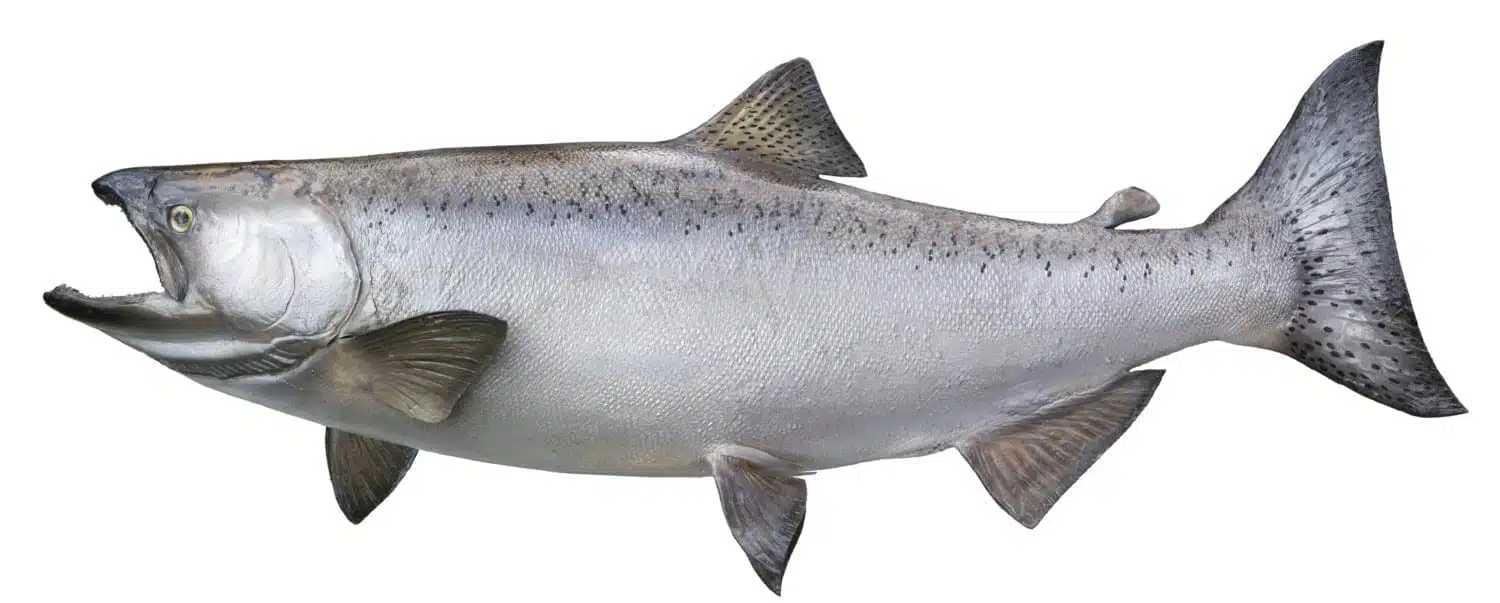
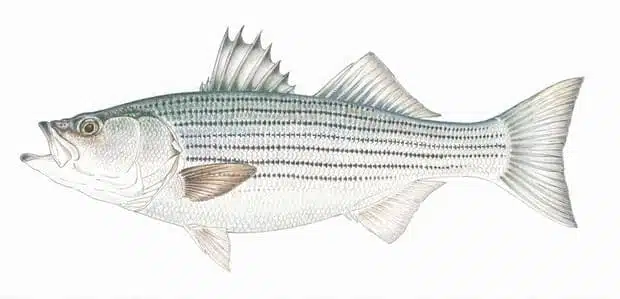
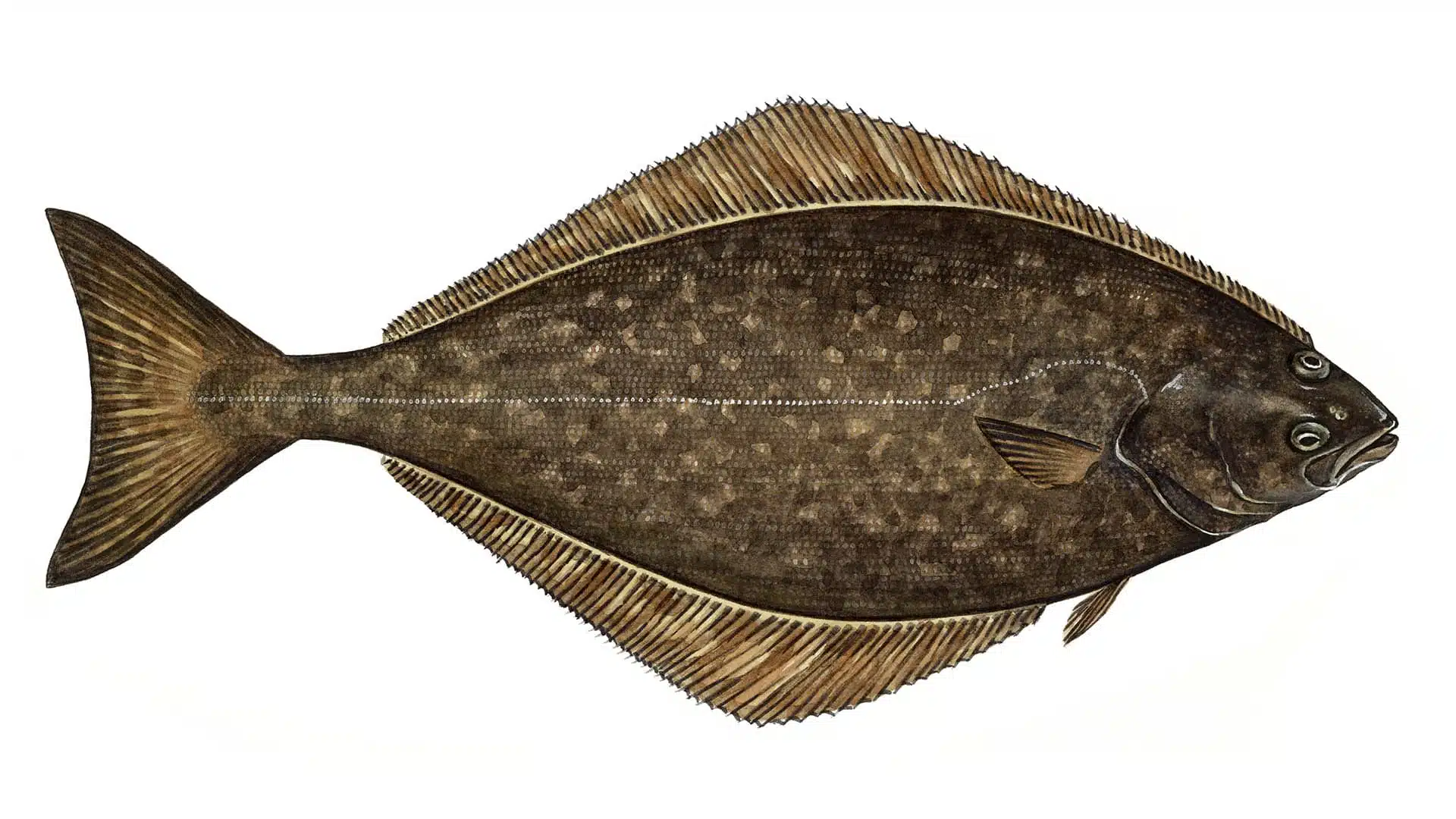
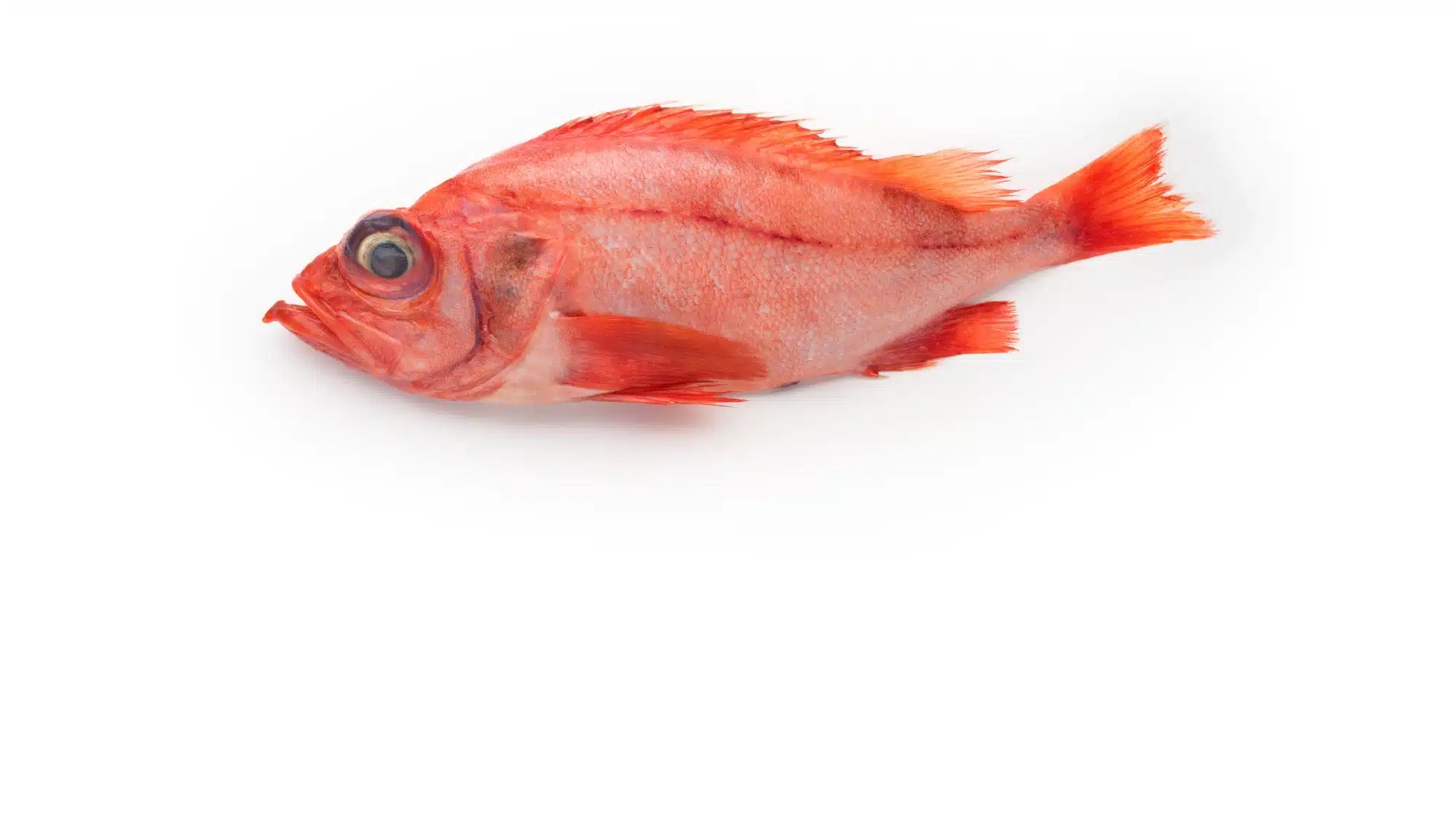
The Most Common Saltwater Fish
In saltwater fishing, there are plenty of fish species that are easy to come by and catch as a beginner. These fishes often don’t put up much of a fight and can be caught while seated or standing on a pier in backcountry water. Then there are the popular species that require a skilled crew of anglers using the heaviest fishing gear on sea waters.
No Saltwater fish name picture 1 King salmon 
2 Striped bass 
3 Pacific halibut 
4 Redfish 
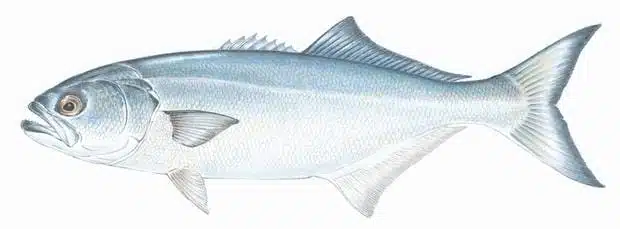
5 Bluefish 
Saltwater Fishing Gear For Beginners
Now that you know a couple of saltwater fishes to expect, you need to prep yourself with the right fishing gear. Saltwater fishing gear is somewhat different from freshwater fishing as it depends on the salinity of the water, the fishing spot, and the time. The better equipped you are, the easier it will be to master the craft of fishing.
Fishing rod
Your choice of the fishing rod needs to strike a balance between sensitivity and strength. The most ideal rod for beginners is the medium-power fishing rod ranging between 6ft and 7ft. Medium power rods offer enough strength to turn a heavy fish like the redfish away from mangroves or rocks.
Fishing reel
When it comes to choosing the reel, spinning reel performs better with beginners since they provide easy handling and are ideal for various fishing situations. Go for a reel that offers an excellent drag system, a solid build, and smooth retrieval.
Make sure the reel is corrosion-resistant ( has sealed gear and drag system). a saltwater fishing reel ranging between 2500 and 3500 and can accumulate up to 200 yards of line capacity.
Fishing line
A braided fishing line makes an excellent choice for saltwater fishing, as it's strong and durable, and can help you fight larger fish in saltwater much better. The braided lines should be 10-15 pounds, combined with about 20-pound fluorocarbon leader material. If you’ll be fishing in saltwater full of rocks, dock pilings, or oyster bars, go for the heavier option of leader material.
Hooks
These are also important saltwater fishing gear for beginners. Choose the 2/0 circle hooks if planning to use 8-10 inch long worms and the 3/0 hooks for soft plastic bass baits. Another important baiting tip is rigging a live bait like shrimp below the popping float to increase the bites.
Apart from being armed with the right saltwater fishing gear, you need suitable clothing to keep you safe, no matter where you’ll be fishing at. Make sure you’ve packed your rain jacket and boots to keep you dry and clean. Breathable saltwater waders come in handy when saltwater temperatures start to rise. Other important gears include a windproof and waterproof hat, polarized sunglasses, sunscreen, and a hat.
The Choice Of Baits For Saltwater Fishing
Choosing a bait mainly entails presenting a bait as food to the fish you want to catch. Before setting for any type of bait, consider the traits of the fish such as sense of sound, scent, and movement. There are two types of baits; live or artificial. Live bait often appears more natural and appealing to the fish, but artificial baits have also been improved to make them more alluring to the fish.
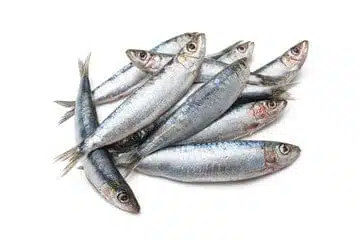
No Bait name picture 1 Pilchard bait 
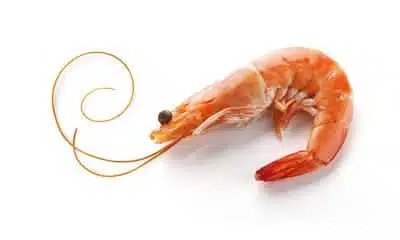
2 Shrimp 
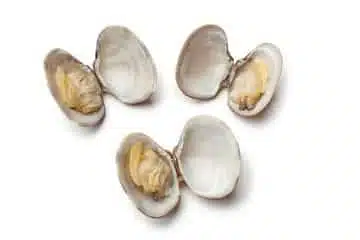
3 Clams 
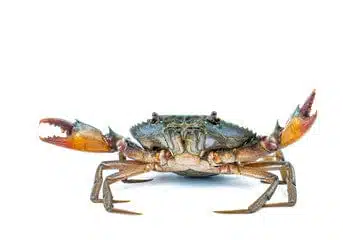
4 Crab 
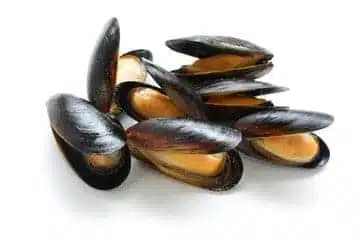
5 Mussels 
6 Squid 
The Best Beginner Saltwater Fishing Setup
Your first saltwater fishing experience is greatly dependent on your gear setup. Prepping your fishing pole ready for a big catch is among the most challenging bit for new anglers. But after getting a good grasp of how to rig, the roles of each part, and the configurations, the process will be much simpler.
The rig is a combination of swivels, snaps, sinkers, and hooks that are added to the fishing line end. There are different types of setups that you can do depending on where you’re fishing and the fish species you’re targeting. for anglers just getting started, the best saltwater fishing setup is the fish finder rig.
Setting up the Fish Finder Rig
Also known as the Hi-Lo rig, the fish finder rig is ideal for targeting all the saltwater fish species including the flounder, croaker, king salmon, bluefish, and redfish. It comprises two hooks, float, and weight. The hooks are tied at different levels, with one near the bottom and the other near the surface, allowing the angler to cover different depths.
- Gather your equipment. You'll need a fishing rod and reel, a spool of fishing line, a weight, a swivel, two hooks, and a float. The hooks should be of different sizes, with one being larger than the other. The Gomexus Saltwater Trolling Reelhas excellent strength and sensitivity suitable for beginners to catch heavy giant sea fish.
- Tie the weight to the end of the fishing line. The weight can be a sinker or a split shot, depending on the depth and current you will be fishing in.
- Attach a swivel to the end of the line, above the weight. This will prevent the line from twisting when you are reeling in.
- Cut a length of leader material and attach one end to the swivel. This leader should be about 12-24 inches long, depending on the size of the hooks and the bait you will be using.
- Tie the smaller hook to the end of the leader.
- Cut another length of leader material and attach one end to the swivel. This leader should be about 12-24 inches long, and it should be longer than the first leader.
- Tie the larger hook to the end of the second leader.
- Attach a float to the line, above the swivel. The float should be adjusted so that the bait is suspended off the bottom at the desired depth.
- Bait both hooks with appropriate bait for the species you are targeting, such as worms, squid, or baitfish.
- When you’re set to start fishing, cast your rig into the water and allow it to sink to the preferred depth. You can then retrieve the rig slowly and steadily, or you can let it sit in one spot and wait for a bite.
The Best Time Of Day For Saltwater Fishing
When set and ready to take on the fishing adventure, your timing dictates how successful your first experience will be. Generally, fishing early in the morning or late in the evening when the water is calm is the best.
Early morning
Fishing at dawn or early morning is the most suitable for saltwater fishing since most species are feeding actively at that time. since the water is cool, the fish also tend to be more active and will move vigorously.
Early evening or late afternoon
Just at the start of sunset, water temperatures start lowering and this increases the aggressiveness of most fish species. As their productivity enhances, it increases your chances of making a catch without so much hassle.
During tidal movements
As the water tides blow closer to the shore, predatory fish species will be attracted to the baitfish swept to the shoreline. As the water tides retract back into the sea, the baitfish concentration increases and this makes it easier to catch predatory species like the bluefish.
The tidal movements and the weather must also be favorable, otherwise, apart from coming back with nothing, you might also expose yourself to danger.
Shore Saltwater Fishing Tips
Saltwater fishing is a fun sport for its easy accessibility and the little investment needed to get started. Armed with the right fishing rig, know-how, and tips, your first fishing escapade shouldn’t be difficult. So, here are the essential tips that experienced, intermediate, and novice anglers can use to make their day on the shore more productive.
Check your fishing license requirement
Depending on your location, a fishing license might be required. If you’re aware that it’s required, check to ensure your license is up to date if you have one. if not, apply with the relevant local authorities to avoid getting into trouble.
Spot baitfish and birds
Birds often feed on the baitfish, so wherever birds are flying in and out of the water, there’s plenty of baitfish. These are food for the bigger predatory saltwater fish like perch and salmon. Cast your fishing line in such places for a higher probability of making a catch.
Cast your line in dark deep waters
Most large fish species tend to lurk around deeper water areas waiting to attack the baitfish when they swim by.
Watch out for the tides
When tides are moving, that’s when the most delicious fish species are also active. Track when the high and low tides change and start your fishing adventure an hour after or before.
Understand the fish migration patterns
Fish often have migrations during certain periods of the year. Do your homework to know when certain species migrate along the coast of your local area. This is one excellent tip that can make your fishing experience more lovely if you master the migration patterns.
America's Best Saltwater Fishing Spots
Are you planning a fishing adventure and wondering where to get the best saltwater fishing grounds in the US? There are plenty of both offshore and inshore fishing spots that can challenge skilled and new anglers. Check out these 10 saltwater fishing spots in the US:
No Saltwater fishing spot 1 Cape Cod, Massachusetts 2 Kona, Hawaii 3 Strait of Juan De Fuca, Seattle, Washington 4 Chesapeake Bay Junction, Virginia Beach, Virginia 5 Homer, Alaska 6 Galveston Bay, Texas 7 Florida Keys, Florida 8 Montauk Point Coast, New York 9 Destin, Florida 10 Charlestown, South Carolina It’s A Wrap!
Saltwater fishing is a rewarding and fun experience, but can also turn out to be intimidating for starters. The best way to make your saltwater fishing more enjoyable is by choosing the right fishing gear, setting up your rig correctly, knowing when to fish, and the behavior of different fish species.
Also, get closer to the local anglers because they understand saltwater fishing much better than any basic Gomexus saltwater fishing guide you could ever find. After spotting your fishing ground, research the specific fish species you need to target and seek advice from local fishermen in the area.
-
Loading More
If your significant other is a fisherman, consider getting them a red-themed gift such as a Gomexus Valentine’s Day Fishing Tackle to show your love and affection for them. Still trying to figure out what to get them? Here are some of the best red Valentine's Day gifts for fishermen.
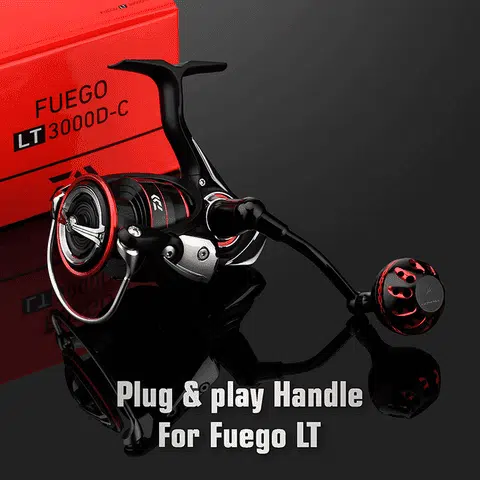
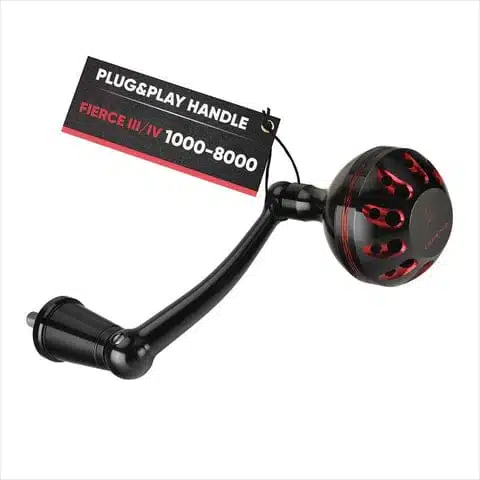
1.Gomexus Plug&Play Aluminum Power Handle
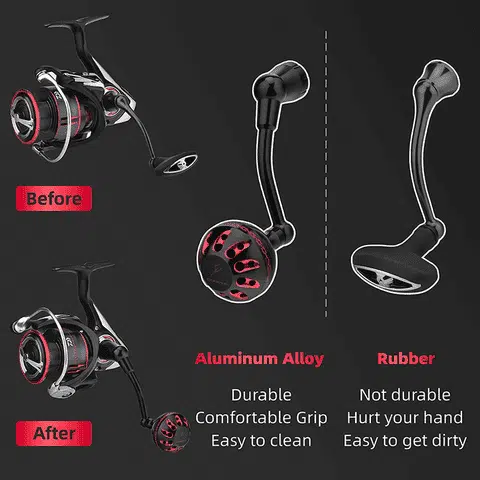
The Gomexus Plug&Play Aluminum Power Handle is a high-quality fishing reel handle designed for increased comfort and improved fishing performance. Made of aluminum, it is durable and lightweight, providing a smooth and easy grip while reeling in a catch. This power handle is compatible with most fishing reels and can easily be installed (within 10 seconds).
Moreover, the reel features the latest advancements, a remarkable weatherproof, and an improved round knob. This Plug&play handle comes with a cutting-edge design and is black and red, making it a practical Valentine’s Day Fishing Tackle gift for any fisherman.
Valentine's Day Prices:$26.95
Applicable Brand: Penn Fierce
Valentine’s Day service:
Free Nationwide Shipping one year warranty
Valentine's Day Lettering Service 30-day easy returns2.Gomexus Carbon Baitcasting Reel Handle
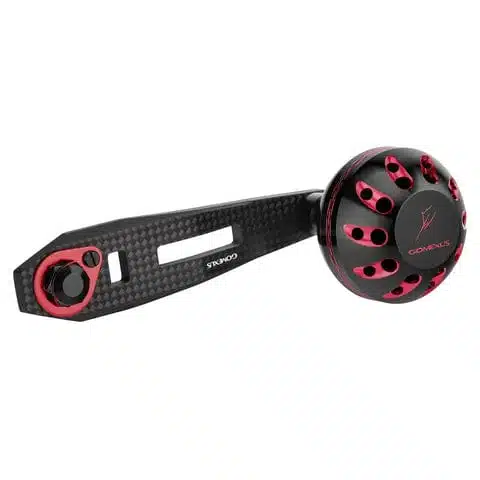
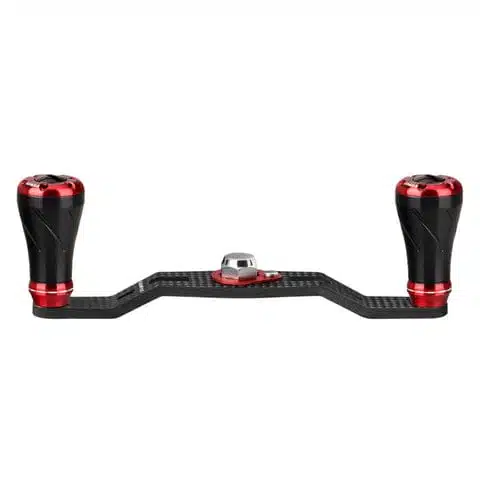
The Gomexus Carbon Baitcasting Reel Handle is a high-performance fishing reel handle suitable for baitcasting reels. Made of carbon fiber, the handle is lightweight, hence, adding no weight to the fishing reel. Besides, the handle is made of high-quality aluminum handle, which provides comfort and an ergonomic grip.
The handle also uses smooth stainless-steel bearings to improve the overall fishing experience and reducing friction. As a result, the Gomexus carbon baitcasting reel handle makes an excellent gift for any serious fisherman who uses a baitcasting reel.
Valentine's Day Prices:$26.95
Applicable Brand: Shimano, Daiwa, Abu, 13 Fishing, Penn, Lew's, Quantum
Valentine’s Day service:
Valentine's Day Lettering Service one year warranty
Free Nationwide Shipping 30-day easy returns3.Gomexus Carbon Baitcasting Reel Handle
If you are looking for the perfect Red Valentine’s Day gift for a fisherman, then the Gomexus Carbon Handle Baitcasting Reel with Aluminum Knob should be on your list. Firstly, this is an aftermarket reel handle designed to upgrade a baitcasting fishing reel. It is made of TORAY carbon fiber and features an aluminum 95 mm knob for improved grip and comfort.
The handle is designed to improve the reel's overall performance and is easy to use. Besides, the item includes Japanese NMB bearings for durability and sensitivity to sense bait underwater.
Valentine's Day Prices:$26.95
Applicable Brand: Shimano, Daiwa, Abu, 13 Fishing, Penn, Lew's, Quantum
Valentine's Day service:
Valentine's Day Lettering Service 30-day easy returns
Free Nationwide Shipping one year warranty4. Gomexus Aluminum Baitcasting Reel Handle
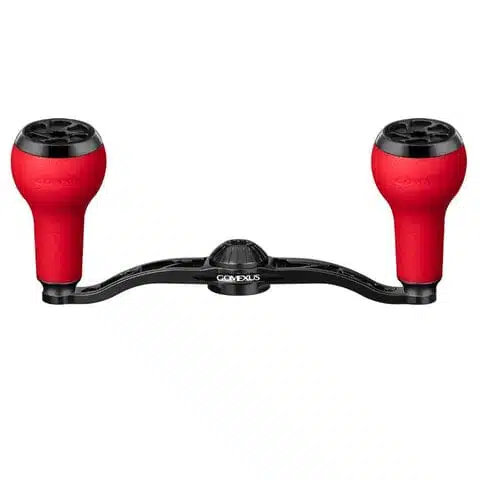
The Gomexus Aluminum Handle for Baitcasting Reel with TPE Knob makes a pleasant Valentine’s Day gift, thanks to its accessories and ergonomic knob. Additionally, the handle is lightweight, has a flat knob that prevents slips, is easy to install, and includes Japanese NMB bearings. These features enhances the fishing experience and is a gift that any angler would love.
Valentine's Day Prices:$53.95
Applicable Brand: Abu Garcia, Lew's, Penn
Valentine’s Day service:
30-day easy returns one year warranty
Free Nationwide Shipping Valentine's Day Lettering Service5. Gomexus DIY Aluminum Star Drag
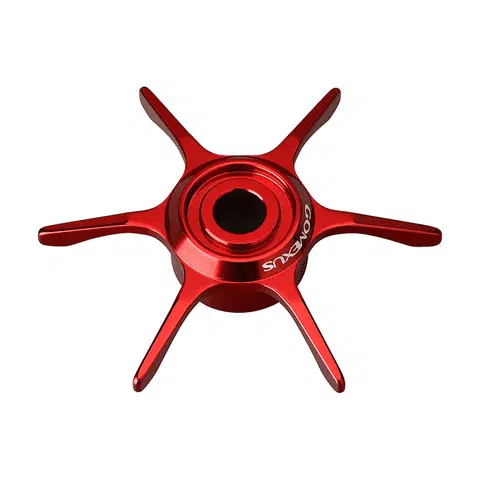
Every gift counts on Valentine’s, big or small, like the Gomexus DIY aluminum star drag. 65mm in size, this star drag is an upgraded version for Daiwa. It is made of aero aluminum, which allows your fingers to adjust and move quickly. Besides, it has a stylish appearance and a hexagonal design and comes in rich colors (including red). These will leave the fishing reel looking beautiful and unique, hence a thoughtful gift for Valentine’s Day.
Valentine's Day Prices:$17.95
Applicable Brand: Daiwa
Valentine's Day service:
Free Nationwide Shipping 30-day easy returns
Valentine's Day Lettering Service one year warranty6.Gomexus Aluminum Reel Stand
Help your loved one keep dirt out of their spinning reels whenever they are shoreline fishing with this Gomexus Aluminum reel stand. Made of aero aluminum, the reel stand is resistant to seawater corrosion as it prevents the reels from contacting the ground directly. Besides, the reel stand is easy to install and use.
Valentine's Day Prices: $8.95
Applicable Brand: Shimano, Daiwa
Valentine's Day service:
Free Nationwide Shipping 30-day easy returns
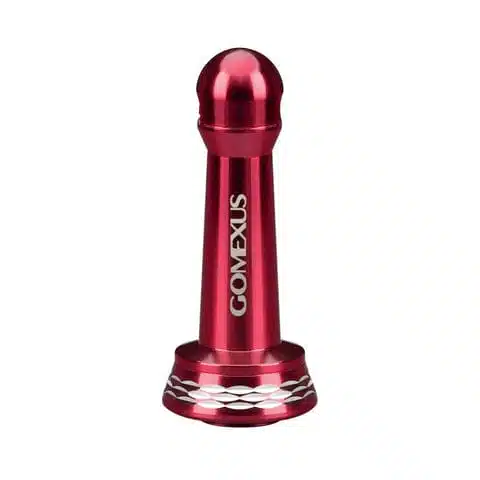
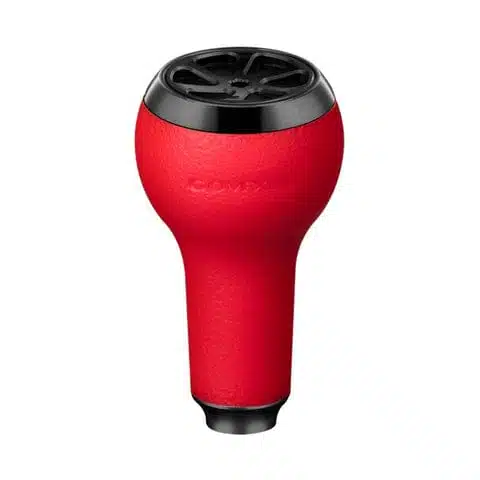
Valentine's Day Lettering Service one year warranty7.Gomexus TPE Reel Power Knob
The Gomexus TPE Reel Power Knob could make a functional and exceptional gift for your other half, who loves fishing. It is a fishing reel handle knob made of thermoplastic elastomer (TPE), an environmental-friendly material. The latter provides a comfortable and firm grip making it hard for your fingers slipping even in the most harsh environments.
So, if your significant other is into fishing, they would surely appreciate this thoughtful and practical gift.
Valentine's Day Prices:$17.95
Applicable Brand: Shimano, Daiwa
Valentine's Day service:
30-day easy returns Free Nationwide Shipping
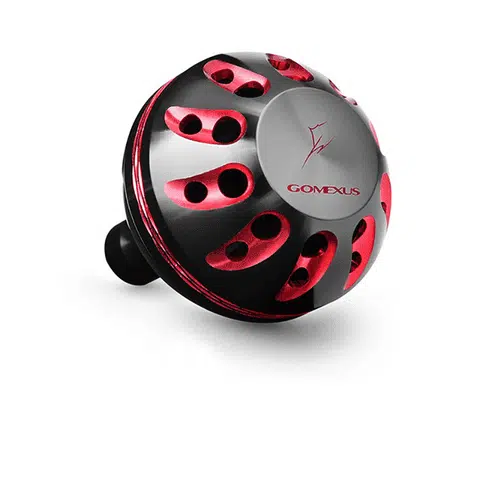
one year warranty Valentine's Day Lettering Service8.Gomexus Aluminum Reel Power Knob
Made of aluminum, the Gomexus Aluminum Reel Power Knob A38 is a handle knob for fishing reels that comes in three sizes: 35mm, 38mm, and 41mm. The knob provides a comfortable and non-slip grip while fishing. Moreover, its aluminum construction is durable and lightweight.
The Gomexus Aluminum reel power knob also has a weatherproof design that protects it from corrosion.
This knob would make a great gift for fishing enthusiast who wants to improve their grip and overall fishing experience.
Valentine's Day Prices:$17.95
Applicable Brand: Shimano, Daiwa, Drill Fitment
Valentine's Day service:
30-day easy returns Free Nationwide Shipping
Valentine's Day Lettering Service one year warrantyConclusion
In conclusion, there are many great gift options for fishermen on Valentine's Day that are already themed to the occasion. Our list has covered some of the best Valentine’s Day Fishing Tackle gifts that any angler will appreciate. Remember, the key is to pick a gift that is meaningful and will be appreciated by your beloved fishing-enthusiast.