.svg)
Tag Archives: fishing tips
-
 Loading More
Fishing is one of the most rewarding outdoor activities, but having the right equipment can make all the difference. Whether you're a beginner just starting out or a seasoned angler looking to upgrade your gear, choosing the right fishing equipment is crucial to ensure you have the best experience possible. Here are some key factors to consider when selecting fishing gear for your next adventure.
1. Consider the Type of Fishing You’ll Be Doing
Before investing in any new gear, it’s essential to understand the type of fishing you plan on doing. Are you targeting freshwater fish in calm lakes, or are you fishing in the deep saltwater for larger species? The type of fishing you do will determine the kind of rod, reel, and accessories you need.
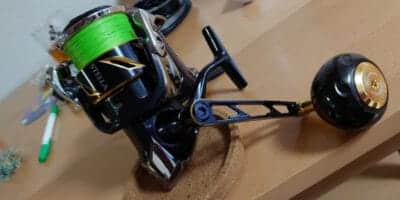
For example, bottom fishing and jigging require reels and handles with increased torque and durability. If you’re doing a lot of heavy-duty fishing, a comfortable, high-performance handle is essential. Gomexus, for instance, offers premium, ergonomic fishing handles like the LMY-TB50, designed for such heavy-duty tasks.
2. Choose the Right Reel for Your Needs
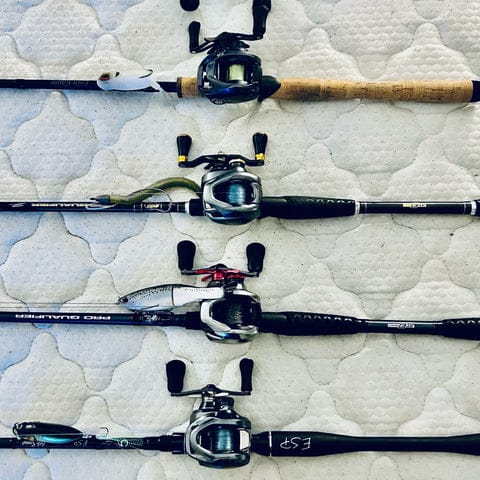
Your reel is one of the most important pieces of equipment. It’s essential to choose one that suits your fishing style. There are two main types of reels: spinning reels and baitcasting reels. Each type has its own benefits and is better suited for different techniques.
- Spinning Reels: Ideal for beginners, lightweight, and easy to use. Great for general fishing, including freshwater fishing.
- Baitcasting Reels: Designed for more experienced anglers, offering precision and control, ideal for catching larger fish.
Upgrading your reel with a high-quality custom handle, like those offered by Gomexus, can make all the difference in comfort and performance. Their LMY-TB50 handle, for instance, increases torque and reduces hand fatigue, making it a perfect choice for longer fishing sessions.
3. Handle Comfort and Durability
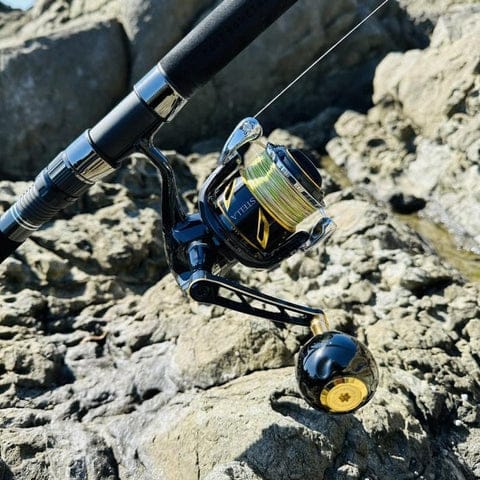
Many anglers overlook the importance of a good handle, but it can significantly affect your fishing experience. When you're spending hours reeling in fish, a handle that is ergonomic and durable can prevent hand cramps and strain. A handle with a comfortable grip can make your fishing experience more enjoyable, even during long days on the water.
Gomexus offers custom handles that combine comfort with performance. Their handles are made with high-quality materials, providing a smooth, comfortable grip for hours of fishing. Whether you’re fishing for fun or on a professional charter, having the right handle can enhance your overall fishing experience.
4. Make Sure Your Gear is Compatible
One common mistake anglers make is buying gear without checking compatibility. For example, if you’re upgrading your reel, you’ll want to make sure that the new reel and handle are compatible with each other. Always check for specifications, especially when it comes to reel sizes and handle types.
The LMY-TB50 handle by Gomexus, for example, is designed to be compatible with a wide range of Shimano reels, making it a versatile choice for many anglers. Whether you’re switching from a right-hand to a left-hand drive reel or simply looking for a more comfortable handle, Gomexus has you covered.
5. Maintenance and Care
To get the most out of your fishing gear, it’s important to keep it in good condition. Regular maintenance, such as cleaning your reel and lubricating the parts, will extend the life of your equipment. Don’t forget to check for wear and tear on your handle and replace any damaged parts promptly to ensure the best performance.
Conclusion: Investing in Quality Gear for a Better Fishing Experience
Choosing the right fishing gear is crucial for any angler, whether you're fishing for fun or as part of your livelihood. By considering your fishing style, reel type, handle comfort, and compatibility, you can make informed decisions that will enhance your fishing experience.
If you're looking to upgrade your gear, consider Gomexus products like the LMY-TB50 handle. With their focus on comfort, durability, and performance, they provide the perfect solutions for any angler looking to take their fishing to the next level.
-
 Loading More
It’s getting cold out there.
Lakes are starting to turn over, and you're wondering, “Where the hell are the fish?”
Are they hibernating, or did they just pack up and leave?
Let’s break it down in simple terms.
What’s Happening in the Water Right Now?
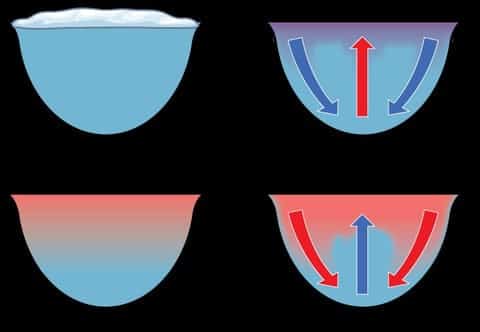
Here’s the deal: as the seasons change, the water starts to “turn over.”
This means:
- The cooler, less oxygenated water that was deep down in summer is rising.
- The warmer, oxygen-rich surface water is sinking.
This turnover creates a weird situation.
Fish aren’t in their usual spots, and the high-oxygen zones keep shifting, so they’re harder to pin down.
In simple terms: the fish are moving with the oxygen.
Where Are They Hiding?
Right now, you’re most likely to find them in deeper waters. As the lake settles into its winter mode, fish prefer the stability and oxygen levels found in these areas.
But don’t panic—here’s where to start:
- Go Deep: Fish are hanging out where they feel safe and comfortable, usually deeper than usual.
- Look for Sporadic Oxygen Pockets: As turnover happens, pockets of oxygen-rich water pop up in different areas. Find these spots, and you might find the fish.
- Plan for Ice Season: When the lake finally freezes, fish tend to stay deep but will come up to the shallows occasionally to feed. Keep this in mind if you're thinking about ice fishing later in the season.
How to Actually Catch Them
Cold-weather fishing requires a bit of strategy. Here’s what works:
- Slow Down Your Retrieve: Fish are less active in the cold, so go for a slower retrieve to match their energy level.
- Try Vertical Jigging: If you’re fishing from a boat or through the ice, vertical jigging is effective for getting down to those deeper fish.
- Use Smaller Baits: Fish aren’t expending a ton of energy, so they’re more likely to bite on smaller, slower-moving baits.
Tools That Help in the Cold
Fishing in the cold isn’t just about finding the fish—it’s about having gear that makes the experience easier and more enjoyable.
One simple upgrade? Your reel handle.
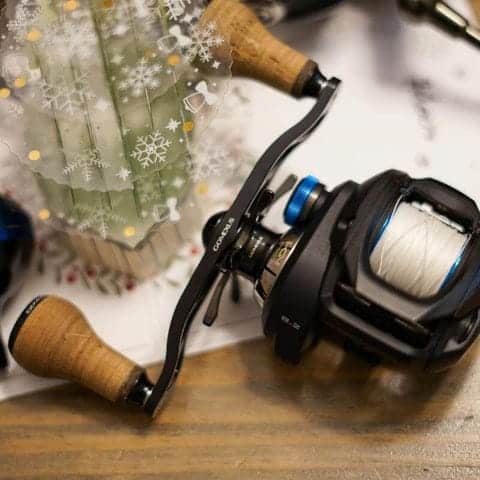
Cold conditions can make standard knobs slippery, especially with gloves on. That’s where the Gomexus Cork Knob Handle comes in.
It’s designed for a secure grip, even in freezing temperatures. Made from lightweight cork, it’s comfortable, durable, and doesn’t slip. Plus, it’s super easy to install, giving you an edge when you’re out there in tough conditions.
Check it out here: Gomexus Cork Knob
FAQs
Q: Can I still catch fish from the shore in the cold?
A: Yes, but it’s tougher. Fish are mostly in deeper water, so a boat gives you a better shot. If you’re on the shore, try casting as far as possible and focus on the deep spots you can reach.Q: How does lake turnover affect fish behavior?
A: The turnover mixes oxygen levels throughout the water, causing fish to move around. After it settles, they’ll find stable zones, usually deep, until the lake freezes over.Q: What’s the best bait for cold-weather fishing?
A: Smaller, slow-moving baits work best. Think finesse jigs or small soft plastics—something that matches the slow-moving, low-energy vibe of cold-water fish.Final Thoughts
Fishing in the cold can be a challenge, but if you know where to look and what gear to bring, you’ll still have a shot at reeling in a good catch.
And if you’re upgrading your setup for the cold season, consider adding the Gomexus Cork Knob Handle to your reel. It’s a small change that can make a big difference when you’re fishing in icy conditions.
Get out there, stay warm, and happy fishing!
-
 Loading More
Getting back into fishing?
You’ve got your braided line ready, but you’re thinking, "Why do I need a leader?"
It’s a fair question, and one a lot of anglers ask.Let’s get to the point.
When I first started, I thought using two different lines was unnecessary.
Why not just stick with the braided line?
But once I understood the benefits, it changed my whole fishing game.Let’s break it down.
The Perks of Braided Line
The braided line is strong, and sensitive, and allows you to cast far.
But it’s not perfect for everything.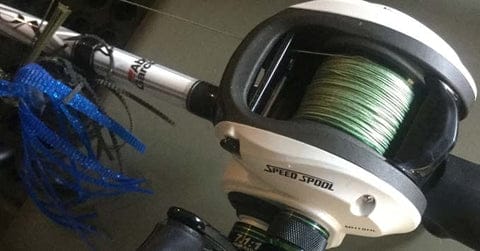
What’s the Catch with Braided Line?
- Thin but strong: Braided line is great for strength, but it’s thin, which means fish can see it in clear water.
- Not very abrasion-resistant: If you cast near rocks, or fish in thick weeds, you risk fraying or snap-offs.
Enter the Leader
This is where a leader comes in.
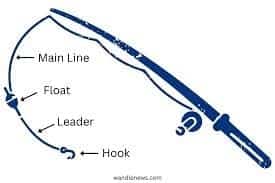
Think of it as the buffer between your braided line and the fish.
Here’s why it’s a game-changer:- Invisibility: Fish can’t see fluorocarbon or mono lines as easily.
- Better protection: Mono and fluoro are more abrasion-resistant, so they hold up better when fishing around rocks or weeds.
- Shock absorption: The braided line doesn’t stretch, which can make fights with bigger fish more difficult. Adding a mono leader gives you that extra stretch, saving your gear.
Mono vs. Fluoro: Which Leader Should You Use?
Now that you know the purpose of the leader, here’s how to pick one.
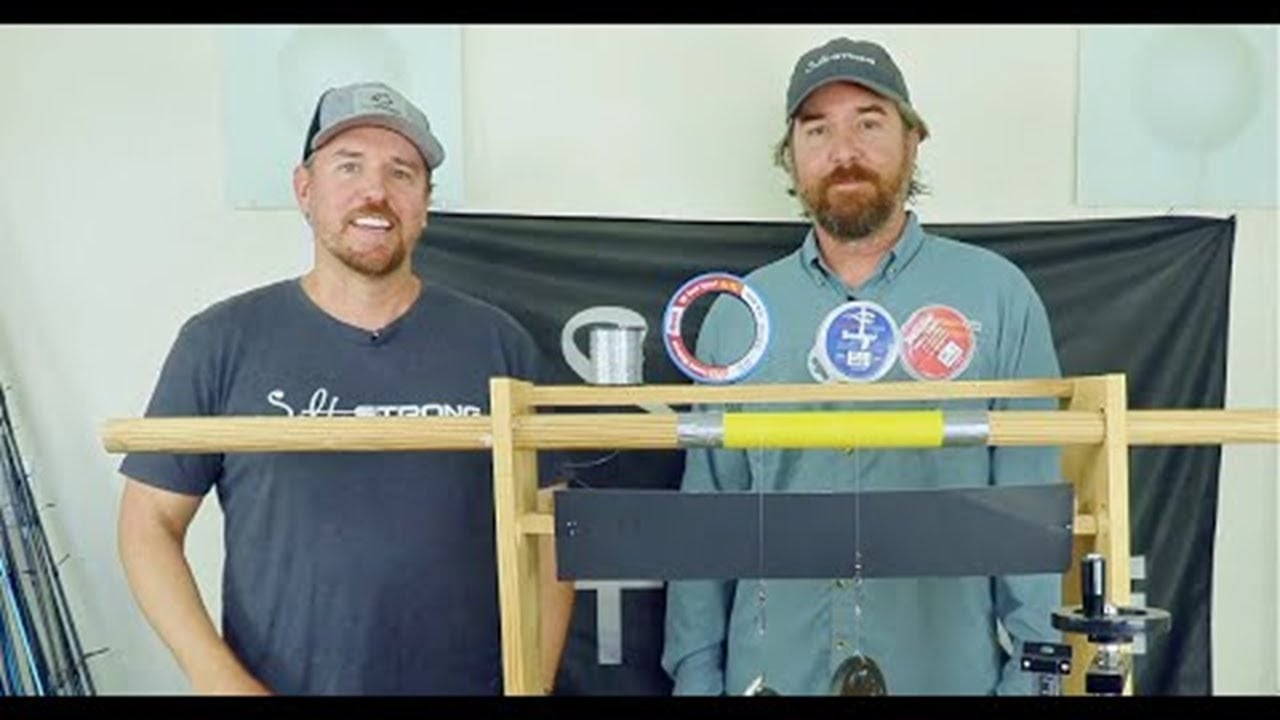
1. Monofilament Leader (Mono)
- Stretchy – good for absorbing shock when fighting big fish.
- Easier to manage – great for beginners.
- Affordable – a good all-rounder.
2. Fluorocarbon Leader (Fluoro)
- Invisible – perfect for clear water, fish won’t see it.
- Durable – it’s tough and resists fraying.
- Sinks fast – better for bottom fishing.
How Do You Tie a Leader to Your Braided Line?
Good question.
Here are two knot options:- Uni-to-Uni Knot: Easy, reliable, and great for connecting braid to leader.
- FG Knot: Strong and slim, it helps the line glide through the rod guides with less resistance.
When Should You Use a Leader?
Not every fishing situation needs a leader, but here’s when it’s a must:
- Fishing in Clear Water: Use fluorocarbon to keep your line invisible.
- Fishing Around Rocks or Weeds: Both mono and fluoro offer better protection.
- Targeting Big Fish: Leaders give you the stretch and strength needed for those tough fights.
What’s the Right Leader Length?
For most situations, a leader length of 3 to 5 feet is perfect.
You want enough leader in the water to do its job, but not so much it weighs you down.FAQs: Quick Answers to Common Questions
-
Do I really need a leader with braided line?
Yes! If you're fishing in clear water or around rocks, or if you’re after bigger fish, a leader will help protect your braid and make your setup more effective. -
Can I use any leader with braided line?
You can, but fluorocarbon is often best because it’s tough and invisible. Monofilament is also fine, especially if you need some extra stretch. -
What’s the best knot for tying a leader to braid?
The Uni-to-Uni knot is simple and strong. The FG knot is a bit more advanced but gives you a smooth connection.
Final Thoughts: A Leader Makes a Big Difference
Here’s the deal:
A braided line setup without a leader is like driving a sports car without brakes.
It might work for a while, but sooner or later, you’ll run into problems.A good leader upgrades your fishing setup.
It helps with line invisibility, and abrasion resistance, and gives you more control when fighting fish.Next time you’re out on the water, try adding a leader to your braid.
Trust me, it’ll make a huge difference. -
 Loading More
If you’re new to baitcasting reels, one of the most pressing questions you might have is, “What line test should I be using?” The answer isn’t one-size-fits-all, and this can lead to confusion, especially with varying recommendations. In this guide, we’ll clarify what line test is suitable for beginners and introduce a fantastic accessory—the Gomexus Baitcasting reel handle—that can enhance your fishing experience.
Understanding Line Test: The Basics
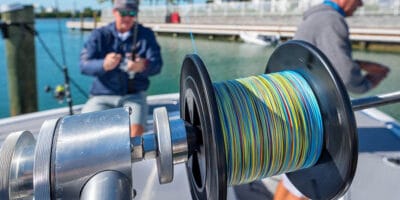
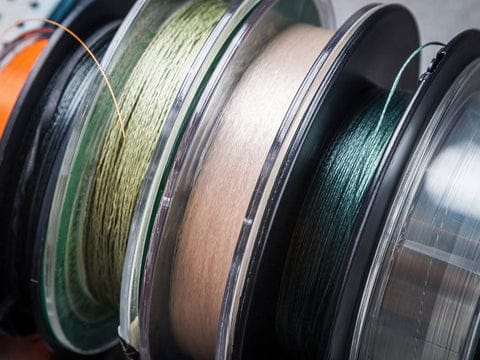
Line test refers to the weight (in pounds) that a fishing line can handle before breaking. For baitcasting, common recommendations range from 15lb to 30lb. So, how do you choose the right one?
- 20lb Test: Ideal for a variety of freshwater species, such as bass and trout. This line offers a great balance of strength and manageability, making it a go-to choice for many anglers.
- 30lb Test: This is a stronger line, perfect for targeting larger fish or fishing in heavy cover. If you’re going after species like pike or musky, a 30lb test is advisable. However, be cautious—thicker lines can lead to more frequent backlashes for beginners.
The Importance of Diameter
When considering line test, it’s essential to also think about the diameter of the line. Lines thinner than 0.18mm can increase the risk of tangles and backlashes, particularly for those new to baitcasting. A thicker line generally provides better control, reducing the likelihood of issues while casting.
Upgrade Your Setup with Gomexus Baitcasting Reel Handles
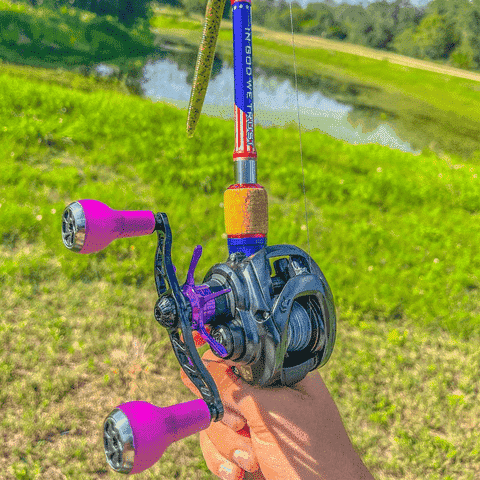
One of the best ways to enhance your baitcasting experience is by upgrading your reel handle. Enter the Gomexus Baitcasting reel handle—designed specifically for anglers who want improved comfort and performance.
Why Choose Gomexus?
- Ergonomic Design: The Gomexus handle is crafted to fit comfortably in your hand, minimizing fatigue during long fishing sessions.
- Smooth Retrieval: With its high-quality materials, this handle enables smooth retrieves, allowing you to manage your line more effectively, regardless of the test you choose.
- Enhanced Control: A reliable reel handle can make a significant difference in your casting accuracy and overall fishing experience.
Conclusion
Choosing the right line test for your baitcasting reel is crucial for a successful fishing outing. Start with a 20lb test line for versatility, and consider moving up to 30lb as your skills develop. Additionally, investing in a quality reel handle like the Gomexus can enhance your performance, ensuring you enjoy every moment on the water.
With the right equipment and knowledge, you’ll be well on your way to mastering baitcasting and reeling in your next big catch. Happy fishing!
-
 Loading More
Fishing in Washington DC, with its iconic Anacostia and Potomac Rivers, can be a rewarding experience. However, understanding the tides is crucial for maximizing your catch. Many anglers are confused about when the best time to fish is, especially in areas with strong tidal currents. In this post, we'll break down the basics of tides and provide tips for fishing in tidal waters.
Understanding Tides
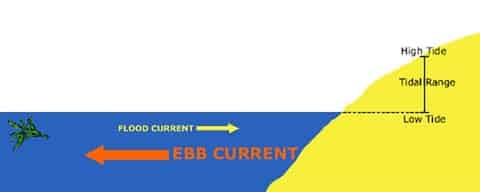
Tides are the regular rise and fall of sea level caused by the gravitational pull of the moon and sun. In areas like Washington DC, these tides can significantly impact fishing conditions.
- High Tide: This is the peak of the tide cycle, when the water level is at its highest.
- Low Tide: This is the trough of the tide cycle, when the water level is at its lowest.
- Tidal Range: This refers to the difference between high tide and low tide.
The Myth of Constant Motion
While it's true that the water is always in motion, the speed and direction of the current can vary significantly throughout the day. This is why it's important to understand the tidal cycle.
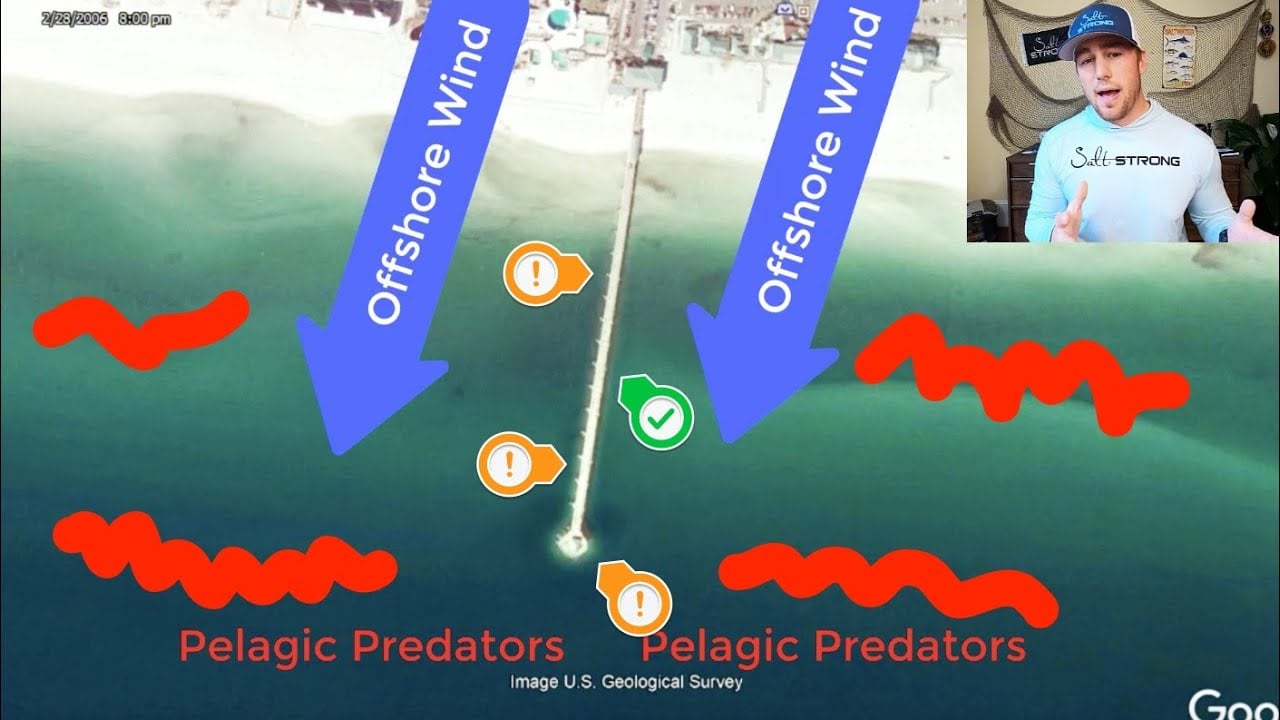
- Prime Fishing Times: The general rule of thumb is that the best fishing times are around the periods of high and low tide, as well as the two hours before and after these times. This is when the water is moving at its fastest, which can attract fish to feed.
- The Role of Slack Water: Slack water is the period of time between high tide and low tide when the current is at its slowest. While this might seem counterintuitive, slack water can also be a productive time for fishing, especially for species that prefer calmer waters.
Fishing Tips for Tidal Waters
- Consult Tide Charts: Always refer to a local tide chart to plan your fishing trip. This will help you determine the best times to be on the water.
- Experiment with Different Times: While the general rule of thumb is to fish around high and low tides, it's always a good idea to experiment and see what works best for you.
- Consider Water Depth: The depth of the water can also impact fishing success. Deeper areas may hold fish during different tide stages than shallower areas.
- Observe Fish Behavior: Pay attention to the behavior of the fish. If you see fish jumping or breaking the surface, it's a good sign that they are actively feeding.
Conclusion
Understanding tides is essential for successful fishing in Washington DC. By following the tips in this guide and experimenting with different conditions, you'll be well on your way to catching more fish. Remember, fishing is a learning experience, so don't be afraid to try new things and adjust your strategies based on your observations.
Additional Tips:
- Join a Local Fishing Club: Connecting with other anglers can provide valuable insights and tips.
- Learn About Local Species: Research the types of fish that are common in the Anacostia and Potomac Rivers.
- Use Appropriate Tackle: Choose the right gear for the species you're targeting and the fishing conditions.
By following these tips, you'll be better equipped to navigate the tidal waters of Washington DC and maximize your fishing success.
-
 Loading More
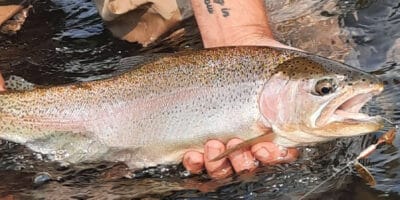
Rooster tails are a versatile and effective lure for catching a variety of fish, especially bass and trout. This comprehensive guide will provide you with step-by-step instructions on how to rig a rooster tail for optimal success.
Choosing the Right Rooster Tail
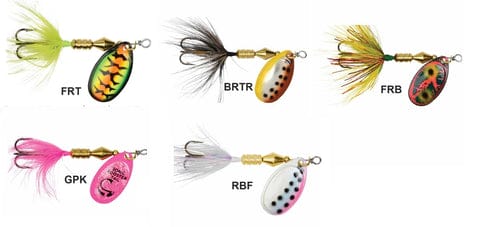
The size and color of your rooster tail can significantly impact its effectiveness.
- Size: For larger fish like bass, opt for larger rooster tails. Smaller sizes are suitable for trout and other smaller species.
- Color: Experiment with different colors to determine what works best in your local waters. Popular choices include white, yellow, chartreuse, and red.
Rigging the Rooster Tail
- Tie on the Loop Knot: This knot is a popular choice for attaching rooster tails, as it allows the lure to move freely and attract fish.
- Adjust the Bait: Spread the feathers of the rooster tail to create a more attractive profile. Ensure the head is positioned slightly above the line for natural movement.
Retrieval Techniques
- Slow and Steady: For bass, a slow and steady retrieval often works best. This allows the rooster tail to flutter and attract attention.
- Twitching: For trout, a twitching retrieval can be effective. Jerk the rod tip to create erratic movement.
Additional Tips
- Consider Water Conditions: The depth, current, and clarity of the water can influence the effectiveness of a rooster tail.
- Use a Sensitive Rod: A sensitive rod will help you feel the bites and set the hook more effectively.
- Practice: The more you practice using rooster tails, the better you'll become at rigging and retrieving them.
Conclusion
Rigging a rooster tail correctly can significantly increase your chances of success. By following these guidelines and experimenting with different techniques, you can maximize the potential of this popular lure.


