.svg)
Tag Archives: fishing tips
-
 Loading More
Are you looking for a simple guide to help you clean your fishing reel? Whether you own a Gomexus gear or any other brand, this Gomexus reel cleaning tutorial will help you get through it with ease. After an exciting but tiring day outdoors fishing, all you want to do is head home and take a rest. But one thing you wouldn’t want to skip is cleaning your fishing reel.
Fishing on a salty and brackish water lake requires cleaning the reel for better efficiency and prolonged durability. Saltwater and metal don’t get along so, cleaning after every trip saves you more money in replacing your gear from time to time.
Even if you only fish on freshwater sources, still cleaning the reel after every 5 fishing trips is still important. Are you new to the idea of cleaning the reel? Let’s get you started on this cleaning tutorial, shall we?
The Tools You Need To Clean A Fishing Reel
Proper and thorough cleaning of the reel, especially after fishing in saltwater requires the right tools. Before heading out on your fishing escapade, make sure you have the following tools with you:
- Screwdriver pair – get the Philips head and standard screwdriver.
- A small wrench.
- Pair of forceps or tweezers.
- Toothbrush for scrubbing.
- Toothpicks for removing tiny debris and speckles.
- Reel oil.
- Boat cleaner solution for removing oil, dirt, and other debris.
- A jar or container for holding the disassembled parts.
- A clean rag.
- cotton swabs.
- Notebook and a pen.
- Sticker labels.
A point of caution; don’t try to use dish cleaner or other harsh detergents in place of the boat cleaner solution. Also, avoid light fluids like gasoline as this and other solvents will deteriorate the plastic coatings and eventually destroy your reel.
How To Take Apart A Fishing Reel?
Before starting the cleaning process, you need to take apart the reel after detaching it from the rod. This phase requires steady hands and patience because the reel can be difficult to disassemble.
- First, secure the fishing line using masking tape or remove it from the spool. This bit helps to stop the line from being tangled up. If your reel is a spincast type, you’ll have to disassemble it, feed a section of the line and secure it.
- Loosen up the drag cap on top of the spool using the small wrench and the head will come out easily.
- Once the head spool is out, get the center shaft out as well. Next, remove the crank handle, clutch ring, crank bearing, and washers. Use the pair of tweezers to carefully remove these parts.
- Keep the parts on a clean paper towel and label each appropriately. Take caution; you’re going to come across plenty of small delicate parts that shouldn’t be misplaced.
- Once you’ve taken apart the reel, the toothbrush comes in handy to scrub off debris and dirt. Dip the toothbrush in the boat cleaning solution and gently scrub the reel assembly’s inner section. Repeat the cleaning process until the small parts are also clean.
Spinning Reels and Baitcasting Reel Cleaning Methods
Whether you’re an experienced angler with a baitcasting reel or an intermediate with a spinning reel, the cleaning task should be the easiest across the board.
Spinning reels cleaning method
Compared to spincast reels, taking the spinning reel apart and cleaning it is much easier. but still, you need to be extra cautious not to misplace or damage those tiny parts.
- First, use fresh water to clean the spinning reel. Here, soaking it first before cleaning isn’t a must. But if you use the spincast reel to fish in saline or brackish water lake, pre-soaking the reel is recommended.
- Ensure the line is secured as described earlier, before starting the cleaning.
- Remove the spool then give it a good scrub with the toothbrush. Using the pair of tweezers, remove the spool washers and bushings. Next, remove the handle knobs, pick-up pin, and arm.
- Next, you need to work on your reel’s crankshaft. Extract the gears, center shaft, and clutch screws. Removing the roller wheel and the ball bearing should be the last thing to do.
- Don’t forget to document everything removed. The best way to know what goes where later is to number them accordingly.
- Soak the toothbrush in the cleaning solution and scrub the disassembled parts. After that, gently dry them up with a clean rag while taking care not to break or bend anything.
- Use the reel oil to lubricate the handle knob, arms, spool release, bearing ball, and pick-up pin. Just apply the oil sparingly without soaking up the parts.
- Grease up the whole crank system and the main shaft. Don’t forget to apply some grease on the pickup arm, bushings, washers, and roller wheel.
- Remove excess grease with the cotton swab to prevent greasy mud from forming there.
- Use the manufacturer’s manual to put every part back in its place. Most Gomexus reel cleaning tutorials from the manufacturer come with a reel assembly guide that you can use to assemble your real.
Baitcasting Reel Cleaning Method
Baitcasting reels are suitable for experienced anglers. They’re not only difficult to use, but the cleaning process can also be a little difficult.
- Begin by loosening the reel’s drag knob then remove the whole drag system together with the spool.
- Spray some clean freshwater on the reel then scrub the dirt off using a toothbrush. Repeat the process to remove all the dirt lying in the spool.
- Next, loosen the track tension knob then remove the spool shaft plus other parts in the same area. These include the pinion gear, stabilizer, gear, and shaft guard.
- Use the pair of tweezers to remove the bushings, slider release, spool release, and handle knob. Remember to label each part with numbers and record them in a notebook for easy assembly when putting them back.
- Using the toothbrush, gently scrub off dirt from each part. For quick and effective cleaning, dip the toothbrush in the boat cleaning solution before scrubbing.
- Finalize the cleaning by scrubbing the inner part of the reel then dry everything with a clean rag.
- Lubricate the parts using the reel oil, without forgetting the handle knobs, spool shaft, and ball bearings.
- Other parts that need lubricating include the main gear, pinion yoke, gear, and shaft guard. They don’t have to be soaking wet with the oil, so wipe off the excess with a cotton swab.
- Following your notes and the labels put everything back in place.
What's The Best Thing To Clean A Fishing Reel With?
Have you heard of anglers who clean their reels with gasoline? While it will give a shiny feel, it’s detrimental in the long run. Gasoline and related fluids can react with the plastic components of the reel and wear them out easily.
Instead, use a boat cleaning solution, which is nothing but a mixture of vinegar and lukewarm water. Alternatively, you can also use mild detergents if the fishing reel hasn’t been cleaned for a while.
Cord Reel Care and Maintenance Guide
Apart from cleaning the reel, the fishing reel also needs thorough maintenance to keep it performing impeccably. Follow this Gomexus reel maintenance tutorial to keep your Gomexus reel in good condition until the next use.
Clean your reel regularly
Always clean the reel after every fishing session on saltwater and 5 times on freshwater.
Lubricate moving parts
Keep the moving parts lubricated. These include the pickup arm, line guide, and handle knob. Use only high-quality grease or reel oil specifically designed for fishing reels.
Store the reel properly
Ensure the reel is kept in a cool, dry place when not in use. Avoid exposure to extreme temperatures or moisture, to prevent rusting and corrosion damage to the components.
Do regular inspection
Regularly check the reel for signs of damage or wear, like cracks, corrosion, or worn-out moving parts. Don’t keep using the reel with a worn-out part, instead do a replacement before your next use.
Properly use the reel
Ensure you’re using the reel for the type of fishing line it was meant for. Using a reel that is not designed for the specific type of line can cause damage to the reel or line, and pose a safety hazard.
Wrapping It Up
Every angler knows how best to handle their fishing rod when battling a big catch. But the cleaning part is where most draw the line. Regularly cleaning your fishing reel is the trick to ensuring it’s always ready for the next fishing trip and lasts longer.
Always clean the reel after fishing on saltwater to remove salt buildup and corrosion of the metallic parts. If you mostly fish in freshwater, clean the reel every 5 to 10 trips. Follow the same Gomexus reel maintenance tutorial for both the baitcasting and spinning reel to keep your gear in excellent shape and durable for longer.
-
 Loading More
Did you just get yourself a Gomexus fishing reel and are now looking for a simple Gomexus saltwater fishing guide? Are you looking for a new hobby that can hook you up to the beauty of nature? If you’re surrounded by saltwater sources, then saltwater fishing is just the right pastime to hook yourself onto. Saltwater fishing comes with unique experiences combining the excitement of the ocean and the thrill of making a catch.
The good thing about fishing is that there are no age or skill level requirements. Whether the saltwater body you’re planning to use is inland or off the seacoast, it’s just the right spot to make some saltwater fish catch. In this Gomexus saltwater fishing guide, we’re going to cover the basics to set you on the right path to mastering the art of saltwater fishing.
We'll cover everything about the right gear, techniques, types of saltwater fish, and the best times to go fishing. Whether you’re getting started with saltwater fishing or you already are a skilled angler looking to spice up your skills, you’re at the right place. So brace yourself for some learning excitement and let's get started!
The Most Common Saltwater Fish
In saltwater fishing, there are plenty of fish species that are easy to come by and catch as a beginner. These fishes often don’t put up much of a fight and can be caught while seated or standing on a pier in backcountry water. Then there are the popular species that require a skilled crew of anglers using the heaviest fishing gear on sea waters.
No Saltwater fish name picture 1 King salmon 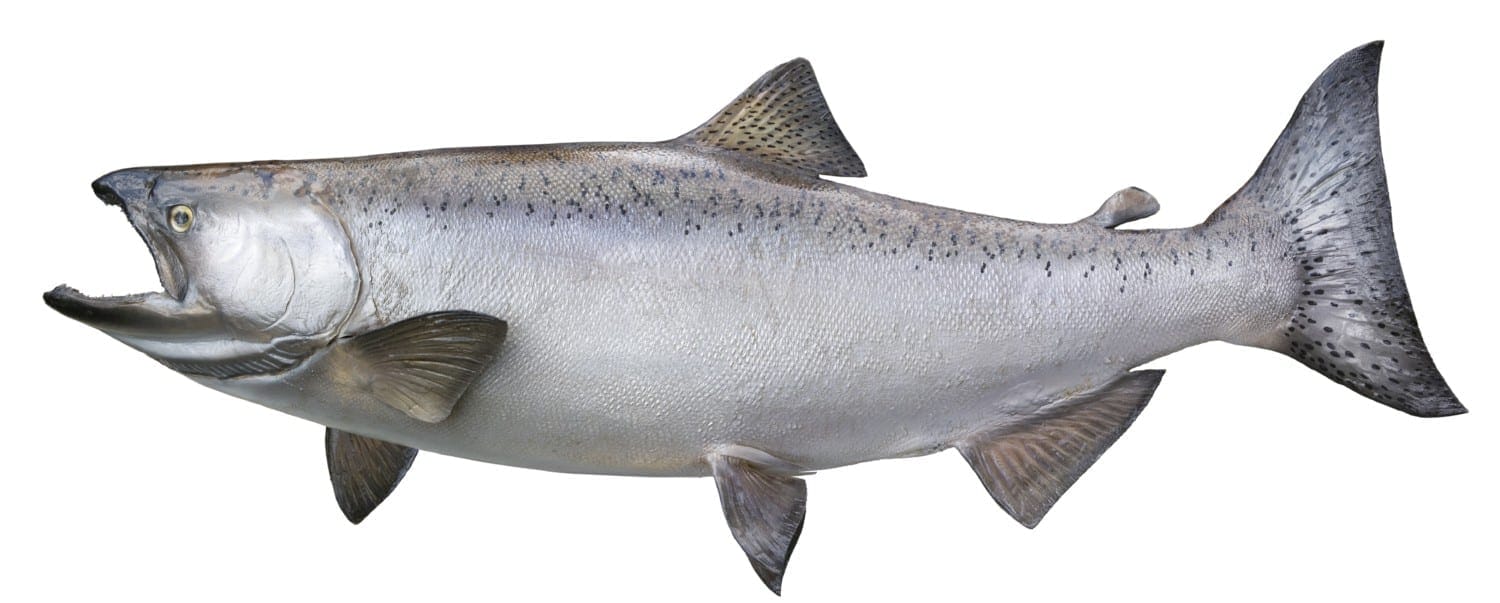
2 Striped bass 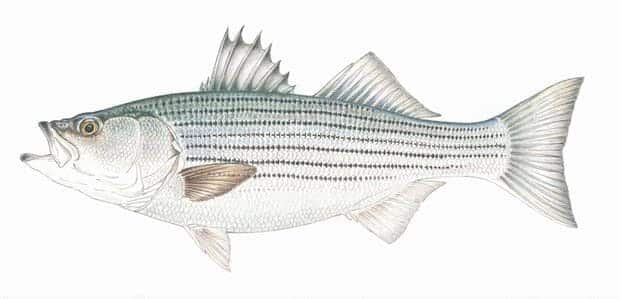
3 Pacific halibut 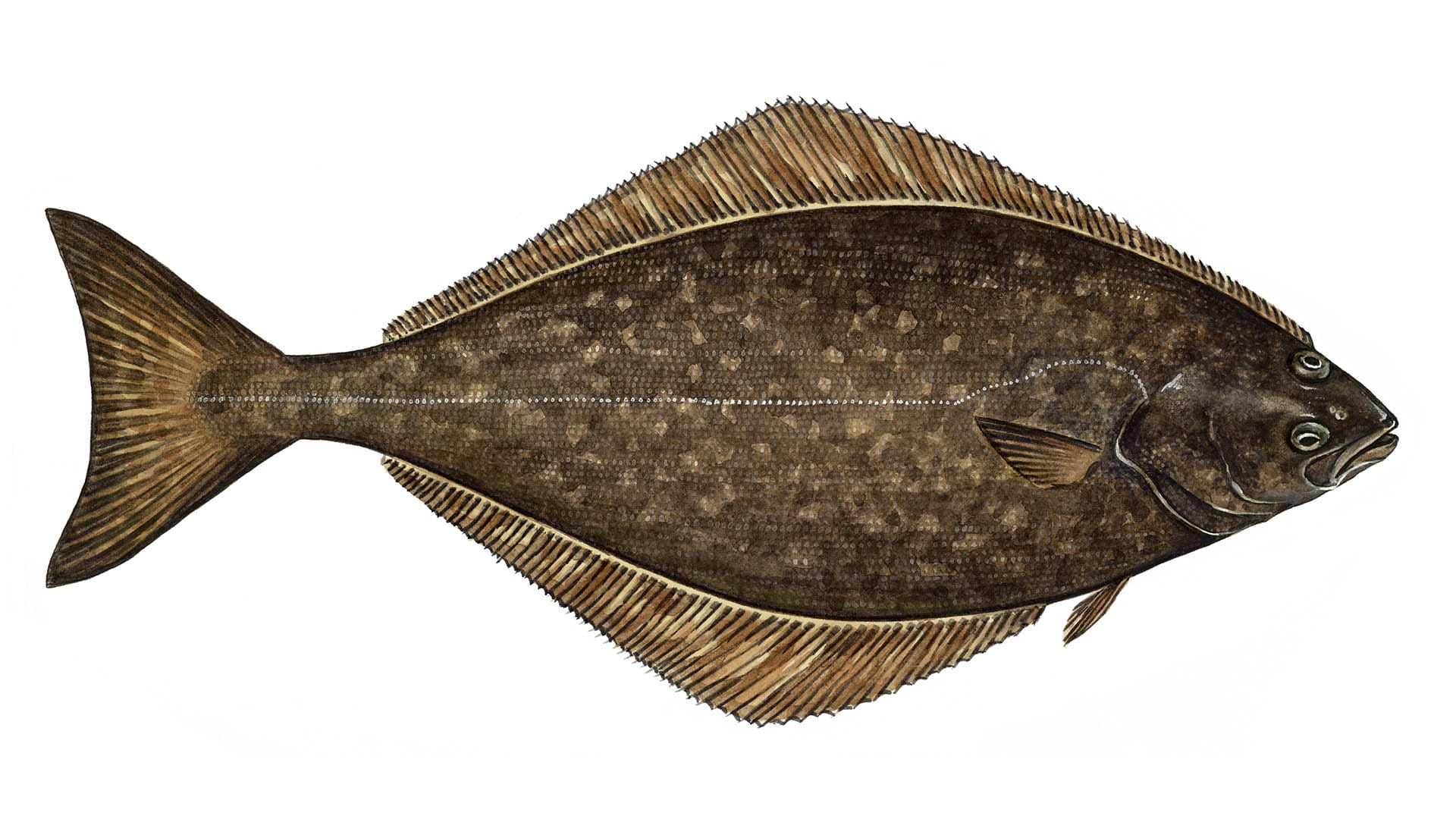
4 Redfish 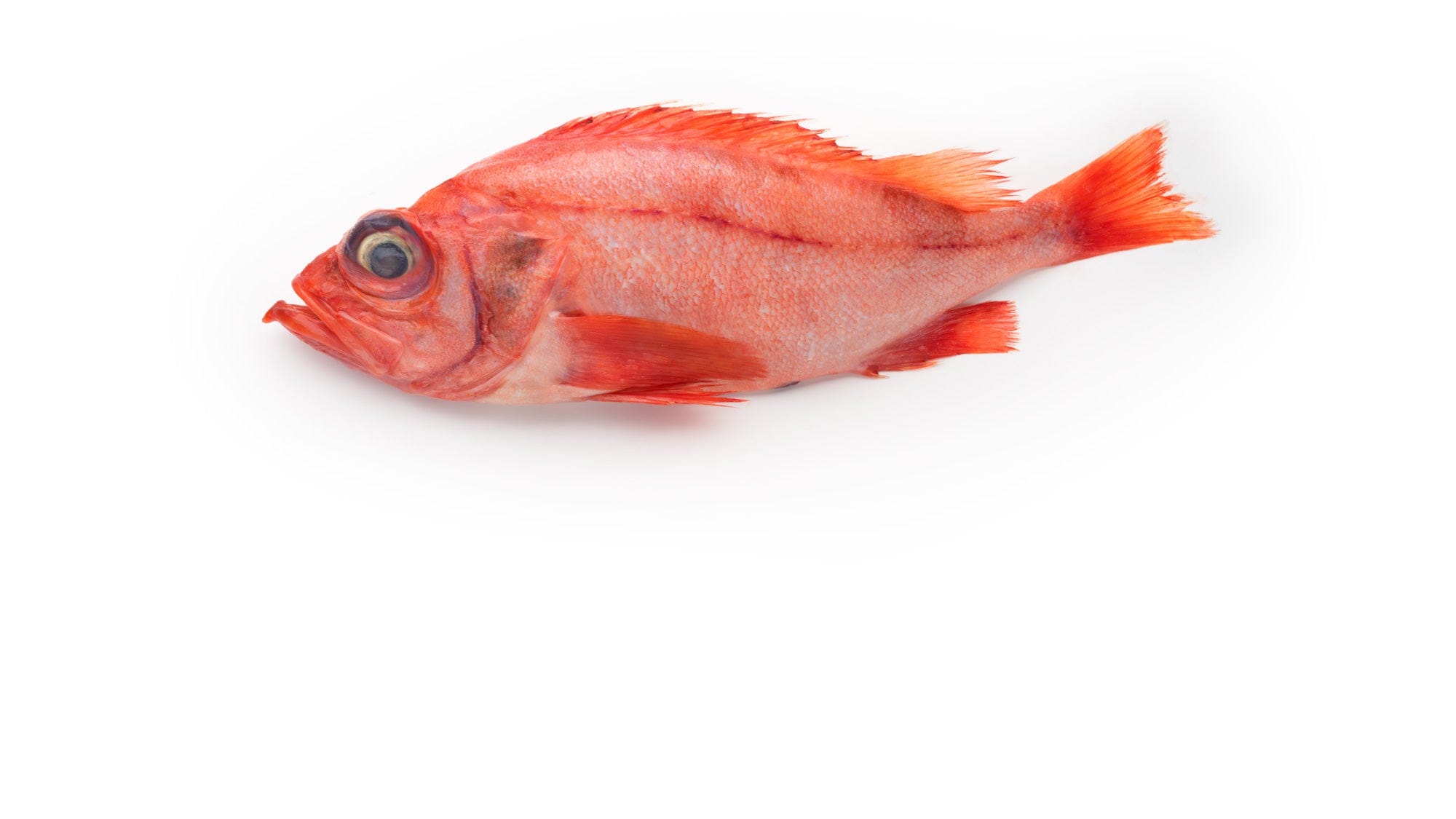
5 Bluefish 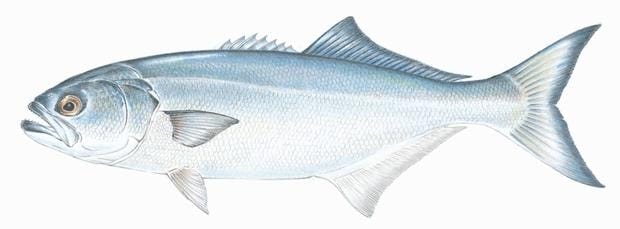
Saltwater Fishing Gear For Beginners
Now that you know a couple of saltwater fishes to expect, you need to prep yourself with the right fishing gear. Saltwater fishing gear is somewhat different from freshwater fishing as it depends on the salinity of the water, the fishing spot, and the time. The better equipped you are, the easier it will be to master the craft of fishing.
Fishing rod
Your choice of the fishing rod needs to strike a balance between sensitivity and strength. The most ideal rod for beginners is the medium-power fishing rod ranging between 6ft and 7ft. Medium power rods offer enough strength to turn a heavy fish like the redfish away from mangroves or rocks.
Fishing reel
When it comes to choosing the reel, spinning reel performs better with beginners since they provide easy handling and are ideal for various fishing situations. Go for a reel that offers an excellent drag system, a solid build, and smooth retrieval.
Make sure the reel is corrosion-resistant ( has sealed gear and drag system). a saltwater fishing reel ranging between 2500 and 3500 and can accumulate up to 200 yards of line capacity.
Fishing line
A braided fishing line makes an excellent choice for saltwater fishing, as it's strong and durable, and can help you fight larger fish in saltwater much better. The braided lines should be 10-15 pounds, combined with about 20-pound fluorocarbon leader material. If you’ll be fishing in saltwater full of rocks, dock pilings, or oyster bars, go for the heavier option of leader material.
Hooks
These are also important saltwater fishing gear for beginners. Choose the 2/0 circle hooks if planning to use 8-10 inch long worms and the 3/0 hooks for soft plastic bass baits. Another important baiting tip is rigging a live bait like shrimp below the popping float to increase the bites.
Apart from being armed with the right saltwater fishing gear, you need suitable clothing to keep you safe, no matter where you’ll be fishing at. Make sure you’ve packed your rain jacket and boots to keep you dry and clean. Breathable saltwater waders come in handy when saltwater temperatures start to rise. Other important gears include a windproof and waterproof hat, polarized sunglasses, sunscreen, and a hat.
The Choice Of Baits For Saltwater Fishing
Choosing a bait mainly entails presenting a bait as food to the fish you want to catch. Before setting for any type of bait, consider the traits of the fish such as sense of sound, scent, and movement. There are two types of baits; live or artificial. Live bait often appears more natural and appealing to the fish, but artificial baits have also been improved to make them more alluring to the fish.
No Bait name picture 1 Pilchard bait 
2 Shrimp 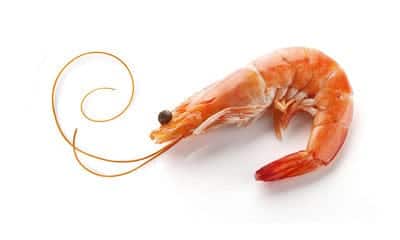
3 Clams 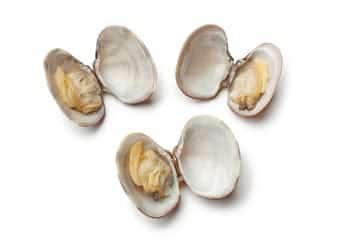
4 Crab 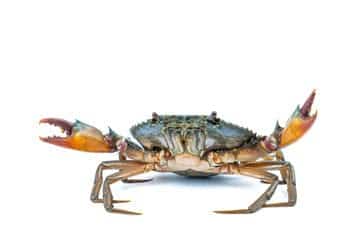
5 Mussels 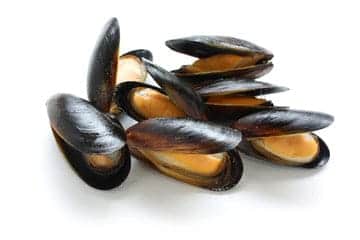
6 Squid The Best Beginner Saltwater Fishing Setup
Your first saltwater fishing experience is greatly dependent on your gear setup. Prepping your fishing pole ready for a big catch is among the most challenging bit for new anglers. But after getting a good grasp of how to rig, the roles of each part, and the configurations, the process will be much simpler.
The rig is a combination of swivels, snaps, sinkers, and hooks that are added to the fishing line end. There are different types of setups that you can do depending on where you’re fishing and the fish species you’re targeting. for anglers just getting started, the best saltwater fishing setup is the fish finder rig.
Setting up the Fish Finder Rig
Also known as the Hi-Lo rig, the fish finder rig is ideal for targeting all the saltwater fish species including the flounder, croaker, king salmon, bluefish, and redfish. It comprises two hooks, float, and weight. The hooks are tied at different levels, with one near the bottom and the other near the surface, allowing the angler to cover different depths.
- Gather your equipment. You'll need a fishing rod and reel, a spool of fishing line, a weight, a swivel, two hooks, and a float. The hooks should be of different sizes, with one being larger than the other. The Gomexus Saltwater Trolling Reelhas excellent strength and sensitivity suitable for beginners to catch heavy giant sea fish.
- Tie the weight to the end of the fishing line. The weight can be a sinker or a split shot, depending on the depth and current you will be fishing in.
- Attach a swivel to the end of the line, above the weight. This will prevent the line from twisting when you are reeling in.
- Cut a length of leader material and attach one end to the swivel. This leader should be about 12-24 inches long, depending on the size of the hooks and the bait you will be using.
- Tie the smaller hook to the end of the leader.
- Cut another length of leader material and attach one end to the swivel. This leader should be about 12-24 inches long, and it should be longer than the first leader.
- Tie the larger hook to the end of the second leader.
- Attach a float to the line, above the swivel. The float should be adjusted so that the bait is suspended off the bottom at the desired depth.
- Bait both hooks with appropriate bait for the species you are targeting, such as worms, squid, or baitfish.
- When you’re set to start fishing, cast your rig into the water and allow it to sink to the preferred depth. You can then retrieve the rig slowly and steadily, or you can let it sit in one spot and wait for a bite.
The Best Time Of Day For Saltwater Fishing
When set and ready to take on the fishing adventure, your timing dictates how successful your first experience will be. Generally, fishing early in the morning or late in the evening when the water is calm is the best.
Early morning
Fishing at dawn or early morning is the most suitable for saltwater fishing since most species are feeding actively at that time. since the water is cool, the fish also tend to be more active and will move vigorously.
Early evening or late afternoon
Just at the start of sunset, water temperatures start lowering and this increases the aggressiveness of most fish species. As their productivity enhances, it increases your chances of making a catch without so much hassle.
During tidal movements
As the water tides blow closer to the shore, predatory fish species will be attracted to the baitfish swept to the shoreline. As the water tides retract back into the sea, the baitfish concentration increases and this makes it easier to catch predatory species like the bluefish.
The tidal movements and the weather must also be favorable, otherwise, apart from coming back with nothing, you might also expose yourself to danger.
Shore Saltwater Fishing Tips
Saltwater fishing is a fun sport for its easy accessibility and the little investment needed to get started. Armed with the right fishing rig, know-how, and tips, your first fishing escapade shouldn’t be difficult. So, here are the essential tips that experienced, intermediate, and novice anglers can use to make their day on the shore more productive.
Check your fishing license requirement
Depending on your location, a fishing license might be required. If you’re aware that it’s required, check to ensure your license is up to date if you have one. if not, apply with the relevant local authorities to avoid getting into trouble.
Spot baitfish and birds
Birds often feed on the baitfish, so wherever birds are flying in and out of the water, there’s plenty of baitfish. These are food for the bigger predatory saltwater fish like perch and salmon. Cast your fishing line in such places for a higher probability of making a catch.
Cast your line in dark deep waters
Most large fish species tend to lurk around deeper water areas waiting to attack the baitfish when they swim by.
Watch out for the tides
When tides are moving, that’s when the most delicious fish species are also active. Track when the high and low tides change and start your fishing adventure an hour after or before.
Understand the fish migration patterns
Fish often have migrations during certain periods of the year. Do your homework to know when certain species migrate along the coast of your local area. This is one excellent tip that can make your fishing experience more lovely if you master the migration patterns.
America's Best Saltwater Fishing Spots
Are you planning a fishing adventure and wondering where to get the best saltwater fishing grounds in the US? There are plenty of both offshore and inshore fishing spots that can challenge skilled and new anglers. Check out these 10 saltwater fishing spots in the US:
No Saltwater fishing spot 1 Cape Cod, Massachusetts 2 Kona, Hawaii 3 Strait of Juan De Fuca, Seattle, Washington 4 Chesapeake Bay Junction, Virginia Beach, Virginia 5 Homer, Alaska 6 Galveston Bay, Texas 7 Florida Keys, Florida 8 Montauk Point Coast, New York 9 Destin, Florida 10 Charlestown, South Carolina It’s A Wrap!
Saltwater fishing is a rewarding and fun experience, but can also turn out to be intimidating for starters. The best way to make your saltwater fishing more enjoyable is by choosing the right fishing gear, setting up your rig correctly, knowing when to fish, and the behavior of different fish species.
Also, get closer to the local anglers because they understand saltwater fishing much better than any basic Gomexus saltwater fishing guide you could ever find. After spotting your fishing ground, research the specific fish species you need to target and seek advice from local fishermen in the area.
-
 Loading More
There’s actually a lot more than that to the diverse classification of fishing rod types. Fishing rods differ with regard to their material, length, construction, weight etc.
When you want to buy a rod for yourself, you have to make sure that you pick one that is properly-suited to your needs. You also have to go with one that can last long under the type of usage you’re going to put it through.
This applies especially to beginners, since they are not as adept and skilled as professional anglers, and they can give the rod some rough treatment when pulling the game in.
In this post, we’re going to go over some important points and things that you have to keep in mind when buying a fishing rod for yourself. If you keep these pointers in mind, you won’t be likely to go wrong with your purchase.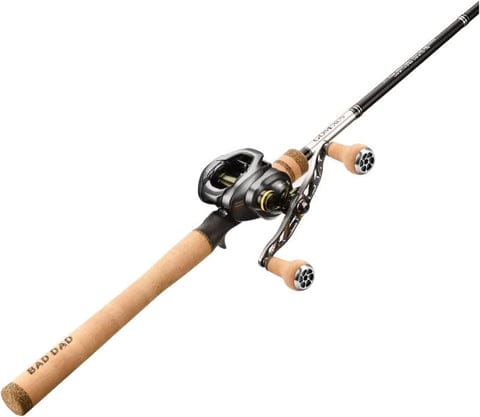 The 3 Classifications of Fishing Rods
To start off, we’re going to look at the three classifications of fishing rods as well as their distinguishing features.
Here, we should mention that ‘spinning rods’ and ‘baitcasting rods’ are not really classifications of the fishing rod itself, contrary to what their colloquial reference may imply. ‘Spinning’, ‘baitcasting’ and ‘fly fishing’ are actually types of reels, not rods.
As far as the three classifications of fishing rods go, they are distinguished on the basis of their material i.e.,- Graphite rods
- Fiberglass rods
- Composite (mixed) rods
Let’s look at each of them in a bit more detail before moving on:
1.Graphite Rods
Graphite rods are generally hailed to be the toughest and most expensive types of fishing rods available in the market nowadays. They are ideal for experienced anglers thanks to their sheer strength and supple (yet hard) construction.
In contrast to fiberglass rods (which we will discuss in a second), graphite rods don’t bend along their entire length. Rather, their pliability is limited to the top quarter or one-third of the whole thing. In other words, they’re springy at the top, but not as much closer to the rod’s handle.
Due to this type of limitedly pliant construction, graphite rods have a quick and snappy action, which can be expertly handled by professional anglers, but not as much by beginners.
2.Fiberglass Rods
Fiberglass rods are more affordable than their graphite counterparts, and they are much more pliable as well. The main difference between these rods and the one discussed above is the elasticity. Fiberglass rods move along their entire length i.e., from the tip to the handle, when the angler pulls and strains at the game. This makes their action considerably slower than graphite rods.
The benefit of this much suppleness is that these rods are not easy to snap or break. They can be ideal for beginners since they can handle the rough rookie treatment. But, even for professional anglers, fiberglass rods may be the preferred choice for certain types of fishing. All in all, there are basically two things in these types of rods that make them ideal for beginners i.e., their affordability and durability.
3.Composite Rods
Composite rods are basically made of a mixed material consisting of both fiberglass and graphite. There can also be some other stuff in there, depending on the exact product you’re buying.
They are slightly less elastic than fiberglass rods and are also more expensive (although not as much as graphite ones). Composite rods can be good for beginners who want to get used to the feel of graphite rods before actually switching to them. What is the Strongest Fishing Rod Material?
Generally, graphite is considered to be the strongest fishing rod material. Graphite rods are great for fishing big game due to their strength. They are also highly sensitive, owing to their rigidness.
The more sensitive a rod is; the better feedback it provides to the angler. For example, with a graphite rod, the angler will be able to feel the movement of a fish close to the lure due to the ripples being sent through the line, down the rod and to the handle itself. This will allow them to set the bait and hook the game easily.
How to Choose the Right Size Fishing Rod?
To choose the right size fishing rod, you have to think about the type of fishing you’re going to be doing as well as the species you’re looking to hook. For example, if you’re looking to catch some large-sized fish, you will need a smaller fishing rod with fast action (less elasticity).
Similarly, if you want to do some deep-water fishing and you require a long casting distance, then you will need a longer fishing rod.
The main points that you should keep in mind regarding fishing rod sizes and their respective properties are thus:Long Fishing Rods Pliant and more elastic Provide longer casting distances Less likely to snap Short Fishing Rods Relatively rigid (elasticity limited to the top part of the rod) Shorter casting distances A little more prone to snap when inexpertly used There’s a lot more to selecting the right rod than what we’ve briefly mentioned here. The ideal course of action is to consult with an expert angler before making your purchase. If you want to buy some Gomexus fishing rods, you can simply get some help from the support team.
What Size Fishing Rod is the Most Suitable for Freshwater Fishing?
According to the common recommendation, the suitable size for freshwater fishing is from 6 feet to 8 or 8.5 feet. For beginners, 7-foot rods are a good place to start since they are not uncomfortably short nor uncontrollably long and stalky.
Conclusion
And that wraps it up.
Choosing the right rod can be tricky, especially for beginners and rookies. Hopefully, after reading this post, you’ll know where to start looking the next time you have to make a purchase.
In the end, we reiterate, the ideal course of action is to simply take the help of an expert angler. You can get their opinion on choosing the ideal rod for yourself. -
 Loading More
For any angler, baitcasting reels are a vital part of their arsenal. With the proper reel, a fisherman can catch almost anything that swims in saltwater or freshwater.
Today, there are two popular forms of reels. This includes the low-profile and round baitcaster reels. However, the most common one that people use is the low-profile baitcasting reels.
When it comes to baitcasting, a low-profile baitcaster is a comfortable tool. People were already using it before the round baitcaster was invented. It’s lightweight and portable. That is why a lot of fishermen prefer this type of baitcasting reel.
If you purchase a low-profile baitcasting reel, then you’re going to love the additional comfort that you might not get from a round baitcaster. It will provide you with a comfortable and smooth fishing experience.
What is a Low Profile Baitcast Reel?
For those who don’t know, there are a couple of forms of fishing reels. There are centerpin reels, fly reels, star drag reels, lever drag reels, low-profile baitcast reels, and much more.
The list goes on when it comes to fishing reels. However, the reel that you see the most whenever you watch any fishing shows on TV is low profile baitcast reels.
Low-profile baitcasting reels have two sides. The first one is an ergonomic gomexus handle that comfortably fits on any hand. The second one is a palm side to contour with your hand when retrieving or casting a line.
A low-profile baitcasting reel works well for fishes such as steelhead, salmon, muskie, and pike. They’re an excellent option for saltwater and freshwater fishing.
Here are two high-quality quality reels that can help make your fishing experience more comfortable.
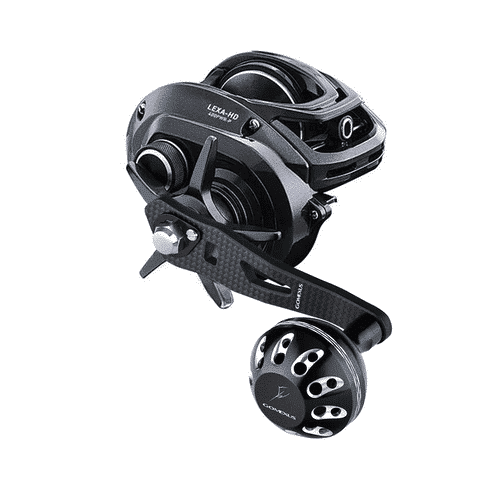
Compared to other stock handles, this single baitcasting reel is longer. This makes it ideal for capturing big fish. It also offers a comfortable grip with its ergonomic round knob. With this, you get more power with less pain!
2. Double baitcasting reel
The Gomexus double baitcasting reel is one of its kind. The knob is ergonomically shaped to provide users more grip when reeling in big fish. The flat knobs also prevent slip that you might experience with rounder knobs.
In addition to that, installing this reel is quite easy. It will take you less than 2 minutes to get rid of the old handle and install the new one.
How to Cast with a Baitcasting Low Profile Reel?
Using a low-profile baitcasting reel can be difficult if you don’t know what you’re doing. Thus, it’s important that you know how to properly cast it first before you choose to buy one.
Step 1: Reel the Line In
First, reel in the line until your lure or bait is around 15-30 cm (6-12 inches) from the tip of your fishing rod.
However, if you’ve got a bobber or sinker added to the line, it needs to be 6-12 inches from the tip of your rod instead.
Step 2: Properly Grip The Reel
Hold the fishing rod behind the reel and make sure your thumb is laying over the spool. Keep in mind that manufacturers designed baitcasting rods almost similar to spincasting rods.
This means that you will utilize the hand that you use to cast for the hand that you’ll use to retrieve. Thus, you will have to switch hands whenever you cast if you want to hold the fishing rod behind the reel whenever you retrieve it.
Step 3: Point The Reel Handles Up by Turning The Rod
Similar to a spincasting gear, doing this will allow you to utilize your wrist whenever you cast. However, the handle for Daiwa baitcasting reel should point down if you cast using your other hand.
Step 4: Press the Release Button of the Reel Spool
Since the ‘70s, Shimano Baitcasting reels have a mechanism to release the reel spool from the handles. The purpose of this is to prevent the spool from turning when you cast. This enables longer casts.
Nowadays, almost every model features a release bar that you can find behind the spool. You can use your thumb to press this release bar whenever you lay it on the reel spool.
Step 5: Twist Your Casting Arm
If you want the curve of your arm to start approaching the correct angle, you’ve got to bend your casting arm at the elbow.
Whenever you do this, try to elevate the fishing rod until the tip goes a bit past vertical. This would provide you with the proper positioning to send out the line.
Step 6: Swing the Rod Forward
When sweeping the rod forward, you should stop moving when it reaches eye level. This is around the 10 o’clock position or around 30 degrees above horizontal.
When doing this, remove your thumb from the reel spool. Allow the weight of your lure or bait to pull off the line as you propel it toward your target.
Step 7: Use Your Thumb to Press Down the Reel Spool
Whenever your bait reaches the target, use your thumb to press down the reel spool. This will stop the line from pulling.
This method is almost the same as pressing down the button on a spincasting reel to break the line. However, if you don’t press down the reel spool as soon as possible, it will result in the spool keeping on turning after the bait hits the water.
This will lead to a “birds’ nest” or overrun. If this happens, you’ll have to straighten out the line using your gomexus power knob before you can get the lure back.
Benefits of Low-Profile Baitcast Reels
Of course, there are a couple of reasons why some fishermen prefer low-profile Daiwa Baitcasting reels over other forms of reels. Here are some of them:
- Low-profile baitcasting reels are a great choice for fishing in close quarters. The reason for this is that you don’t need a great casting distance. However, you should be able to cast very often.
Luckily, this is possible with a low-profile baitcasting reel since it’s comfortable. Thus, frequent casting isn’t a problem.
- They’re also excellent for trolling with smaller lures since they will not get tangled up behind the bigger vessel.
- They are also easy to store in your house or on your boat.
- They’re an excellent option for lighter fishing.
- They’re easy to use using a single hand if you are busy fishing on the other side of the boat.
Conclusion
If you’re planning to go on a fishing trip in the future, you might be wondering what’s the best baitcasting reel to use. Well, with the benefits mentioned above, it’s quite clear that a low-profile baitcasting reel is your best bet. So, what are you waiting for? Don’t hesitate to buy now.
If you don’t know how to use it, simply follow the steps above and you’re good to go. With a little bit of practice, you can master casting using a low-profile baitcasting reel.
-
 Loading More
Inshore fishing is incredibly fun, and going on a charter is a sure way to learn the basics. For someone looking on from the sidelines, fishing might appear to be a daunting hobby. With so many possibilities, it can seem intimidating for a complete beginner to find their way around.
The goal of this guide to inshore fishing is to walk you through one of the most accessible ways to start your angling adventure.What is inshore fishing?
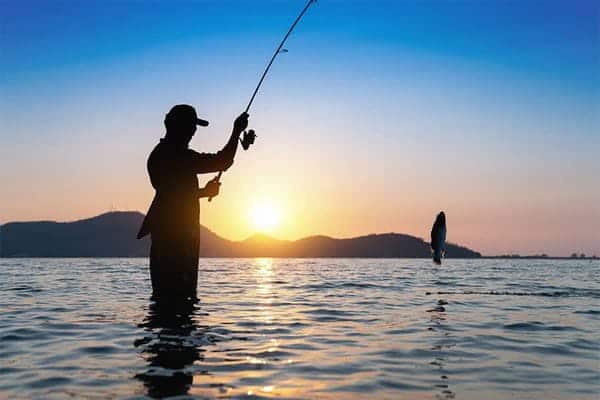
As a general rule of thumb, saltwater inshore fishing is defined as fishing in water that is less than 30 meters or roughly 100 feet deep. Most of your inshore fishing will take place in shallow water, and close to the shore. Although we need this distinction because, at different depths, you will catch different types of fish.
Inshore saltwater fishing trips are a fun and educational way for everyone in the family to spend time together outdoors. Protected bays and estuaries generally offer calmer waters with plenty of opportunities to catch a variety of saltwater species such as spotted seatrout, crevalle jack, flounder, redfish, sheepshead, and Spanish mackerel. It can be such an exciting experience because you never know what might be tugging at the end of your line while fishing in just a few feet of water.6 Types of Inshore Fish Species
While inshore fish species aren’t as big or flashy as the coveted Marlin or the Tunas of the deep blue, there’s a lot of variety here that keeps anglers coming back for more day in and day out. From hard fighters keeping you on your toes to delicious bottom fish, you’ll be spoiled for choice. Here are some of our top picks for inshore fishing:
1. Redfish
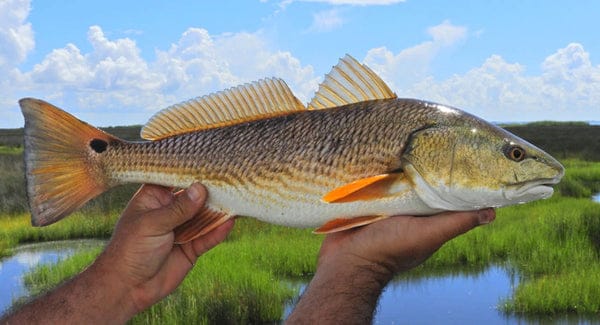
Redfish have a recognizable black dot on their tail, which can often be seen above the surface as the fish feeds on the bottom of shallow waters. These fish tend to feed off the bottom, searching for crabs and shrimp, but they also pursue baitfish. This diversity in their diet makes them highly susceptible to both live bait and a wide range of artificial lures.2. Snook
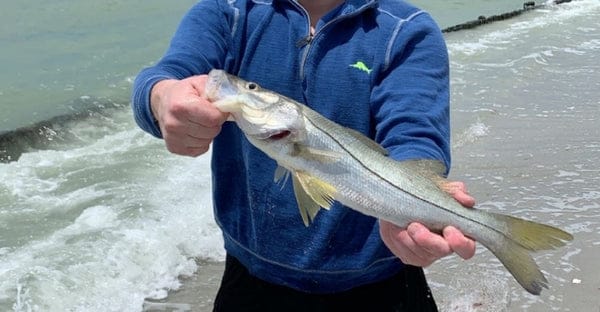
This fish is athletic and strong, yet they remain a discerning inshore fish species that requires patience and practice to catch. With a sleek black line running down their side, they are also one of the most visually distinct fish you can catch. They are wary, but they like to hang near natural and man-made structure, so finding them is fairly simple. Catching them, however, requires patient live-baiting, trolling, or casting.
3. Tarpon

Tarpon are quite possibly the strongest and most-exciting inshore fish species. These massive, ancient fish are aggressive and powerful. While hooking one is relatively easy, actually reeling it in can be a challenge. This is largely due to the species’ leaps, which are incredibly acrobatic for a fish of this size.
4. Bonefish
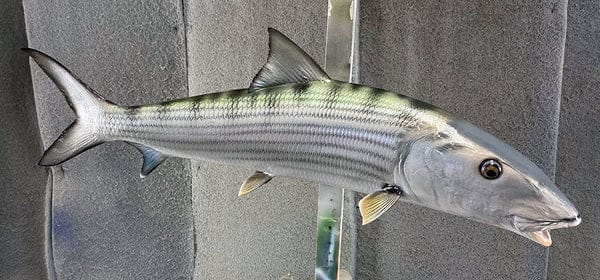
Requiring subtlety and stealth, the bonefish is a wary species that can easily be startled away. To catch one of these elusive animals, you need the patience and quiet approach of a hunter. Anglers pursuing these fish often use fly rods. To get into the right location many wade or use poles to move the boat quietly.
5. Striped Bass
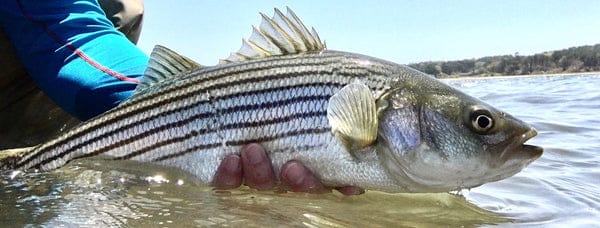
Also known as stripers and rockfish, striped bass are common in the New England coasts but can also be caught further south, all the way around Florida and into the waters off Louisiana. Stripers are aggressive, hard-fighting fish that respond to a wide range of artificial lures, including spoons, topwater poppers, swim baits, and even flies.
6. Barracuda
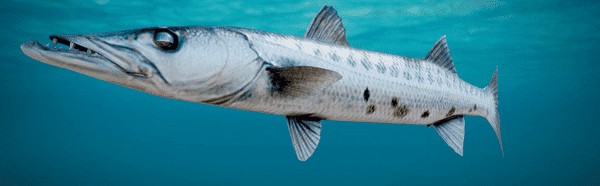
Hunting with short burst of incredible speed, the sharp-toothed barracuda is an absolute thrill. They tend to strike at fast-moving artificial lures, and while they are thin and long, they can reach sizes of 80 pounds or more. When the bite is on, barracuda allow you to catch one of the best predators in the water, as well as a top inshore fishing species.------------------------------------
One of the advantages of inshore fishing is that you can reach the fishing grounds from the shore as well! There are several different ways to do it too, like wading in grassy flats, fishing from piers and bridges, or simply casting from the beach. The best one for you really depends on where you’ll be fishing, so make sure to do your homework ahead of time.
Here is 10 tips of Inshore Fishing for Beginners.
1. Keep It Legal
Make sure that you have a valid saltwater fishing license for your state. The first step to any kind of fishing is to get a license. You can buy or renew your saltwater fishing license either online or by phone, which makes the process super easy and convenient.
2. Check A Local Tide Chart
Check a local tide chart when planning your inshore saltwater fishing trip. One of the most important inshore fishing tips is to plan your trips based on tidal movement. Mangroves and oyster bars can be good spots to fish on an incoming tide, whereas channels and passes can be productive spots as the tide goes out. To make it simple, remember that the baitfish will generally follow the tide, and the game fish will follow the baitfish.
3. Bring Along Your Polarized Sunglasses
Polarized sunglasses will not only protect your eyes from the sun, but will help you spot fish beneath the surface. These types of sunglasses are made using a special lens technology that cuts through the glare on the surface of the water.
4. Inshore Fishing Rods
Of course, if you want to go fishing, you are going to need a rod. There are plenty of inshore fishing rods on the market and many of them can cost you hundreds of dollars, but a basic rod will do the trick just fine.
I recommend a 6–7′ medium heavy rod. This is going to be the most versatile rod that you can have as a beginner. A light rod would work great if you plan to stay close to shore and catch smaller fish, but as you get farther out and start catching fish over 10 lbs, you will appreciate a medium-light rod.5. Inshore Fishing Reels
The next most important part is going to be your reel. As for the type of reel, I suggest a spinning reel. Just like the rods, there are about a thousand to choose from and they can get super expensive. Again, as a beginner, I do not think you need to break the bank on a reel. Gomexus Reel EX300 is a good choice. For inshore fishing, a 4000 size reel will be the most versatile. It is small enough to allow you to catch smaller fish like trout or redfish, without being overpowering. It also has enough drag and line capacity to handle some bigger redfish and snook.
6. The Right Line
As for the line, you want to have something that is going to stay sturdy while pulling in big fish but is not too big for the little guys. 20 lbs test braid fits this bill perfectly. Now your reel will tell you what the manufacturer recommends as far as the test goes, but I would definitely go with a braid over monofilament.
7. Use Live or Natural Baits
Natural baits, such as shrimp or baitfish, offer you the best opportunity for consistent action. Natural baits can easily be rigged on a circle hook underneath a popping cork. As a general guideline, you should match your hook size to the size of the bait that you plan to use.
Treat your live bait right. Make sure you keep your live bait in a covered bait bucket or in a livewell out of any direct sunlight. If you don't have a livewell with an aerator pump, invest in a bait bucket aerator that will maintain sufficient oxygen levels and keep your baits lively.When it comes to live bait, live shrimp are king. They work super well and you can catch just about anything on them. What I like to do is use 2/0 or 3/0 circle hooks, this is the perfect size to not weigh your shrimp down too much so he can still move around, and these hooks are still big enough to catch bigger fish.
8. Consider fishing from a public pier to start
Public piers are great places to gain experience with inshore saltwater fishing gear, rigging baits, and landing fish. This is particularly the case when on fishing outings as a family because kids can easily take breaks when needed.
Or You can go into your local bait shops and talk to the guys in there, but they are not going to give you their best spots. They may help guide you in the right direction or give you an area to try. Just let them know that you are new and are trying to find a place to start fishing and want to know what their suggestion is.
You can also take to the internet to find a good place to fish. Facebook groups could be one place to look.9. Keep your eyes on the water
Look for baitfish jumping on the surface or any change in water color that might indicate a depth change or drop-off. These are two signs that game fish are likely to be nearby. If you have the kids along, ask them to help you look for signs of baitfish or fish habitat -- it's a great way to keep kids engaged in between bites.
10. Catch and Release the Right Way
Pinch the barb on your hook flat so it’s easily removed. You should also start by using the right hook. Circle hooks are the ideal choice for catch and release fishing.
Bring the fish to the boat as quickly as possible to avoid extreme exhaustion. Don’t use ultra-light gear for catch and release.
If you plan to keep a fish or two for the table, let the hook-up decide what you kill. If a trophy size fish is hooked in the lip for an easy release – let it go. If you catch a smaller fish that is bleeding – keep it.------------------------------------
If you want to have a plain good time with friends and family, inshore fishing is a perfect way. The goal of this guide to inshore fishing is to walk you through one of the most accessible ways to start your angling adventure. Hope you will eventually find a few good spots to reliably catch your favorite kind of fish.
-
 Loading More
How to Fish for Crappie: The Ultimate Guide
Crappie is a popular game fish, and for good reason – they're delicious! If you're looking to catch some crappie, then this is the guide for you. In this post, we will teach you everything you need to know about fishing for crappie and get you catching more fish. I'll cover everything from where to find them to the best baits and lures to use and most importantly…. How to cook them!
I've been fishing fresh and saltwater for over 40 years in more states than I can remember. I've learned from fellow fishermen and from experience. This allows me to pass on fishing expertise to my kids and anyone else who wants to listen. So whether you're a beginner or an experienced angler, this guide has something for you!
What Type of Fish is a Crappie?
Crappie is a type of fish that is related to sunfish. They are a popular game fish, and they are found in many parts of the world. Crappie can be either black or white, and they range in size from about six inches to twelve inches long.
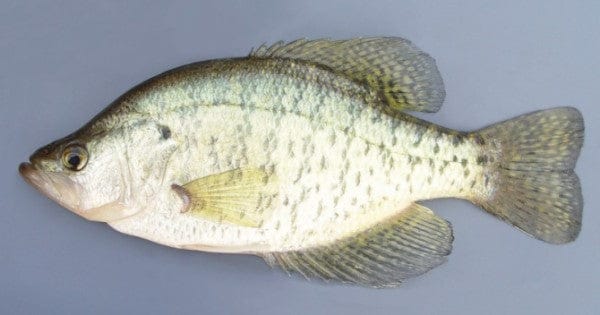
*White Crappie - Image Courtesy of Ct.Gov
What is the Best Place to Fish for Crappie?
Crappie can be found in many different types of water, including lakes, ponds, rivers, and creeks. They prefer areas with plenty of cover, such as submerged logs or weeds. When fishing for crappie, the best place to start is by finding them in their natural habitat. Since Crappie like to hang out around cover – things like fallen trees, brush piles, and sunken boats are great places to look. They will also congregate near structures like piers and bridges.
You don't need a boat to fish for crappie. In fact, you can catch them from the bank in many cases. If you're fishing a river or creek, try to find a spot where there is some cover nearby. When fishing lakes and ponds, look for areas near the dam or in the coves.
If you do have access to a boat, take me with you. I'm good company and I promise to cook and clean the fish. Once you've found a good spot, it's time to get your line in the water. If they start biting, you're in luck because typically if you catch one there are a lot more to reel in.
What are the Regulations for Catching Crappie?
Most states require anglers over the age of 16 to purchase a fishing license. The fish and game rangers don't play around and the fine for fishing without a license far exceeds the cost of a license. In addition, some of the funds used to purchase a fishing license go into protecting lakes and rivers and providing a better fishing experience.
Many states also limit the amount of crappie you can catch. For example, the Texas Park and Wildlife states, anglers are only allowed to keep crappie 10” or longer and have a limit of 25 per day. Make sure you check your state’s regulations before you start reeling them in. You could be fined for every fish over the state limit and that is going to be one expensive dinner.
Another thing to keep in mind is the size of the crappie you keep. State regulations and contaminants are both critical factors in determining if you can keep crappie for consumption or not. The science supports that the bigger the fish, the greater the amount of mercury and other toxins it will possess. The sweet spot for crappie is between 10”-12”. Who’s hungry? Stay tuned, I'll cover the best way of eating some tasty crappie later.
What do I Need to Catch Crappie?
Fishing for crappie is a relatively easy process, and you don't need a lot of gear to get started. All you really need is a rod and reel, some bait or lures, patience, and don’t forget a fishing license (if you're in the United States).
There are many different types of rods and reels that can be used for crappie fishing so you don't need to go out and spend a fortune. Consider how often you will be fishing and if you will be fishing with kids when purchasing your fishing gear.
A baitcasting reel is a good option for beginners, as they are easy to use and provide more control than other types of reels. As for bait, most anglers use live bait such as minnows or worms. However, artificial lures can also be effective.
You can use a variety of baits and lures when fishing for crappie, but some work better than others. When it comes to choosing the right lure or bait, there is no perfect bait for crappie. Fish are finicky that way. Sometimes they will swim right by one bait and devour another. Don’t be afraid to mix up the bait or lure you are using. Be sure you are giving each one a fair chance. Some good options include minnows, jigs, tubes, and crankbaits.
The temperature of the water, time of day, and weather conditions can also affect how well they bite. Warmer water temperatures and overcast skies are typically the best conditions for catching crappie.
How do I Catch Crappie?
When you're casting your bait or lure, try to get it as close to the cover or structure as possible. This will increase your chances of getting a bite. Be patient and keep casting until you get a strike. When you do, set the hook and start reeling in your catch! Setting the hook involves quickly pulling the rod up and towards you. This will cause the hook to embed in the fish's mouth, ensuring a good fight.
The best fishing equipment to use for catching crappie is a light-action rod and reel with a six-pound test line. This will allow you to feel the fish bite and make it easier to land them.
The best crappie rigs are drop-shot rigs and Texas rigs. A drop-shot rig involves suspending the bait below a weight, while a Texas rig uses a weighted hook that is inserted into the bait.
Can you Eat Crappie?
Well, this isn't an easy yes or no question. Sadly, many lakes and rivers have been polluted by things like mercury, PCBs, and other toxins. State regulations will tell you if the fish are safe to eat or if there is a recommended limit on consumption. So, before you go out and catch yourself a dinner of crappie, make sure to do your research on the body of water you'll be fishing in. In general, it's safe to eat crappie as long as they are cooked properly. They can be fried, baked, or grilled.
Of course, you can always catch and release if you're not sure about the body of water. Better to be safe than sorry. In addition to tasting great, they are also a blast to reel in. They aren’t a huge species of fish but wow do they fight like one.
To filet crappie, first, make a cut down the middle of the belly. This will allow you to remove the guts and innards. Next, use a sharp knife to slice along each side of the backbone. Finally, run your knife along the skin on the bottom of the fish and it will come off easily. Voila! You're ready to cook up and have I got the recipe for you. Filleting a crappie is an art. An art you can quickly master with a sharp knife and a little practice.
Cooking Crappie!
Now that you got your fish filets and you’ve worked up an appetite from all the monster crappie you reeled in, it’s time to eat! All you really need is some fire, cast iron, a little butter, and some seasoning. Get your skillet nice and hot. Throw some butter in and then set your seasoned filets into the skillet. Cook for 3-4 minutes and flip to the other side for an additional couple of minutes. You can stay simple like I do or get elaborate and try sauteed crappie in butter sauce.
So, now you know how to catch, clean, cook, and eat crappie. Get out there and start your next fishing adventure by catching some of these delicious fish! Good luck!